These records are found in the online catalog of The Mariners’ Museum and Park in Newport News, Virginia. Uncurated search results are presented to give researchers and interested readers an idea of whether the museum’s archives contain information about this vessel and whether it may be worthwhile to visit the museum’s catalog search page for further investigation. Uncurated results may be inaccurate or incomplete.
Mariners Museum online catalog search, July 12, 2026. Search phrase: "Venus". Catalog returned 77 records; this selection table includes 77 records fetched through catalog result pages.
Use these buttons to send uncurated search results to your own app or text document for further research. First, check the box for any row, or click "Select All" then uncheck any rows. Then click "Show Selections". You can then copy your selections from the text box and past them into your app.
Mexico–Description and travel.; Baja California (Mexico : Peninsula)–Description and travel.; Saint Pierre and Miquelon; Salé (Morocco)
Natural history–Mexico; Cod fisheries.; Clocks and watches; Venus (Planet)–Transit–1769.
Last page incorrectly numbered 315. "Extract of a letter from Mexico addressed to the Royal Academy of Sciences at Paris, by Don Joseph Anthony de Alzate y Ramyrez ... relative to the natural history of the country adjacent to the city of Mexico" : p. 77-105. Apparently a translation of two works published by Cassini: "Voyage en Californie pourl'observation du passage de Vénus sur le disque du soleil, le 3 juin 1769 ... par feu M. Chapped'Auteroche. Redigé et publiè par M. de Cassini fils. Paris, 1772", and "Voyage fair par odre duroi en 1768 et 1769 pour éprouver les montres marines inventées par M. LeRoy. Paris, 1770".
"Postant Amstelaedami apud Petrum Schenk, et Gerardum Valk. C. Priv."; "21" lower margin
40.5 cm. diameter sphere; Representation of Venus and Mercury. two smaller spherical charts in lower corners; center sphere colored; the rest of the space filled with black and white illustrations of cherubs
Training Boys for The Navy, 1878, Aboard the US Training Ship Minnesota
Illustration showing different training exercises including Captains portrait in the upper left hand corner, Captain S.B. Luce, Venus, Adonis and Cupid, A Waltz among the Guns, Learning to make your own clothes, The Doctors Peculiar Make Up, Sparring Class, The Ancient Armorer, EXamination for Admission, Single Stick Exercise, Old cut from Harpers Weekly, April 27, 1878
A lecture delivered to the Royal Society on 3 June, 1969 on the occasion of the celebration of the observation of the transit of Venus by Captain James Cook, R.N., F.R.S.) Reprinted from the Royal Society of London, proceedings, 1969. Cover title.
SHORT DESCRIPTION: Half length portrait of Louis Boisot, engraved by Cornelis Visscher (1629 -1658), printed in Haarlem in 1649. Louis Boisot was commander of the Sea Beggar Fleet during the siege of Leiden. This portrait is the fourth in a series of four engraved by Cornelis Visscher (1628 - 1658) and published Pieter Soutman commemorating key figures in the siege story. NOTES: Translation of text below engraving: He directs his provocative gaze on a distinguished maiden, If, in fact, a soldier possesses a provocative gaze. Once he was your enemy, O most celebrated Leiden, Whom, in diminished form, returns to you as a painted panel. You have conquered all: perserverance defeated the Iberian. But if he could have overcome these challenges, Amor (love) might be able to vanquish him. It is believed that the Cytherean (Venus) sent her doves to this place As you might know, so friendly is Venus to Mars.
SHORT DESCRIPTION: A silver AR Denarius. L. Mussidius Longus. Image of diademed and veiled bust of Concordia facing right with a crescent below chin. On the reverse is a shrine of Venus Cloacina inscribed CLOACIN on which there are two statues of the goddess. NOTES: See QK 87 - Chambers letter of 11/4/37. LABEL COPY: Silver Musida Babalon QK 88
TILBURY - ENGLAND - Related Place; 96 STRAND - LONDON - ENGLAND - Publisher
SHORT DESCRIPTION: The print shows Tilbury Fort along the River Thames. The river is full of ships, from small row boats to large three masted sailing ships. Just left of the center is a side paddlewheel steamship with the name VENUS on the wheelhouse. Each of the ships is full of people. In the background on the shore is Tilbury Fort and the famous Water Gate. NOTES: The print is from “Picturesque Tour of the River Thames,” published by Rudolph Ackermann in 1828. NOTES: Tilbury Fort began as a Tudor blockhouse between 1539 and 1540. In 1670 construction began on a new, stronger fort, which was completed in 1685. The Water Gate was built during this time to allow entrance to the fort from the river side. VESSEL INFORMATION- VESSEL NAME: VENUS VESSEL TYPE: Paddle Steamer SHIPBUILDER: Wood & Barclay SHIPBUILDER LOCATION: Port Glasgow, Scotland ENGINE BUILDER: David Napier, Glasgow VESSEL HISTORY: The ship was launched in 1827 but sank on March 18, 1828 off Courtoun Harbor after something in the engine broke and pierced the hull. She had been sailing from Waterford to Dublin under Captain Brown. Newspapers reported that her masts were still above water and she might be saved but that does not appear to have happened. Later reports described financial awards given to people who did not plunder the ship.
The planisphere of Copernicus, or the system of the entire created universe according to the hypothesis of Copernicus exhibited in a planar view. Hand colored celestial chart with the sun radiating a sunburst. Earth is shown in a polar perspective, just above the sun. The other named planets include Mercury, Venus, Mars, Jupiter and Saturn. In a ring outside of the central image are representations of the signs of the Zodiac. In the top right and left corners are elaborate cartouches with the title elements and black and white representations of astronomers' tools. In the bottom corners are black and white figures of astronomers and some of their tools.
Pilot guides–Indian Ocean.; Navigation–Early works to 1800.
"Cartes ... dressee au Depot des cartes et plans de la marine d'apres les observations faites en 1787 sur la frigate la Venus / par le Vice-admiral Rosili. A letter dated 1811 and signed by Rosili pasted on the fly-leaf. Cover title.
LONDON - ENGLAND - Publisher; MATAVAI BAY - TAHITI - FRENCH POLYNESIA - Related Place
SHORT DESCRIPTION: Aquatint highlighted with watercolor showing Captain Cook with Tahitians on the beach, Tahitian dwellings, canoes and Cook's ships, the Resolution and Discovery. There is an illegilble mark in the lower right corner that may be: Jno Cleveley/delt NOTES: The title is a misnomer for Matavai Bay, Tahiti. Cleveley's famous set of four views first advertised in a 'Prospectus', issued on 5 June 1788: 'This Day are published, (dedicated to His Majesty) Four Prints, from capital and beautiful views, in water-colours, executed by the late celebrated Mr. John Clevely, From accurate Drawings made by his Brother Mr. James Clevely of the Resolution Ship of War, at the several Places they represent, viz. The Islands of Huaheine, Owhyhee, Morea, and Charlotte Sound, in New Zealand [sic], in the South Seas. ... Published and sold, by Mr. Martyn, at his Academy, No. 16, Great Marlborough-Street; (where the original Drawings of the above Views may be seen;) and at Alderman Boydell's, Cheapside. - London, June 5, 1788'. A further 'Prospectus' of c.1797 announced 'The original drawings of these several places were taken on the spot by Mr. James Clevely of the Resolution ship of war and afterwards re-drawn, and inimitably painted in water-colours by his brother, the late celebrated artist, Mr John Clevely, and from which the plates were engraved, in the best manner, by Mr. Jukes.' The Museum holds three of the four prints (LP 389, 390, 391) [From http://www.christies.com/lotfinder/drawings-watercolors/john-cleveley-views-in-the-south-seabr-4347865-details.aspx?intObjectID=4347865] MATAVAI BAY, TAHITI Cook visited Tahiti on his third voyage to return Omai home and to wood and water his ships before sailing north to search for a North west Passage. The Resolution and Discovery were at anchor in Matavai Bay from 24 August-30 September 1777. The bay was the most famous anchorage in the south seas, first visited by Wallis in the Dolphin in 1767, by Bougainville in 1768, and was Cook's favoured Tahitian base on this three voyages, as well as Captain Bligh's famous anchorage from October 1788 - April 1789 as the Bounty took on its cargo of breadfruit seedlings. Cook's secret instructions for his first voyage ordered that the Endeavour 'be fitted out in a proper manner for receiveing such Persons as the Royal Society should think fit to appoint to observe the Passage of the Planet Venus over the Disk of the Sun on the 3rd of June 1769, and for conveying them to such a Place to the Southward of the Equinoctial Line as should be judged proper for observing that Phaenomenon...and have desir'd that the observation be made at Port Royal Harbour [Matavai Bay] in King Georges Island [Tahiti] lately discover'd by Capt Wallis in His Majesty's Ship Dolphin' (The Instructions..., 30 July 1768). The Endeavour was at anchor in the bay from 13 April - 13 July 1769 and Fort Venus was erected on the black volcanic sands at the point of the Bay (Point Venus) as a protected site for the astronomers' observations. On Cook's second voyage the Resolution and Adventure anchored there twice, 26 - 31 August 1773 and 22 April - 14 May 1774. On the first, voyage drawings of the bay were made by Parkinson and on the second voyage, William Hodges produced numerous oil sketches and drawings of the bay, including views taken in the same direction as Cleveley's. There are no surviving views of the bay taken in this direction on the third voyage; Webber's few sketches look inland from Point Venus and Ellis's views are taken looking along the bay in the opposite direction from the Point. Cleveley's view presents an accurate depiction of the topography of the bay but excludes any sign of the observatory and tents on Point Venus in the background. The outrigger canoe in the foreground is typical of Tahitian canoes (va'a Motu) but the larger sailing canoe in the bay between Cook's ships is incorrect for the location, resembling a Tongan canoe (tongia), as depicted in Webber's views of Annamooka (Joppien and Smith 3.38-3.39A) and Ellis's views of Middleburgh (Joppien and Smith 3.65-3.73A). During the month's stay at Matavai Bay gifts for the young chief Tu from the King and Lord Bessborough were landed, the ships were caulked and the Discovery's main mast taken ashore and repaired, along with sails and water casks. Cook declined his support in the inter-island quarrel between the chiefs of Tahiti and Moorea, but attended a sacrifice to Oro, the god of war, at Oro's marae at Utuamahurua on the southern coast before sailing for Moorea at the end of September. Omai, whose airs and graces had not been well received at Tahiti, left with Cook, leading the ships across to Moorea in his canoe. The present watercolour is followed precisely in Jukes's aquatint which was incorrectly titled 'Charlotte Sound, in New Zealand' (1788 Prospectus), 'View of Charlotte Sound in New Zealand' on the plate and 'Charlotte Sound in New England' (c.1797 Prospectus).
BANFF - SCOTLAND - Related Place; 26 IVY LAND - LONDON - ENGLAND - Publisher
SHORT DESCRIPTION: The image shows a view of Banff in Aberdeenshire, Scotland. In the foreground there are several people with their sheep, all looking out from the town of Macduff across the River Deveron toward Banff. The Banff Bridge crosses the river, and beyond that is the Duff House. On the right in the background is the main town of Banff, with the harbor and many buildings. On the far left, above the shepherds is the Temple of Venus. NOTES: The image is from after page 8 of volume 2 of “The Ports, Harbours, Watering-Places, and Coast Scenery of Great Britain," published by George Virtue in 1842. (TMMP Library DA625 .F49 Rare) The book was first published in 1838 by Charles Tilt with descriptions by William Andrew Chatto. It was then published several times in 1839 and 1842 by George Virtue, and later after 1855 by Virtue & Co. under George’s son, James S. Virtue. The name also changed slightly, but kept the "Ports, Harbours, and Watering Places" part of the title. The books that the Virtues published kept Chatto’s descriptions for the first volume, but they expanded the book to two volumes. William Beattie wrote the text for the new second volume and an appendix added to the end of the volume 1. Before this book the print was first published in volume 2 of “Scotland Illustrated” at the end of the book. That book was published in 1838 by George Virtue and written by William Beattie. An excerpt from The Ports, Harbours, Watering-Places, and Picturesque Scenery of Great Britain about the print. “The ancient town of Banff consists of two distinct parts, the first of which, called the body of the town, lies partly on the lower extremity of the plain, skirting the river and partly on the declivity. The second portion, called the sea-town, stands on an elevated level which terminates abruptly within a short distance of the sea, by which it is bounded. When viewed from the low ground beyond the river, the sea-town appears to stand on a long elevated ridge, as seen in the engraving, and having the battery on its northern extremity. On a piece of table-land, projecting midway between the town proper and sea-town, and nearly opposite the mouth of the river, stands the Castle, a plain, modern edifice, but commanding an extensive and varied prospect of the sea, the town, the hill of Macduff, the sweep of the river, and the beautiful slope opposite, surmounted by the woods of Mount Coffer.” NOTES: Duff House was built in 1740 by architect William Adam for the owner, William Duff. The Banff Bridge was built between 1772 and 1779, designed with seven arches by John Smeaton. It was widened in 1881, decades after Bartlett visited and drew this image. The Temple of Venus in Macduff was also built by William Adam in 1737, and used to include a statue of Venus until 1906. NOTES: From the end of the 1842 edition of Volume 2: “In taking leave of these two Volumes, illustrating the Ports, Harbours, Watering-places, and Coast Scenery of Great Britain, a few words of explanation appear necessary. The work was originally commenced by Messrs. Finden [William and Edward], and for some time carried on with all the taste and spirit characteristic of these distinguished Artists. But the remuneration accruing from the sale being found inadequate to defray the expenses incurred in its production, it was offered to the present Publisher, who readily saw the improvements of which it was susceptible and became the purchaser. Arrangements were then made for its continuation. Mr. BARTLETT, whose illustrations are so familiarly and favourably known to the Public, set out on a tour of observation along the northern coasts of England and Scotland; and, after visiting every locality indicated, returned with a portfolio of drawings taken on the spot. These were immediately placed in the hands of eminent engravers; a re-issue and continuation of the work were announced; and it is gratifying to state, that the reception which it has since met with from the Public has been most liberal. With regard to the letterpress descriptions, I beg it to be expressly understood that the labours of my pen have been confined to the Second Volume and the Appendix of Vol. 1. The First Volume was written under the signature W.A.C. - prior to my connexion with the work; and, in justice to that author, I feel it at once a duty and a pleasure to conclude the work with this statement. William Beattie, M.D.” January 1842 J. Rickerby, printer, Sherbourn Lane
Hydrography–Terres australes et antarctiques françaises–Saint Paul Island.
Cover title. At head of title: Institut de France. Academie des Sciences. Recueil de mémoires, rapports et documents relatifs a l'observation du passage de Vénus sur le soleil, extrait du tome II (Ire partie).
SHORT DESCRIPTION: Tellurion representing Sun, Earth, and Moon, geared to move in correct relationship. Mechanism of brass and steel with ivory earth and operating handle, paper dials. Pivots about central sun shaft mounted on circular wood base with paper dial showing month, day, zodiac calendar and seasons. House in finished wood case with hinged lid, lock. A second piece, the orrery, represents the Sun, six planets (Mercury, Venus, Earth, Mars, Jupiter, Saturn plus the moons of earth (1), Jupiter(4), and Saturn (5). Other planets and moons are ivory or bone including ring of Saturn. This orrery is not geared. Bodies may be set manually to correct relationships. It is held in a mahogany case with hinged lid and hook. NOTES: Hand orrery, invented, made and sold by William JONES of Holborn, London. With various parts in their original wooden box. This item comes with two separate attachments. One is for use as orrery, the other is for use as tellurian. All parts come come in wooden box, with parts for orrery use in smaller box inside case. It has not been established for certain whether or not the orrery pieces belong with the tellurian. Although they came together, the orrery pieces do not seem to fit correctly. Also, with the case will not close with all tellurian pieces in place and orrery box in the lid. It is possible that they were made separately by two different people, and the previous owner kept them together. REMARKS: Daniel Richetson was the author of a history of New Bedford, Massachusetts and previous owner of this item. TIME-SPACE: 1780-1820. ADDITIONAL INFORMATION: SEE HENRY C. KING, GEARED TO THE STARS, PP.150-167 & COLLECTION FILE. See Catalogue of Optical, Mathematical and Philosophical Instruments Made and Sold by W. and S. Jones (QC814.L8 C in TMM library) INVENTORY: Orrery attachments and case - there is two (2) component parts.
CHEAPSIDE - LONDON - ENGLAND - Engraver/Publisher; CLEVELAND-ROW, ST. JAMES'S - LONDON - ENGLAND - Printer; ITALY - Related Place
NOTES: From: 'Liber Veritatis; or a Collection of Prints, after the original designed of Claude Le Lorrain; in the Collection of His Grace the Duke of Devonshire. Executed by Richard Earlom, in the manner and tast of drawings, to which is added a descriptive catalogue of each print; together with the names of those for whom, and the places for which, the original pictures were first painted...' volume the second. This is image 122 in the second volume. The title is given as 'The Landing of Æneas on the Latium coast. A View of the Sea Port at Sunrise.' with the note "This splendid picture is styled the Allegorical Morning of the Roman Empire." Aeneas, hero of Troy, son of Anchises and Aphrodite (Venus) arrives in Italy where he is destined to become the founder of Rome. NOTES: There is one print and one proof print. The Proof print has No. 122 written on it. The proof was deaccessioned.
WRITTEN ON RECTO: THE US STEAMER KEARSARGE, SINKING THE REBEL CRUISER ALABAMA OFF CHERBOURG, JUNE 189TH, 1864. FROM A SKETCH TAKEN ON THE SPOT. WRITTEN ON VERSO:PRESENTED TO THE MUSEUM BY SIDNEY CORNELL, JANUARY 29,19\36. DURING THE CIVIL WAR RAPHAEL SEMMES COMMANDED THE CONFEDERATE SHIP ALABAMA,WHICH HAD CAPTURED MANYA A USIA MERCHANT SHIP. SHE ENGAGED IN BATTLE OFF. THE COST OF FRANCE WITH THE KEARSARGE. JUNE 19, 1864 AND WAS SUNK.
sloop (sailing vessel)
The Sloop of War, KEARSARGE. The first KEARSARGE was launched on 11 September 1861 by the Portsmouth Navy Yard, Portsmouth, NH; sponsored by Mrs. Henry McFarland, wife of the editor of the Concord Statesmen, and commissioned 24 January 1862 with Captain Charles W. Pickering in command. The Sloop of War KEARSARGE departed Portsmouth 5 February 1862 for the coast of Spain to join in the blockade of Confederate raiders. Captain John A. Winslow, took command of the KEARSARGE on April 8, 1863, while she remained in European waters searching for raiders. Arriving in Cherbourg, France on 14 June 1864, she found the Confederate Ship ALABAMA in port. On June 19, ALABAMA stood out of Cherbourg Harbor for her last action. Careful of French neutrality, KEARSARGE'S new commanding officer, Captain Winslow, took the sloop of war well clear of territorial waters, then turned to meet the Confederate cruiser. ALABAMA fired first but the battle quickly turned against her and within an hour the ALABAMA had been reduced to a sinking wreck and her Captain Raphael Semmes struck his colors and surrendered. KEARSARGE rescued the majority of the ALABAMA's survivors; but Captain Semmes and 41 others were picked up by a British yacht. Captain Winslow was promoted to Commodore and the New York Chamber of Commerce honored him, the KEARSARGE, and her crew, mainly men from New Hampshire, for their victory. The KEARSARGE returned to sea and the coast of Spain in April 1865 in search of Confederate ships. After cruising the Mediterranean and the English Channel south to Liberia, the KEARSARGE returned to the Boston Navy Yard in August 1866. In January 1868 KEARSARGE sailed to serve in the South Pacific and along the coast of South America to protect American interests for the next four years. She later performed similar duties in the Asiatic waters of Japan, China and the Philippines. During this time she carried Professor Hall's scientific party from Nagasaki, Japan, to Vladivostok, Russia, to observe the transit of Venus. The last assignment for the KEARSARGE was protecting American interests in the West Indies, off Venezuela and along the Central Americas. On February 2, 1894, on Roncador Reef off the coast of Nicaragua, the KEARSARGE was wrecked. Having attained the rank of Rear Admiral, Winslow's years of service continued long after the famous sea battle. He died in Boston on September 29, 1873
PARIS - FRANCE - Printer; PAPEETE - TAHITI - FRENCH POLYNESIA - Related Place
SHORT DESCRIPTION: Sepia toned lithograph titled " Rade & Port de Pape-Iti, Arrivee au mouillage du C. Amiral Dupetit-Thouars." Artist and lithographer Louis Le Breton. Printed by Lemercier & Cie. The image shows the arrival of Rear Admiral Du Petit-Thouars in the harbor of Pape'ete, on Tahiti on September 9th 1842. Below the image are the names of the vessels in the harbor: Danaé; Uranie; Reine Blanche (Dupetit Thouars's vessel); Dublin; Boussole; and the whaler Elisabeth. Also identified are the 'Tombeau de Pomaré II' (the tomb Tū Tū-nui-ʻēʻa-i-te-atua Pōmare II (1803–1815)), and the locations of the buildings housing the protectorate and the British Consulate identified by flags. Some slight hand-coloring has been applied to the flags. The ship Boussole is firing a salute. The British ship Dublin appears to have laundry or hammocks hanging in the rigging. NOTES: The Rear Admiral imposed a French protectorate over Tahiti and the Marquesas. The official annexation by France would take place November 6th 1843. Abel Aubert du Petit-Thouars (3 August 1793 – 16 March 1864) was a French naval officer important in France's annexation of French Polynesia. He became "Capitaine de vaisseau" on 6 January 1834, and accomplished a circumnavigation between 1836 and 1839 on the frigate Vénus. Also on board were the hydrographer Urbain Dortet of Tessan, the doctor-naturalist Adolphe Simon Neboux, and the surgeon Charles René Augustin Léclancher. During this voyage the Marquesas were explored. He published an account in 1840 with the title Voyage around the world on the frigate Venus during the years 1836-1839 (French: Voyage autour du monde sur la frégate "la Vénus" pendant les anné 1836-1839); the book contained maps of the ports visited. NOTES: Louis Le Breton served from 1837 – 1840 on the ship ASTROLABE with the famous French explorer Jules Sébastien César Dumont d'Urville. Le Breton was originally the surgeon’s aide on the ship, but he became the voyage’s artist after the death of the ASTROLABE’S official artist. After his service with Dumont d’Urville, Le Breton focused his art on depictions of ships. NOTES: There are at least two variants of this image, one with the plate number "28" above the title and with the imprint line below the title in the lower-left and one without. This image does not have the "28".
Astronomy explained upon Sir Isaac Newton's Principles, - and made easy to those who havenot studied mathematics. - To which are added, a plain method of finding the distances of all theplanets from the sun ... An account of Mr. Horrox's observation of the transit of Venus in the year1639: and, of the distances of all the planets from the sun, as deduced from observations of thetransit in the year 1761. By James Ferguson
Harbors–Virginia–Pictorial works.; Marine terminals–Virginia–Norfolk–Photographs.; Piers–Virginia–Norfolk–Photographs.; Work boats–Virginia–Norfolk–Photographs.; Barges.; Tugboats.
A collection of 37 photographs depicting dock scenes and rail road car barges and tug boats in Norfolk harbor circa 1920. 5 Photographs by Norfolk photographer William Freeman depicting shipping fruit and vegetables from West Side N.Y.P & N.R.R. Pier Port Norfolk, Va. A collection of 22 photographs by William Rau of the Norfolk Terminals, Railroad tugboats Cape Charles, Crisfield, Delmar, Philadelphia, Parsley, Pocomoke, Norfolk, ,Portsmouth, Pennsylvania, Salisbury, and Harrisburg, PRR Barge No.153, railroad car barge No.4, Exmore Train Station, Exmore, Virginia, and the C& P.R.R. Locomotive #25.
CHRISTCHURCH - NEW ZEALAND - Manufacturer; WAWA - PENNSYLVANIA - UNITED STATES - Manufacturer; LONDON - ENGLAND - Printer
SHORT DESCRIPTION: Philatelic Numismatic Cover (PNC) containing a nickel-silver proof medallion commemorating the 200th anniversary of Captain James Cook's exploration of New Zealand. The medallion and decorations on the cover were designed by James Berry. In the upper left corner is the New Zealand Registered Stamp "R No. 25 Christchurch (CH)" which seals the envelope. Below this is the James Cook Bicentenary commemorative proof medallion struck by the Franklin Mint. The medallion is surrounded by a ship's wheel with eight spokes. To the right of the wheel is a partial map showing the New Zealand coastline along Poverty Bay, East Cape, Gisborne and Young Nick's Head and the latitude (38°30 S) and longitude 178° E). At the right are two New Zealand Cook Bicentenary commemorative stamps. In the top right corner is a 4¢ stamp with is dark blue with a light blue inset with an image of an octant and the planet Venus next to a right-facing profile of Lt. James Cook. Below this at the center right is an 18¢ stamp, brown in color with an image of a plant (New Zealand gloxinia) and a right-facing profile of Dr. Daniel Solander F.R.S., a botanist that accompanied Cook's voyage. Over both stamps is a cancellation that states "Cook Bicentenary Stamps, First Day of Issue, 9 Oct 1969, Christchurch NZ". In the lower right corner is the Nuphil address, "NUPHIL ASSOCIATES LTD., P.O. BOX 7053, CHRISTCHURCH, NEW ZEALAND". The medallion shows a left facing profile of James Cook in naval uniform. The date "1769" is at the left and "1969" at the right side and "James Cook" is below. Above the 'S' in 'James' are the initials 'RB'. On the reverse in the upper left quadrant is a cancellation stamp for the post office at Sydenham with the date 9 Oct 1969. In the lower right quadrant is the reverse side of the medallion again surrounded by a ship's wheel with eight spokes. At the top of the medallion is the legend "H.M. BARK "ENDEAVOUR". Below the legend is an image of Endeavour sailing on the ocean. Within the ocean is a map of New Zealand encased in a decorative rope border with dolphins to either side. At the bottom is the "NEW ZEALAND". The crossed blue line represent a time when all New Zealand Registered Mail had to be wrapped and tied with a blue ribbon. NOTES: Text of flyer describing medallion: SPECIAL BICENTENARY MEDAL : JAMES COOK CAPTAIN JAMES COOK was one of the world’s most celebrated navigators. Leaving England in the Bark "Endeavor" in 1768, he rounded Cape Horn en route to Tahiti, taking a scientific expedition to observe the transit of the planet Venus. He then sailed for New Zealand, and he and his crew were the first Europeans to set foot in that country. This was on the east coast of the North Island on 9 October 1769, and the bicentenary celebrations are now continuing in the South Island. The visit of the Queen and the Duke of Edinburgh to Australia early this year will mark the 200th anniversary of Cook’s landing at Kurnell in Botany Bay, near Sydney. Captain Cook left his mark in North America also. His charting of the St. Lawrence river contributed much to the fall of Quebec and the winning of Canada for Britain, and for several years after this he was engaged in mapping America' north-east coast. On his third voyage to the Pacific, he explored the western coast line from Seattle to the northern tip of Alaska, seeking the North-west Passage to the Atlantic. He then sailed back to Hawaii which he had previously discovered and where, through a misunderstanding, he was killed by the natives who had revered him. Thus the Hawaiian half-dollar of 1928, the rarest of the commemoratives, was the only coin to bear an effigy of the great navigator until the New Zealand Cook Dollar of 1969. For display in their COIN-COVERS as a companion to the commemorative dollar and 50-cent coins of 1969, Nuphil Associates commissioned James Berry, who designed the coin reverses, to execute a special James Cook medal. This was struck in full proof Solid Nickel Silver by the Franklin Mint. 800 of these medals were used in the First Day COIN-COVERS but a limited number are available for sale separately. These may be obtained from the above address at $US5.00 each. The price includes registered postage by air mail." NOTES: Four New Zealand stamps commemorating the James Cook bincentary were designed by Miss E. Mayo, Christchurch, New Zealand. The were printed by Harrison and Sons Ltd. of London by photogravure. They were sold by the Philatelic Sales Section, Chief Post Offices, Auckland and Christchurch and the Philatelic Bureau in Wellington between January 7, 1970 and July 31, 1970. They were issued on October 9, 1969.
PALL MALL - LONDON - ENGLAND - Publisher; BOLT COURT, FLEET STREET - LONDON - ENGLAND - Printer; KNIDOS - TURKEY - Related Place
SHORT DESCRIPTION: Hand colored aquatint titled "Harbour of the Ancient Gnidus" From: “Views in The Ottoman Empire, Chiefly in Caramania, A Part of Asia Minor hitherto unexplored; with some curious selections from the islands of Rhodes and Cyprus, and the Celebrated cities of Corinth, Carthage, and Tripoli: From the original drawings in the possession of Sir R. Ainslie, taken during his Embassy to Constantinople by Luigi Mayer: with Historical Observations and Incidental Illustrations of the Manners and Customs of the Natives of the County.” London: Published by R. Bowyer, at the Historic Gallery, Pall Mall. T. Bensley, Printer, Bolt Court, Fleet Street, 1803. NOTES: Knidos or Cnidus was an ancient Greek city now in the southwest part of Turkey. It is located on the Datça peninsula. It was built partly on the mainland and partly on the island og Triopion or Cape Krio. NOTES: Text from “Views in The Ottoman Empire, Chiefly in Caramania, A Part of Asia Minor hitherto unexplored; with some curious selections from the islands of Rhodes and Cyprus, and the Celebrated cities of Corinth, Carthage, and Tripoli..." that describes the scene: At the south-west angle of Asia Minor is Cape Crio, formerly Triopium, near which was the town of Cnidus, celebrated for possessing the most beautiful of the works of Praxiteles, the statue of Venus. This statue, which was placed in a small open temple so as to be seen on all sides, was such an exquisite performance, that it along was though worthy of being mentioned, though the cnidians had likewise a Bacchus by Bryaxis, another by Scopa, and a Minerva by the same artist. The temples that contained all these are now confounded among the heaps of ruins, with which the ground is covered. Strabo informs us, that Cnidus had two harbours, one of which, capable of receiving twenty triremes, could be shut up. The remains of the wall that formed this inner port are still conspicuous, with the opening through which the ships were admitted, as appears in the view annexed. Now barks enter it, to load themselves with stone from the ruins, which the turks are continually breaking to pieces.
WAWA - PENNSYLVANIA - UNITED STATES - Manufacturer; CHRISTCHURCH - NEW ZEALAND - Related Place
SHORT DESCRIPTION: Nickel-silver proof medallion commemorating the 200th anniversary of Captain James Cook's exploration of New Zealand. The medallion was designed by James Berry and struck by the Franklin Mint. The medallion shows a left facing profile of Lieutenant James Cook in naval uniform. The date "1769" is at the left and "1969" at the right side and "James Cook" is below. Above the 'S' in 'James' are the initials 'RB'. On the reverse at the top of the medallion is the legend "H.M. BARK "ENDEAVOUR". Below the legend is an image of HMS Endeavour sailing on the ocean. Within the ocean is a map of New Zealand encased in a decorative rope border with dolphins to either side. At the bottom is the "NEW ZEALAND". The medallion is encased in royal blue cardboard sleeve sealed in plastic. At the top of the sleeve is the word 'BICENTENARY' and below the medallion are the words 'REDISCOVERY OF NEW ZEALAND OCTOBER 9, 1769.' NOTES: Text of flyer describing medallion: SPECIAL BICENTENARY MEDAL : JAMES COOK CAPTAIN JAMES COOK was one of the world’s most celebrated navigators. Leaving England in the Bark "Endeavor" in 1768, he rounded Cape Horn en route to Tahiti, taking a scientific expedition to observe the transit of the planet Venus. He then sailed for New Zealand, and he and his crew were the first Europeans to set foot in that country. This was on the east coast of the North Island on 9 October 1769, and the bicentenary celebrations are now continuing in the South Island. The visit of the Queen and the Duke of Edinburgh to Australia early this year will mark the 200th anniversary of Cook’s landing at Kurnell in Botany Bay, near Sydney. Captain Cook left his mark in North America also. His charting of the St. Lawrence river contributed much to the fall of Quebec and the winning of Canada for Britain, and for several years after this he was engaged in mapping America' north-east coast. On his third voyage to the Pacific, he explored the western coast line from Seattle to the northern tip of Alaska, seeking the North-west Passage to the Atlantic. He then sailed back to Hawaii which he had previously discovered and where, through a misunderstanding, he was killed by the natives who had revered him. Thus the Hawaiian half-dollar of 1928, the rarest of the commemoratives, was the only coin to bear an effigy of the great navigator until the New Zealand Cook Dollar of 1969.
VESSEL INFORMATION – VESSEL NAME: USS KEARSARGE VESSEL TYPE: SLOOP-OF-WAR SERVICE DATES: 1861-1894 BUILDER: Portsmouth Navy Yard BUILDER LOCATION: Portsmouth, New Hampshire BUILD DATE: Launched: September 11, 1861; Completed: January 18, 1862; Commissioned: January 24, 1862; VESSEL DIMENSIONS: 201'4" length x 33'10" breadth x 15'9" draft, 1,550 tons VESSEL HISTORY: DANFS history: Kearsarge departed Portsmouth February 5, 1862 for the coast of Spain; and then sailed to Gibraltar to join the blockade of Confederate raider Sumter, which forced her abandonment in December. Between November 1862 and March 1863 Kearsarge refit at Cadiz and then began searching for the Confederate commerce raider CSS Alabama. Kearsarge arrived at Cherbourg, France on June 14, 1864, and found Alabama in port. Kearsarge's new commanding officer, Captain John A. Winslow, patrolled at the harbor's entrance to await Semmes' next move. On June 19th, Alabama stood out of Cherbourg Harbor. Careful of French neutrality Winslow took the sloop-of-war well clear of territorial waters, then turned to meet the Confederate cruiser. Alabama opened fire first while Kearsarge waited until she had closed to less than 1,000 yards. Steaming on opposite courses, the ships maneuvered as each commander tried to cross his opponent's bow to deliver deadly raking fire. One hour after she fired her first salvo, Alabama had been reduced to a sinking wreck. Semmes struck his colors and sent a boat to Kearsarge with a message of surrender and an appeal for help. Kearsarge rescued the majority of Alabama's survivors; although Semmes and 41 others were picked up by British yacht Deerhound and escaped to England. Kearsarge then searched along the French coast for CSS Florida and then proceeded to the Caribbean before heading for Boston where she was decommissioned November 26, 1864 for repairs. The ship was recommissioned on April 1, 1865 and sailed on the 14th for the coast of Spain in an attempt to intercept Stonewall; but the Confederate ram eluded Federal ships and surrendered to Spanish authorities at Havana, Cuba, May 19th. After cruising the Mediterranean and the English Channel south to Monrovia, Liberia, Kearsarge decommissioned August 14th, 1866 in the Boston Navy Yard. Kearsarge recommissioned January 16th, 1868 and sailed February 12th to serve in the South Pacific operating out of Valparaiso, Chile. She watched over American commercial interests along the coast of South America until April 17, 1869, then sailed for the Marquesas, Society, Navigators (Samoa), and Fiji Islands. The ship returned to Callao, Peru on October 31, 1869 to resume duties on the South Pacific Station until 21 July 1870, when she cruised to the Hawaiian Islands. The ship decommissioned at the Mare Island Navy Yard, Calif., October 11,1870. Kearsarge recommissioned December 8, 1873 and departed March 4, 1874 for Yokohama, Japan, arriving 11 May. She cruised on the Asiatic Station for 3 years, protecting American citizens and commerce in China, Japan, and the Philippines. From September 4th to December 16th, 1874, she carried Professor Hall's scientific party from Nagasaki, Japan, to Vladivostok, Russia, to observe the transit of Venus. Kearsarge departed Nagasaki on September 3, 1877 and returned to Boston December 30th via the Suez Canal and Mediterranean ports. Kearsarge decommissioned at Portsmouth, N.H., on January 15th, 1878. Kearsarge recommissioned May 15, 1879 for 4 years of duty in the North Atlantic ranging from Newfoundland to the Caribbean Sea and the coast of Panama. She departed New York August 21, 1883 to cruise for 3 years in Mediterranean, Northern European waters, and along the coast of Africa. She returned to Portsmouth, N.H., on November 12th and decommissioned in the Portsmouth Navy Yard December 1, 1886. Kearsarge recommissioned November 2, 1888 and largely spent her remaining years protecting American interests in the West Indies, off Venezuela, and along the Central Americas. She departed Haiti January 30, 1894 for Bluefields, Nicaragua, but was wrecked on Roncador Reef off Central America on February 2, 1894. Her officers and crew safely made it ashore. Congress appropriated $45,000 to raise Kearsarge and tow her home; but a salvage team of the Boston Towboat Co. found that she could not be raised and was struck from the Navy List in 1894.
NOTES: Image from the New York Recorder Supplement VESSEL INFORMATION – VESSEL NAME: USS KEARSARGE VESSEL TYPE: SLOOP-OF-WAR SERVICE DATES: 1861-1894 BUILDER: Portsmouth Navy Yard BUILDER LOCATION: Portsmouth, New Hampshire BUILD DATE: Launched: September 11, 1861; Completed: January 18, 1862; Commissioned: January 24, 1862; VESSEL DIMENSIONS: 201'4" length x 33'10" breadth x 15'9" draft, 1,550 tons VESSEL HISTORY: DANFS history: Kearsarge departed Portsmouth February 5, 1862 for the coast of Spain; and then sailed to Gibraltar to join the blockade of Confederate raider Sumter, which forced her abandonment in December. Between November 1862 and March 1863 Kearsarge refit at Cadiz and then began searching for the Confederate commerce raider CSS Alabama. Kearsarge arrived at Cherbourg, France on June 14, 1864, and found Alabama in port. Kearsarge's new commanding officer, Captain John A. Winslow, patrolled at the harbor's entrance to await Semmes' next move. On June 19th, Alabama stood out of Cherbourg Harbor. Careful of French neutrality Winslow took the sloop-of-war well clear of territorial waters, then turned to meet the Confederate cruiser. Alabama opened fire first while Kearsarge waited until she had closed to less than 1,000 yards. Steaming on opposite courses, the ships maneuvered as each commander tried to cross his opponent's bow to deliver deadly raking fire. One hour after she fired her first salvo, Alabama had been reduced to a sinking wreck. Semmes struck his colors and sent a boat to Kearsarge with a message of surrender and an appeal for help. Kearsarge rescued the majority of Alabama's survivors; although Semmes and 41 others were picked up by British yacht Deerhound and escaped to England. Kearsarge then searched along the French coast for CSS Florida and then proceeded to the Caribbean before heading for Boston where she was decommissioned November 26, 1864 for repairs. The ship was recommissioned on April 1, 1865 and sailed on the 14th for the coast of Spain in an attempt to intercept Stonewall; but the Confederate ram eluded Federal ships and surrendered to Spanish authorities at Havana, Cuba, May 19th. After cruising the Mediterranean and the English Channel south to Monrovia, Liberia, Kearsarge decommissioned August 14th, 1866 in the Boston Navy Yard. Kearsarge recommissioned January 16th, 1868 and sailed February 12th to serve in the South Pacific operating out of Valparaiso, Chile. She watched over American commercial interests along the coast of South America until April 17, 1869, then sailed for the Marquesas, Society, Navigators (Samoa), and Fiji Islands. The ship returned to Callao, Peru on October 31, 1869 to resume duties on the South Pacific Station until 21 July 1870, when she cruised to the Hawaiian Islands. The ship decommissioned at the Mare Island Navy Yard, Calif., October 11,1870. Kearsarge recommissioned December 8, 1873 and departed March 4, 1874 for Yokohama, Japan, arriving 11 May. She cruised on the Asiatic Station for 3 years, protecting American citizens and commerce in China, Japan, and the Philippines. From September 4th to December 16th, 1874, she carried Professor Hall's scientific party from Nagasaki, Japan, to Vladivostok, Russia, to observe the transit of Venus. Kearsarge departed Nagasaki on September 3, 1877 and returned to Boston December 30th via the Suez Canal and Mediterranean ports. Kearsarge decommissioned at Portsmouth, N.H., on January 15th, 1878. Kearsarge recommissioned May 15, 1879 for 4 years of duty in the North Atlantic ranging from Newfoundland to the Caribbean Sea and the coast of Panama. She departed New York August 21, 1883 to cruise for 3 years in Mediterranean, Northern European waters, and along the coast of Africa. She returned to Portsmouth, N.H., on November 12th and decommissioned in the Portsmouth Navy Yard December 1, 1886. Kearsarge recommissioned November 2, 1888 and largely spent her remaining years protecting American interests in the West Indies, off Venezuela, and along the Central Americas. She departed Haiti January 30, 1894 for Bluefields, Nicaragua, but was wrecked on Roncador Reef off Central America on February 2, 1894. Her officers and crew safely made it ashore. Congress appropriated $45,000 to raise Kearsarge and tow her home; but a salvage team of the Boston Towboat Co. found that she could not be raised and was struck from the Navy List in 1894.
NOTES: Translation of script below engraving: Louis Boisot, Admiral of the Fleet For citizens suffering from pestilence and panting breath, And now Saguntine bodies recked by starvation, The Commander grieves: indeed, what might that illustrious man not suffer, As compassionate love for the citizens aroused him. He then declared: O whorled Aeolus, since the earth is not permitted relief, Let the wave of Tethys demolish Spanish threats. Boisot conveyed into the city a great quanity of grain and other foods from the fields and sea, thereby, you have done greater harm to the enemy. Saguntine-refers to Sagunto, city in East Spain on the Mediterrenean Aelous- God of winds Tethys- a daughter of Uranus, wife of Oceanus and mother of Oceanides
SHORT DESCRIPTION: The bust-length portrait of Captain Cook has been executed in graphite underdrawing and gouache painting. The surface quality of the paint is very matte. The design layer has been applied to a medium weight, off-white modern, laid paper with a predominant texture to the surface. The title is painted below the image and reads "le Cap.ne Jacque Cook/Membre de la Societe Royale de Londres./ Benard Dir." (LRC). NOTES: French version of the Basire engraving of the William Hodges portrait of James Cook. Prepared as a frontispiece for the French publication of the official account of Cook's second voyage.
Old Point Comfort (Hampton, Va.)–History.; Old Point Comfort (Hampton, Va.)–Social life and customs.; Hampton (Va.)–History.; Hampton (Va.)–Social life and customs.
Old Point Comfort resort : - hospitality, health, and history on Virginia's Chesapeake Bay - John V. Quarstein and Julie Steere Clevenger ; with photo editors J. Michael Moore and Sara Johnston
NOTES: Portion of a damaged rear beam taken from the Kearsarge after her battle with the CSS Alabama June 19, 1864. The balance of the piece was made into a cane by H. Wolfe of 62 Fulton Street, New York, New York. Obtained from him by Dr. Barker in 1887 and given to Mr. Eldredge by his son Dr. John Barker in September 1934. VESSEL INFORMATION – VESSEL NAME: USS KEARSARGE VESSEL TYPE: SLOOP-OF-WAR SERVICE DATES: 1861-1894 BUILDER: Portsmouth Navy Yard BUILDER LOCATION: Portsmouth, New Hampshire BUILD DATE: Launched: September 11, 1861; Completed: January 18, 1862; Commissioned: January 24, 1862; VESSEL DIMENSIONS: 201'4" length x 33'10" breadth x 15'9" draft, 1,550 tons VESSEL HISTORY: DANFS history: Kearsarge departed Portsmouth February 5, 1862 for the coast of Spain; and then sailed to Gibraltar to join the blockade of Confederate raider Sumter, which forced her abandonment in December. Between November 1862 and March 1863 Kearsarge refit at Cadiz and then began searching for the Confederate commerce raider CSS Alabama. Kearsarge arrived at Cherbourg, France on June 14, 1864, and found Alabama in port. Kearsarge's new commanding officer, Captain John A. Winslow, patrolled at the harbor's entrance to await Semmes' next move. On June 19th, Alabama stood out of Cherbourg Harbor. Careful of French neutrality Winslow took the sloop-of-war well clear of territorial waters, then turned to meet the Confederate cruiser. Alabama opened fire first while Kearsarge waited until she had closed to less than 1,000 yards. Steaming on opposite courses, the ships maneuvered as each commander tried to cross his opponent's bow to deliver deadly raking fire. One hour after she fired her first salvo, Alabama had been reduced to a sinking wreck. Semmes struck his colors and sent a boat to Kearsarge with a message of surrender and an appeal for help. Kearsarge rescued the majority of Alabama's survivors; although Semmes and 41 others were picked up by British yacht Deerhound and escaped to England. Kearsarge then searched along the French coast for CSS Florida and then proceeded to the Caribbean before heading for Boston where she was decommissioned November 26, 1864 for repairs. The ship was recommissioned on April 1, 1865 and sailed on the 14th for the coast of Spain in an attempt to intercept Stonewall; but the Confederate ram eluded Federal ships and surrendered to Spanish authorities at Havana, Cuba, May 19th. After cruising the Mediterranean and the English Channel south to Monrovia, Liberia, Kearsarge decommissioned August 14th, 1866 in the Boston Navy Yard. Kearsarge recommissioned January 16th, 1868 and sailed February 12th to serve in the South Pacific operating out of Valparaiso, Chile. She watched over American commercial interests along the coast of South America until April 17, 1869, then sailed for the Marquesas, Society, Navigators (Samoa), and Fiji Islands. The ship returned to Callao, Peru on October 31, 1869 to resume duties on the South Pacific Station until 21 July 1870, when she cruised to the Hawaiian Islands. The ship decommissioned at the Mare Island Navy Yard, Calif., October 11,1870. Kearsarge recommissioned December 8, 1873 and departed March 4, 1874 for Yokohama, Japan, arriving 11 May. She cruised on the Asiatic Station for 3 years, protecting American citizens and commerce in China, Japan, and the Philippines. From September 4th to December 16th, 1874, she carried Professor Hall's scientific party from Nagasaki, Japan, to Vladivostok, Russia, to observe the transit of Venus. Kearsarge departed Nagasaki on September 3, 1877 and returned to Boston December 30th via the Suez Canal and Mediterranean ports. Kearsarge decommissioned at Portsmouth, N.H., on January 15th, 1878. Kearsarge recommissioned May 15, 1879 for 4 years of duty in the North Atlantic ranging from Newfoundland to the Caribbean Sea and the coast of Panama. She departed New York August 21, 1883 to cruise for 3 years in Mediterranean, Northern European waters, and along the coast of Africa. She returned to Portsmouth, N.H., on November 12th and decommissioned in the Portsmouth Navy Yard December 1, 1886. Kearsarge recommissioned November 2, 1888 and largely spent her remaining years protecting American interests in the West Indies, off Venezuela, and along the Central Americas. She departed Haiti January 30, 1894 for Bluefields, Nicaragua, but was wrecked on Roncador Reef off Central America on February 2, 1894. Her officers and crew safely made it ashore. Congress appropriated $45,000 to raise Kearsarge and tow her home; but a salvage team of the Boston Towboat Co. found that she could not be raised and was struck from the Navy List in 1894.
NOTES: From Volume IV, page 619 of the 1888 book 'Battles and Leaders of the Civil War', published by The Century Co, New York. VESSEL INFORMATION – VESSEL NAME: USS KEARSARGE VESSEL TYPE: SLOOP-OF-WAR SERVICE DATES: 1861-1894 BUILDER: Portsmouth Navy Yard BUILDER LOCATION: Portsmouth, New Hampshire BUILD DATE: Launched: September 11, 1861; Completed: January 18, 1862; Commissioned: January 24, 1862; VESSEL DIMENSIONS: 201'4" length x 33'10" breadth x 15'9" draft, 1,550 tons VESSEL HISTORY: DANFS history: Kearsarge departed Portsmouth February 5, 1862 for the coast of Spain; and then sailed to Gibraltar to join the blockade of Confederate raider Sumter, which forced her abandonment in December. Between November 1862 and March 1863 Kearsarge refit at Cadiz and then began searching for the Confederate commerce raider CSS Alabama. Kearsarge arrived at Cherbourg, France on June 14, 1864, and found Alabama in port. Kearsarge's new commanding officer, Captain John A. Winslow, patrolled at the harbor's entrance to await Semmes' next move. On June 19th, Alabama stood out of Cherbourg Harbor. Careful of French neutrality Winslow took the sloop-of-war well clear of territorial waters, then turned to meet the Confederate cruiser. Alabama opened fire first while Kearsarge waited until she had closed to less than 1,000 yards. Steaming on opposite courses, the ships maneuvered as each commander tried to cross his opponent's bow to deliver deadly raking fire. One hour after she fired her first salvo, Alabama had been reduced to a sinking wreck. Semmes struck his colors and sent a boat to Kearsarge with a message of surrender and an appeal for help. Kearsarge rescued the majority of Alabama's survivors; although Semmes and 41 others were picked up by British yacht Deerhound and escaped to England. Kearsarge then searched along the French coast for CSS Florida and then proceeded to the Caribbean before heading for Boston where she was decommissioned November 26, 1864 for repairs. The ship was recommissioned on April 1, 1865 and sailed on the 14th for the coast of Spain in an attempt to intercept Stonewall; but the Confederate ram eluded Federal ships and surrendered to Spanish authorities at Havana, Cuba, May 19th. After cruising the Mediterranean and the English Channel south to Monrovia, Liberia, Kearsarge decommissioned August 14th, 1866 in the Boston Navy Yard. Kearsarge recommissioned January 16th, 1868 and sailed February 12th to serve in the South Pacific operating out of Valparaiso, Chile. She watched over American commercial interests along the coast of South America until April 17, 1869, then sailed for the Marquesas, Society, Navigators (Samoa), and Fiji Islands. The ship returned to Callao, Peru on October 31, 1869 to resume duties on the South Pacific Station until 21 July 1870, when she cruised to the Hawaiian Islands. The ship decommissioned at the Mare Island Navy Yard, Calif., October 11,1870. Kearsarge recommissioned December 8, 1873 and departed March 4, 1874 for Yokohama, Japan, arriving 11 May. She cruised on the Asiatic Station for 3 years, protecting American citizens and commerce in China, Japan, and the Philippines. From September 4th to December 16th, 1874, she carried Professor Hall's scientific party from Nagasaki, Japan, to Vladivostok, Russia, to observe the transit of Venus. Kearsarge departed Nagasaki on September 3, 1877 and returned to Boston December 30th via the Suez Canal and Mediterranean ports. Kearsarge decommissioned at Portsmouth, N.H., on January 15th, 1878. Kearsarge recommissioned May 15, 1879 for 4 years of duty in the North Atlantic ranging from Newfoundland to the Caribbean Sea and the coast of Panama. She departed New York August 21, 1883 to cruise for 3 years in Mediterranean, Northern European waters, and along the coast of Africa. She returned to Portsmouth, N.H., on November 12th and decommissioned in the Portsmouth Navy Yard December 1, 1886. Kearsarge recommissioned November 2, 1888 and largely spent her remaining years protecting American interests in the West Indies, off Venezuela, and along the Central Americas. She departed Haiti January 30, 1894 for Bluefields, Nicaragua, but was wrecked on Roncador Reef off Central America on February 2, 1894. Her officers and crew safely made it ashore. Congress appropriated $45,000 to raise Kearsarge and tow her home; but a salvage team of the Boston Towboat Co. found that she could not be raised and was struck from the Navy List in 1894.
VESSEL INFORMATION – VESSEL NAME: USS KEARSARGE VESSEL TYPE: SLOOP-OF-WAR SERVICE DATES: 1861-1894 BUILDER: Portsmouth Navy Yard BUILDER LOCATION: Portsmouth, New Hampshire BUILD DATE: Launched: September 11, 1861; Completed: January 18, 1862; Commissioned: January 24, 1862; VESSEL DIMENSIONS: 201'4" length x 33'10" breadth x 15'9" draft, 1,550 tons VESSEL HISTORY: DANFS history: Kearsarge departed Portsmouth February 5, 1862 for the coast of Spain; and then sailed to Gibraltar to join the blockade of Confederate raider Sumter, which forced her abandonment in December. Between November 1862 and March 1863 Kearsarge refit at Cadiz and then began searching for the Confederate commerce raider CSS Alabama. Kearsarge arrived at Cherbourg, France on June 14, 1864, and found Alabama in port. Kearsarge's new commanding officer, Captain John A. Winslow, patrolled at the harbor's entrance to await Semmes' next move. On June 19th, Alabama stood out of Cherbourg Harbor. Careful of French neutrality Winslow took the sloop-of-war well clear of territorial waters, then turned to meet the Confederate cruiser. Alabama opened fire first while Kearsarge waited until she had closed to less than 1,000 yards. Steaming on opposite courses, the ships maneuvered as each commander tried to cross his opponent's bow to deliver deadly raking fire. One hour after she fired her first salvo, Alabama had been reduced to a sinking wreck. Semmes struck his colors and sent a boat to Kearsarge with a message of surrender and an appeal for help. Kearsarge rescued the majority of Alabama's survivors; although Semmes and 41 others were picked up by British yacht Deerhound and escaped to England. Kearsarge then searched along the French coast for CSS Florida and then proceeded to the Caribbean before heading for Boston where she was decommissioned November 26, 1864 for repairs. The ship was recommissioned on April 1, 1865 and sailed on the 14th for the coast of Spain in an attempt to intercept Stonewall; but the Confederate ram eluded Federal ships and surrendered to Spanish authorities at Havana, Cuba, May 19th. After cruising the Mediterranean and the English Channel south to Monrovia, Liberia, Kearsarge decommissioned August 14th, 1866 in the Boston Navy Yard. Kearsarge recommissioned January 16th, 1868 and sailed February 12th to serve in the South Pacific operating out of Valparaiso, Chile. She watched over American commercial interests along the coast of South America until April 17, 1869, then sailed for the Marquesas, Society, Navigators (Samoa), and Fiji Islands. The ship returned to Callao, Peru on October 31, 1869 to resume duties on the South Pacific Station until 21 July 1870, when she cruised to the Hawaiian Islands. The ship decommissioned at the Mare Island Navy Yard, Calif., October 11,1870. Kearsarge recommissioned December 8, 1873 and departed March 4, 1874 for Yokohama, Japan, arriving 11 May. She cruised on the Asiatic Station for 3 years, protecting American citizens and commerce in China, Japan, and the Philippines. From September 4th to December 16th, 1874, she carried Professor Hall's scientific party from Nagasaki, Japan, to Vladivostok, Russia, to observe the transit of Venus. Kearsarge departed Nagasaki on September 3, 1877 and returned to Boston December 30th via the Suez Canal and Mediterranean ports. Kearsarge decommissioned at Portsmouth, N.H., on January 15th, 1878. Kearsarge recommissioned May 15, 1879 for 4 years of duty in the North Atlantic ranging from Newfoundland to the Caribbean Sea and the coast of Panama. She departed New York August 21, 1883 to cruise for 3 years in Mediterranean, Northern European waters, and along the coast of Africa. She returned to Portsmouth, N.H., on November 12th and decommissioned in the Portsmouth Navy Yard December 1, 1886. Kearsarge recommissioned November 2, 1888 and largely spent her remaining years protecting American interests in the West Indies, off Venezuela, and along the Central Americas. She departed Haiti January 30, 1894 for Bluefields, Nicaragua, but was wrecked on Roncador Reef off Central America on February 2, 1894. Her officers and crew safely made it ashore. Congress appropriated $45,000 to raise Kearsarge and tow her home; but a salvage team of the Boston Towboat Co. found that she could not be raised and was struck from the Navy List in 1894.
SHORT DESCRIPTION: Copper plate engraving showing the Vaisseau de Cléopâtre. Plate GG from Volume two of 'Tableau Historique Des Costumes, Des Moeurs et Des Usages Des Principaux Peuples De L'antiquité et Du Moyen Age.' by Robert Spallart. Hand colored. NOTES: From 'Tableau Historique Des Costumes, Des Moeurs et Des Usages Des Principaux Peuples De L'antiquité et Du Moyen Age.' [Historical Picture of the Costumes of the Principal People of Antiquity and of the Middle Ages], Par Robert De Spalart, Volume Two, A Metz, Chez Collignon, Imprimeur - Libraire. An XII-1804. TEXT: From 'Tableau Historique Des Costumes, Des Moeurs et Des Usages Des Principaux Peuples De L'antiquité et Du Moyen Age.': Planche GG tome II., Vaisseau de Cléopâtre, pag. 117. 266. Nous avons parlé (99) des vaisseaux des Grecs; nous traiterons de ceux des Romains, au sixième livre, consacré aux usages de ce peuple. Il nous reste à donner l'idée de quelques bâtimens particuliers, dont la grandeur et la magnificence ont fait l'étonnement de leurs siècles. Ces bâtimens sont le vaisseau de Cléopâtre, le vaisseau amiral de Ptolomée Philopater, et celui de Hieron, roi de Syracuse. Cléopâtre, aussi célèbre par sa magnificence que par sa beauté, descendit le fleuve Cidnus, pour se rendre à Tarse , sur un vaisseau, pl. GG [Cette planche est faite d'après Berghaus , qui a lui.même copié un dessin trouvé dans un manuscrit ancien et rare, ayant pour titre : Navigatio antiqna, cum Jig. , ab auctore C. P. E. A Milano , , fol. L'auteur en est inconnu.] couvert de lames d'or, dont les voiles de pourpre étoient richement brodées en fleurs, et dont les rames étoient garnies en argent artistement travaillé. On avoit dressé sur le pont une tente de drap d'or, sous laquelle reposait Cléopâtre habillée en Vénus; des enfans représentoient autour d'elle les Graces, des Amours et des Néréides. Le mouvement des rames se mesuroit au son des flûtes et des lyres [Il paroît que, chez tous les peuples , l'usage d'accorder le mouvement des rames avec la mesure de quelqu'instrument ou des chants du peuple, est de la plus haute antiquité , et remonte à l'époque de l'invention des rames. On en aperçoit des traces dans les temps héroïques, ainsi que le prouvent des passages à?Homère et d'autres écrivains grecs et latins.]. La proue de ce superbe bâtiment étoit ornée, avec un goût exquis de tout ce que l'Egypte et l'Orient offroient de plus beau en sculpture ; autour de la tente, des vases magnifiques exhaloient des parfums qui embaumoient les rives du fleuve. Quand on compare ce bâtiment à ceux des Chinois et des Grecs de l'antiquité, on trouve que differens peuples ont eu la même manière de construire les vaisseaux destinés au luxe des grands. ROUGH TRANSLATION: 266. We have spoken (99) of the vessels of the Greeks; we will deal with those of the Romans, in the sixth book, devoted to the usages of this people. It remains for us to give the idea of some particular buildings, whose grandeur and magnificence have astonished their ages. These vessels are the vessel of Cleopatra, the flagship of Ptolemy Philopater, and that of Hieron, King of Syracuse. Cleopatra, as famous for her magnificence as for her beauty, descended the river Cidnus, to go to Tarsus, on a vessel, pl. GG [This plate is made after Berghaus, who himself copied a drawing found in an ancient and rare manuscript, with the title Navigatio antiqna, cum Jig. , ab auctore C. P. E. To Milano,, fol. The author is unknown.] Covered with gold blades, whose veils of purple were richly embroidered in flowers, and whose oars were garnished with artistically worked silver. A tent of gold cloth was erected on deck, under which Cleopatra dressed in Venus lay; children around her represented the Graces, Loves, and Nereids. The movement of oars was measured by the sound of flutes and lyres. It appears that among all peoples the custom of tuning the movement of oars with the measure of some instrument or the songs of the people is of the greatest importance. high antiquity, and goes back to the time of the invention of the oars. There are traces of it in heroic times, as evidenced by passages to Homer and other Greek and Latin writers. The bow of this superb building was ornamented with an exquisite taste for all that Egypt and the Orient offered in sculpture; around the tent, magnificent vases exhale perfumes which embalm the banks of the river. When we compare this building with those of the Chinese and Greeks of antiquity, we find that different peoples have had the same way of building the vessels destined for the luxury of the great.
SHORT DESCRIPTION: View of Nauvoo, Illinois looking across the Mississippi River from Iowa. In the foreground there is a log of vegetation, trees, bushes, and a log. There is a log cabin next to a creek, with a bridge that a person on horseback is about to cross. On the river there is a steamboat with smoke coming from the two funnels. On the Illinois side of the river is the town, with a large building at the top of the hill, and many other buildings throughout. NOTES: From page 157 of volume 2 of Meyers Universum: ein Volksbuch, enthaltend Abbildung und Beschreibung des Sehenswerthesten und Merkwürdigsten in Natur und Kunst; Octavausgabe published in 1859. The print also appeared in the ca 1852 Meyer’s Universum, on page 129 of volume 15 but with different marks than ours. It appeared again with different marks in the 1853 edition of The United States Illustrated opposite page 36 of volume 2. NOTES: The large building at the top of the hill may be the Nauvoo Temple, though the building had a large tower on top which does not appear in our print. The houses in the print may include the various homes of Joseph Smith, Brigham Young, and Jonathan Browning. The town was initially known as Quashquema, then when American settlers arrived they changed the name to Venus, then Commerce, and when the Mormons arrived in 1840 they renamed it Nauvoo. The town prospered while they were there, but eventually hostility against them and their political power grew and the Mormons left the area in early 1846. NOTES: Aus der Kunstanstalt der Bibliographisches Institut in Hildburghausen, Eigenthum der Verleger roughly translates to From the Art Institute of the Bibliographisches Institut in Hildburghausen, Property of the publishers. Joseph Meyer (1796-1856) began Bibliographisches Institut in 1826 in the German city of Gotha. They published books in serials, which became very popular. By 1828 the company moved to Hildburghausen, where they stayed until 1874 when they moved to Leipzig. Some of the company’s books included the Meyer’s Konversations Lexicon, bibles, and Meyer’s Universum. The Universum was published in 21 volumes from 1833 through 1861, with 30,000 subscriptions in multiple languages. In 1848 Meyer sent his son, Herrmann J. Meyer (1826-1909), to the United States to establish a branch of the company here. Herrmann published the Universum (in German) in America in 1851 with added images from the US, but that quickly failed due to a limited audience that could read the language. He then hired Charles Dana to publish The United States Illustrated (two volumes covering the eastern and western US) in 1853, using many of the same engravings from the Universum. Meyer also borrowed heavily from earlier engravings by other artists, including Karl Bodmer and William Henry Bartlett, though without giving credit to them. He even created a print from a daguerreotype (see Jefferson City, Missouri, LE 2629). Herrmann returned to Germany in 1854, where he published the later editions of the German Universum to include the prints of America that appeared in the American Universum and in The United States Illustrated. Herrmann hired D. Appleton and Company of New York to publish an abridged version of the two volume The United States Illustrated in 1855, this time titled The Scenery of the United States Illustrated in a Series of Forty Engravings. The company’s buildings were mostly destroyed during WWII, but the company survived and exists today as Bibliographisches Institut & FA Brockhaus AG. The various names of Meyer’s Universum include: Meyer’s Universum, oder Abbildung und Beschreibung des Sehenswerthesten und Merkwürdigsten der Natur und Kunst auf der ganzen Erde Meyer's Universum: ein Volksbuch, enthaltend Abbildung und Beschreibung des Sehenswerthesten und Merkwürdigsten in Natur und Kunst; Octavausgabe Meyer's Universum: ein Jahrbuch für Freunde der Natur und Kunst; mit Abbildungen der interessantesten Stätten der Erde und Beschreibungen; Prachtausgabe Meyer’s Universum: ein belehrendes Bilderwerk für alle Stände
NOTES: From Volume IV, page 619 of the 1888 book 'Battles and Leaders of the Civil War', published by The Century Co, New York. VESSEL INFORMATION – VESSEL NAME: USS KEARSARGE VESSEL TYPE: SLOOP-OF-WAR SERVICE DATES: 1861-1894 BUILDER: Portsmouth Navy Yard BUILDER LOCATION: Portsmouth, New Hampshire BUILD DATE: Launched: September 11, 1861; Completed: January 18, 1862; Commissioned: January 24, 1862; VESSEL DIMENSIONS: 201'4" length x 33'10" breadth x 15'9" draft, 1,550 tons VESSEL HISTORY: DANFS history: Kearsarge departed Portsmouth February 5, 1862 for the coast of Spain; and then sailed to Gibraltar to join the blockade of Confederate raider Sumter, which forced her abandonment in December. Between November 1862 and March 1863 Kearsarge refit at Cadiz and then began searching for the Confederate commerce raider CSS Alabama. Kearsarge arrived at Cherbourg, France on June 14, 1864, and found Alabama in port. Kearsarge's new commanding officer, Captain John A. Winslow, patrolled at the harbor's entrance to await Semmes' next move. On June 19th, Alabama stood out of Cherbourg Harbor. Careful of French neutrality Winslow took the sloop-of-war well clear of territorial waters, then turned to meet the Confederate cruiser. Alabama opened fire first while Kearsarge waited until she had closed to less than 1,000 yards. Steaming on opposite courses, the ships maneuvered as each commander tried to cross his opponent's bow to deliver deadly raking fire. One hour after she fired her first salvo, Alabama had been reduced to a sinking wreck. Semmes struck his colors and sent a boat to Kearsarge with a message of surrender and an appeal for help. Kearsarge rescued the majority of Alabama's survivors; although Semmes and 41 others were picked up by British yacht Deerhound and escaped to England. Kearsarge then searched along the French coast for CSS Florida and then proceeded to the Caribbean before heading for Boston where she was decommissioned November 26, 1864 for repairs. The ship was recommissioned on April 1, 1865 and sailed on the 14th for the coast of Spain in an attempt to intercept Stonewall; but the Confederate ram eluded Federal ships and surrendered to Spanish authorities at Havana, Cuba, May 19th. After cruising the Mediterranean and the English Channel south to Monrovia, Liberia, Kearsarge decommissioned August 14th, 1866 in the Boston Navy Yard. Kearsarge recommissioned January 16th, 1868 and sailed February 12th to serve in the South Pacific operating out of Valparaiso, Chile. She watched over American commercial interests along the coast of South America until April 17, 1869, then sailed for the Marquesas, Society, Navigators (Samoa), and Fiji Islands. The ship returned to Callao, Peru on October 31, 1869 to resume duties on the South Pacific Station until 21 July 1870, when she cruised to the Hawaiian Islands. The ship decommissioned at the Mare Island Navy Yard, Calif., October 11,1870. Kearsarge recommissioned December 8, 1873 and departed March 4, 1874 for Yokohama, Japan, arriving 11 May. She cruised on the Asiatic Station for 3 years, protecting American citizens and commerce in China, Japan, and the Philippines. From September 4th to December 16th, 1874, she carried Professor Hall's scientific party from Nagasaki, Japan, to Vladivostok, Russia, to observe the transit of Venus. Kearsarge departed Nagasaki on September 3, 1877 and returned to Boston December 30th via the Suez Canal and Mediterranean ports. Kearsarge decommissioned at Portsmouth, N.H., on January 15th, 1878. Kearsarge recommissioned May 15, 1879 for 4 years of duty in the North Atlantic ranging from Newfoundland to the Caribbean Sea and the coast of Panama. She departed New York August 21, 1883 to cruise for 3 years in Mediterranean, Northern European waters, and along the coast of Africa. She returned to Portsmouth, N.H., on November 12th and decommissioned in the Portsmouth Navy Yard December 1, 1886. Kearsarge recommissioned November 2, 1888 and largely spent her remaining years protecting American interests in the West Indies, off Venezuela, and along the Central Americas. She departed Haiti January 30, 1894 for Bluefields, Nicaragua, but was wrecked on Roncador Reef off Central America on February 2, 1894. Her officers and crew safely made it ashore. Congress appropriated $45,000 to raise Kearsarge and tow her home; but a salvage team of the Boston Towboat Co. found that she could not be raised and was struck from the Navy List in 1894.
TOXTETH PARK - LIVERPOOL - ENGLAND - Attributed Manufacturer
SHORT DESCRIPTION: Ceramic Liverpool creamware bowl, possibly a punch bowl. The well of the bowl contains a stock black and white transfer highlighted with enamels in red, blue, brown and green of an American full-rigged ship. The transfer print has been squared at the bottom. The interior of the rim is lined with conventional transfer printed designs featuring military and nautical trophies or objects. The exterior of the bowl contains four black and white transfer prints: 1) a black and white transfer print of 'PEACE, PLENTY, AND, INDEPENDENCE'. The image shows Peace destroying the tools of war spears, swords, arrows, shields, etc., and Plenty holding a cornucopia. The medallion is surmounted by a cannon on a carriage and an eagle representing America; 2) a black and white transfer print depicting Neptune, with trident in left hand, standing in a shell being pulled by two sea horses lead by two mermen blowing shell horns; 3) a black and white transfer print view of George Washington with his foot on the head of a British lion with the slogan 'BY VIRTUE AND VALOR, WE HAVE FREED OUR COUNTRY, EXTENDED OUR COMMERCE, AND LAID THE FOUNDATIONS OF A GREAT EMPIRE'; and 4) Venus in shell attended by two mermaids and a child, the shell pulled by two dolphin. NOTES: The transfer print of 'Peace, Plenty and Independence' is discussed on page 231 and 232 of 'Success to America: Creamware for the American Market': The inscription on this jug, "Peace, Plenty and Independence," symbolizes the hopes and dreams of many of the citizens of the new United States. Its simple but eloquent message is reinforced by figures of Peace, destroying the tools of war, and Plenty, holding a cornucopia. They flank the central medallion, which is surmounted by a cannon, representing the military might that helped win independence, and an eagle symbolizing America. Eagles, flags, and patriotic slogans were among the most popular emblems to appear on ceramics made specifically for the American market. This particular design was not uncommon. The transfer print of 'By Virtue and Valour...' is discussed on page 71 of 'Success to America': Probably Staffordshire, England, 1785-1790. A triumphant George Washington with his foot on the neck of the defeated British lion...encircled by the celebratory banner reading "By virtue and valour, we have freed our country, extended our commerce, and laid the foundation of a great empire,' the design commemorates Washington's resounding victory as leader of the American colonists in their revolution against British rule. The image matches the descripton of a seal specially designed and sent as a gift to Washington in early 1783 by William Duke Moore of Dublin, who was probably the jeweler of that name recorded in Dublin in the 1780s. The timing suggests that Moore was motivated by the finalizing of the Treaty of Paris in November 1782, when Britain's negotiators finally acknowledged that they were ratifying a treaty not with "colonies" but with "13 United States." In writing to Washington, Moore describes the scene as "your Excellency i nFront, Trampling on the late Enemy of your Country, point to a Ship Underway departing from the Coast, with your Face at the same time turned to your Army, expressing the Motto by Virtue and Valour." It's not clear how this design made its way into the pottery engravers repertoire. Perhaps after receiving Washington's acknowledgement, Moore distributed copies for publication; however, no printed source has been identified. David and Linda Arman state on page 72 of 'Anglo-American Ceramics Part 1' that the 'By Virtue and Valour' transfer prints is a production of the Herculaneum Factory in Liverpool. NOTES: By Nola Hill - work done in the '40's or early 50's... American full rigged ship in perspective six scrolls around the upper edge. Four medallions on the outside: By virtue and valor we have freed our country, extended our commerce and laid the foundation of a great Empire. Peace, plenty and Independence. Sea horses and Mermaids. Liverpool ware Cream with ship and water in colors bow 11 x 4-3/4 inches
NOTES: Frame made from the mast of the USS KEARSARGE after it was dismantled. Picture is of Seth Hartwell, Paymaster aboard USS KEARSARGE. The photograph was originally cataloged in the Museum's archival collection as PP37 (see MS0822). Seth Eaton Hartwell was born July 13, 1836, to George and Abigail W. Hartwell, in East Bridgewater, Massachusetts. Census records in 1860 show Hartwell living in Middleborough, MA, working as a leather cutter. He was a 24 year-old teacher living in Middleborough, MA, when Confederate forces attacked and seized Fort Sumter, South Carolina. Three days later, he enlisted as a private in the Union Army, on April 16, 1861. He served in Company H, Massachusetts 3rd Infantry Regiment, and was mustered out on July 22, 1861. He enlisted in the Union Navy as a 1st class Fireman on December 10, 1861, and again as a Seaman on January 1, 1863. In June 1863 Hartwell was listed as serving aboard the U. S. Gunboat Kearsarge, and on July 1, he was appointed Paymaster's Clerk, a rank he held until his death. He moved the Vallejo, CA in October, 1868, and served at the Mare Island Navy Yard following the war. In 1870 he married Elvira Gregg, with whom he had two children. Hartwell died on October 16, 1876. VESSEL INFORMATION – VESSEL NAME: USS KEARSARGE VESSEL TYPE: SLOOP-OF-WAR SERVICE DATES: 1861-1894 BUILDER: Portsmouth Navy Yard BUILDER LOCATION: Portsmouth, New Hampshire BUILD DATE: Launched: September 11, 1861; Completed: January 18, 1862; Commissioned: January 24, 1862; VESSEL DIMENSIONS: 201'4" length x 33'10" breadth x 15'9" draft, 1,550 tons VESSEL HISTORY: DANFS history: Kearsarge departed Portsmouth February 5, 1862 for the coast of Spain; and then sailed to Gibraltar to join the blockade of Confederate raider Sumter, which forced her abandonment in December. Between November 1862 and March 1863 Kearsarge refit at Cadiz and then began searching for the Confederate commerce raider CSS Alabama. Kearsarge arrived at Cherbourg, France on June 14, 1864, and found Alabama in port. Kearsarge's new commanding officer, Captain John A. Winslow, patrolled at the harbor's entrance to await Semmes' next move. On June 19th, Alabama stood out of Cherbourg Harbor. Careful of French neutrality Winslow took the sloop-of-war well clear of territorial waters, then turned to meet the Confederate cruiser. Alabama opened fire first while Kearsarge waited until she had closed to less than 1,000 yards. Steaming on opposite courses, the ships maneuvered as each commander tried to cross his opponent's bow to deliver deadly raking fire. One hour after she fired her first salvo, Alabama had been reduced to a sinking wreck. Semmes struck his colors and sent a boat to Kearsarge with a message of surrender and an appeal for help. Kearsarge rescued the majority of Alabama's survivors; although Semmes and 41 others were picked up by British yacht Deerhound and escaped to England. Kearsarge then searched along the French coast for CSS Florida and then proceeded to the Caribbean before heading for Boston where she was decommissioned November 26, 1864 for repairs. The ship was recommissioned on April 1, 1865 and sailed on the 14th for the coast of Spain in an attempt to intercept Stonewall; but the Confederate ram eluded Federal ships and surrendered to Spanish authorities at Havana, Cuba, May 19th. After cruising the Mediterranean and the English Channel south to Monrovia, Liberia, Kearsarge decommissioned August 14th, 1866 in the Boston Navy Yard. Kearsarge recommissioned January 16th, 1868 and sailed February 12th to serve in the South Pacific operating out of Valparaiso, Chile. She watched over American commercial interests along the coast of South America until April 17, 1869, then sailed for the Marquesas, Society, Navigators (Samoa), and Fiji Islands. The ship returned to Callao, Peru on October 31, 1869 to resume duties on the South Pacific Station until 21 July 1870, when she cruised to the Hawaiian Islands. The ship decommissioned at the Mare Island Navy Yard, Calif., October 11,1870. Kearsarge recommissioned December 8, 1873 and departed March 4, 1874 for Yokohama, Japan, arriving 11 May. She cruised on the Asiatic Station for 3 years, protecting American citizens and commerce in China, Japan, and the Philippines. From September 4th to December 16th, 1874, she carried Professor Hall's scientific party from Nagasaki, Japan, to Vladivostok, Russia, to observe the transit of Venus. Kearsarge departed Nagasaki on September 3, 1877 and returned to Boston December 30th via the Suez Canal and Mediterranean ports. Kearsarge decommissioned at Portsmouth, N.H., on January 15th, 1878. Kearsarge recommissioned May 15, 1879 for 4 years of duty in the North Atlantic ranging from Newfoundland to the Caribbean Sea and the coast of Panama. She departed New York August 21, 1883 to cruise for 3 years in Mediterranean, Northern European waters, and along the coast of Africa. She returned to Portsmouth, N.H., on November 12th and decommissioned in the Portsmouth Navy Yard December 1, 1886. Kearsarge recommissioned November 2, 1888 and largely spent her remaining years protecting American interests in the West Indies, off Venezuela, and along the Central Americas. She departed Haiti January 30, 1894 for Bluefields, Nicaragua, but was wrecked on Roncador Reef off Central America on February 2, 1894. Her officers and crew safely made it ashore. Congress appropriated $45,000 to raise Kearsarge and tow her home; but a salvage team of the Boston Towboat Co. found that she could not be raised and was struck from the Navy List in 1894.
USS KEARSARGE (SCREW SLOOP-OF-WAR: 1861-1894); CSS ALABAMA (SCREW SLOOP: 1862-1864)
NEW YORK; UNITED STATES
152 NASSAU STREET - NEW YORK - NEW YORK - UNITED STATES - Publisher; CHERBOURG - FRANCE - Related Place
SHORT DESCRIPTION: Lithograph depicting the USS KEARSARGE firing on the buring and sinking Confederate raider ALABAMA off Cherbourg France. Two lifeboats rowing away from the ALABAMA are seen at the left of the view, between the two ships. VESSEL INFORMATION- VESSEL NAME: ALABAMA, 1862 ALL NAMES OF VESSEL: 1)ALABAMA NATIONALITY: CONFEDERATE STATES OF AMERICA VESSEL TYPE: STEAM AUXILIARY SLOOP OF WAR, BARK-RIGGED SERVICE DATES: 1862-1864 SHIPBUILDER: LAIRD & COMPANY (AKA BIRKENHEAD IRON WORKS) SHIPBUILDER LOCATION: ENGLAND, BIRKENHEAD SHIP OWNERS: CONFEDERATE STATES OF AMERICA SHIP LINE OR OPERATOR: CONFEDERATE STATES NAVY CAPTAINS OR OTHER RELATED PEOPLE: BULLOCH, JAMES DUNWODY (Confederate agent, Liverpool); SEMMES, RAPHAEL (commanding); WINSLOW, JOHN (commanding, USS KEARSARGE) MAJOR EVENTS: FINAL BATTLE, 6/19/1864 VESSEL HISTORY: Confederate agent Bulloch made the arrangements for building by Laird's yard (hull 290), supposedly as a merchant ship; it was soon apparent that she was a warship; reports described her as a gunboat to be fitted out as a privateer and commanded by Captain Bulloch. Sailed on trial trip and was turned over to Semmes and Confederate crew at sea; guns brought aboard and vessel commissioned there, off the Azores. Cruised much of the world and captured or sank 67 United States merchant vessels in two years; caused many others to be sold to foreign flags. Was sunk by USS KEARSARGE, steam sloop of war, in ship-to-ship duel off Cherbourg. Wreck discovered in 1985, and successfully claimed by U.S. Navy. Some artifacts have been recovered. DATE SUNK: 6/19//1864 PLACE OF SINKING: English Channel off Cherbourg, France ASSOCIATED PLACES: FRANCE, CHERBOURG; RELATED VESSELS: KEARSARGE (victor, sank ALABAMA in battle) VESSEL INFORMATION – VESSEL NAME: USS KEARSARGE VESSEL TYPE: SLOOP-OF-WAR SERVICE DATES: 1861-1894 BUILDER: Portsmouth Navy Yard BUILDER LOCATION: Portsmouth, New Hampshire BUILD DATE: Launched: September 11, 1861; Completed: January 18, 1862; Commissioned: January 24, 1862; VESSEL DIMENSIONS: 201'4" length x 33'10" breadth x 15'9" draft, 1,550 tons VESSEL HISTORY: DANFS history: Kearsarge departed Portsmouth February 5, 1862 for the coast of Spain; and then sailed to Gibraltar to join the blockade of Confederate raider Sumter, which forced her abandonment in December. Between November 1862 and March 1863 Kearsarge refit at Cadiz and then began searching for the Confederate commerce raider CSS Alabama. Kearsarge arrived at Cherbourg, France on June 14, 1864, and found Alabama in port. Kearsarge's new commanding officer, Captain John A. Winslow, patrolled at the harbor's entrance to await Semmes' next move. On June 19th, Alabama stood out of Cherbourg Harbor. Careful of French neutrality Winslow took the sloop-of-war well clear of territorial waters, then turned to meet the Confederate cruiser. Alabama opened fire first while Kearsarge waited until she had closed to less than 1,000 yards. Steaming on opposite courses, the ships maneuvered as each commander tried to cross his opponent's bow to deliver deadly raking fire. One hour after she fired her first salvo, Alabama had been reduced to a sinking wreck. Semmes struck his colors and sent a boat to Kearsarge with a message of surrender and an appeal for help. Kearsarge rescued the majority of Alabama's survivors; although Semmes and 41 others were picked up by British yacht Deerhound and escaped to England. Kearsarge then searched along the French coast for CSS Florida and then proceeded to the Caribbean before heading for Boston where she was decommissioned November 26, 1864 for repairs. The ship was recommissioned on April 1, 1865 and sailed on the 14th for the coast of Spain in an attempt to intercept Stonewall; but the Confederate ram eluded Federal ships and surrendered to Spanish authorities at Havana, Cuba, May 19th. After cruising the Mediterranean and the English Channel south to Monrovia, Liberia, Kearsarge decommissioned August 14th, 1866 in the Boston Navy Yard. Kearsarge recommissioned January 16th, 1868 and sailed February 12th to serve in the South Pacific operating out of Valparaiso, Chile. She watched over American commercial interests along the coast of South America until April 17, 1869, then sailed for the Marquesas, Society, Navigators (Samoa), and Fiji Islands. The ship returned to Callao, Peru on October 31, 1869 to resume duties on the South Pacific Station until 21 July 1870, when she cruised to the Hawaiian Islands. The ship decommissioned at the Mare Island Navy Yard, Calif., October 11,1870. Kearsarge recommissioned December 8, 1873 and departed March 4, 1874 for Yokohama, Japan, arriving 11 May. She cruised on the Asiatic Station for 3 years, protecting American citizens and commerce in China, Japan, and the Philippines. From September 4th to December 16th, 1874, she carried Professor Hall's scientific party from Nagasaki, Japan, to Vladivostok, Russia, to observe the transit of Venus. Kearsarge departed Nagasaki on September 3, 1877 and returned to Boston December 30th via the Suez Canal and Mediterranean ports. Kearsarge decommissioned at Portsmouth, N.H., on January 15th, 1878. Kearsarge recommissioned May 15, 1879 for 4 years of duty in the North Atlantic ranging from Newfoundland to the Caribbean Sea and the coast of Panama. She departed New York August 21, 1883 to cruise for 3 years in Mediterranean, Northern European waters, and along the coast of Africa. She returned to Portsmouth, N.H., on November 12th and decommissioned in the Portsmouth Navy Yard December 1, 1886. Kearsarge recommissioned November 2, 1888 and largely spent her remaining years protecting American interests in the West Indies, off Venezuela, and along the Central Americas. She departed Haiti January 30, 1894 for Bluefields, Nicaragua, but was wrecked on Roncador Reef off Central America on February 2, 1894. Her officers and crew safely made it ashore. Congress appropriated $45,000 to raise Kearsarge and tow her home; but a salvage team of the Boston Towboat Co. found that she could not be raised and was struck from the Navy List in 1894.
NOTES: Havelock worn by Seth E. Hartwell while serving as Captain's Clerk aboard the USS KEARSARGE between 1863-1865. Hartwell was appointed acting assistant paymaster on February 4, 1865 and was honorably discharged October 4, 1865. A U.S. Civil War draft registration record dated June 1863 shows that Seth Hartwell enlisted at Middleburg, Massachusetts and was "stationed on board gunboat Kearsarge." He also appears on the muster roll of officers and crew on the USS Kearsarge during the June 19, 1864 engagement with the CSS Alabama. See MS0822 in TMMP archive: Seth Eaton Hartwell was born July 13, 1836, to George and Abigail W. Hartwell, in East Bridgewater, Massachusetts. Census records in 1860 show Hartwell living in Middleborough, MA, working as a leather cutter. He was a 24 year-old teacher living in Middleborough, MA, when Confederate forces attacked and seized Fort Sumter, South Carolina. Three days later, he enlisted as a private in the Union Army, on April 16, 1861. He served in Company H, Massachusetts 3rd Infantry Regiment, and was mustered out on July 22, 1861. He enlisted in the Union Navy as a 1st class Fireman on December 10, 1861, and again as a Seaman on January 1, 1863. In June 1863 Hartwell was listed as serving aboard the U. S. Gunboat Kearsarge, and on July 1, he was appointed Paymaster's Clerk, a rank he held until his death. He moved the Vallejo, CA in October, 1868, and served at the Mare Island Navy Yard following the war. In 1870 he married Elvira Gregg, with whom he had two children. Hartwell died on October 16, 1876. VESSEL INFORMATION – VESSEL NAME: USS KEARSARGE VESSEL TYPE: SLOOP-OF-WAR SERVICE DATES: 1861-1894 BUILDER: Portsmouth Navy Yard BUILDER LOCATION: Portsmouth, New Hampshire BUILD DATE: Launched: September 11, 1861; Completed: January 18, 1862; Commissioned: January 24, 1862; VESSEL DIMENSIONS: 201'4" length x 33'10" breadth x 15'9" draft, 1,550 tons VESSEL HISTORY: DANFS history: Kearsarge departed Portsmouth February 5, 1862 for the coast of Spain; and then sailed to Gibraltar to join the blockade of Confederate raider Sumter, which forced her abandonment in December. Between November 1862 and March 1863 Kearsarge refit at Cadiz and then began searching for the Confederate commerce raider CSS Alabama. Kearsarge arrived at Cherbourg, France on June 14, 1864, and found Alabama in port. Kearsarge's new commanding officer, Captain John A. Winslow, patrolled at the harbor's entrance to await Semmes' next move. On June 19th, Alabama stood out of Cherbourg Harbor. Careful of French neutrality Winslow took the sloop-of-war well clear of territorial waters, then turned to meet the Confederate cruiser. Alabama opened fire first while Kearsarge waited until she had closed to less than 1,000 yards. Steaming on opposite courses, the ships maneuvered as each commander tried to cross his opponent's bow to deliver deadly raking fire. One hour after she fired her first salvo, Alabama had been reduced to a sinking wreck. Semmes struck his colors and sent a boat to Kearsarge with a message of surrender and an appeal for help. Kearsarge rescued the majority of Alabama's survivors; although Semmes and 41 others were picked up by British yacht Deerhound and escaped to England. Kearsarge then searched along the French coast for CSS Florida and then proceeded to the Caribbean before heading for Boston where she was decommissioned November 26, 1864 for repairs. The ship was recommissioned on April 1, 1865 and sailed on the 14th for the coast of Spain in an attempt to intercept Stonewall; but the Confederate ram eluded Federal ships and surrendered to Spanish authorities at Havana, Cuba, May 19th. After cruising the Mediterranean and the English Channel south to Monrovia, Liberia, Kearsarge decommissioned August 14th, 1866 in the Boston Navy Yard. Kearsarge recommissioned January 16th, 1868 and sailed February 12th to serve in the South Pacific operating out of Valparaiso, Chile. She watched over American commercial interests along the coast of South America until April 17, 1869, then sailed for the Marquesas, Society, Navigators (Samoa), and Fiji Islands. The ship returned to Callao, Peru on October 31, 1869 to resume duties on the South Pacific Station until 21 July 1870, when she cruised to the Hawaiian Islands. The ship decommissioned at the Mare Island Navy Yard, Calif., October 11,1870. Kearsarge recommissioned December 8, 1873 and departed March 4, 1874 for Yokohama, Japan, arriving 11 May. She cruised on the Asiatic Station for 3 years, protecting American citizens and commerce in China, Japan, and the Philippines. From September 4th to December 16th, 1874, she carried Professor Hall's scientific party from Nagasaki, Japan, to Vladivostok, Russia, to observe the transit of Venus. Kearsarge departed Nagasaki on September 3, 1877 and returned to Boston December 30th via the Suez Canal and Mediterranean ports. Kearsarge decommissioned at Portsmouth, N.H., on January 15th, 1878. Kearsarge recommissioned May 15, 1879 for 4 years of duty in the North Atlantic ranging from Newfoundland to the Caribbean Sea and the coast of Panama. She departed New York August 21, 1883 to cruise for 3 years in Mediterranean, Northern European waters, and along the coast of Africa. She returned to Portsmouth, N.H., on November 12th and decommissioned in the Portsmouth Navy Yard December 1, 1886. Kearsarge recommissioned November 2, 1888 and largely spent her remaining years protecting American interests in the West Indies, off Venezuela, and along the Central Americas. She departed Haiti January 30, 1894 for Bluefields, Nicaragua, but was wrecked on Roncador Reef off Central America on February 2, 1894. Her officers and crew safely made it ashore. Congress appropriated $45,000 to raise Kearsarge and tow her home; but a salvage team of the Boston Towboat Co. found that she could not be raised and was struck from the Navy List in 1894.
ALABAMA (SCREW SLOOP OF WAR: 1862-1864); USS KEARSARGE (SLOOP-OF-WAR: 1861-1894)
NEW YORK; UNITED STATES
749 BROAD WAY - NEW YORK - NEW YORK - UNITED STATES - Publisher; 17 RUE D'ARGENTEUIL - PARIS - FRANCE - Publisher; PARIS - FRANCE - Printer; CHERBOURG - FRANCE - Related Place
NOTES: This lithograph is from the estate of Francis Patrick Garvan (1875-1937). Most of whose art and silver collection went to Yale University and the Colonial Williamsburg Foundation. NOTES: Louis Le Breton served from 1837 – 1840 on the ship ASTROLABE with the famous French explorer Jules Sébastien César Dumont d'Urville. Le Breton was originally the surgeon’s aide on the ship, but he became the voyage’s artist after the death of the ASTROLABE’S official artist. After his service with Dumont d’Urville, Le Breton focused his art on depictions of ships. VESSEL INFORMATION- VESSEL NAME: ALABAMA, 1862 ALL NAMES OF VESSEL: 1)ALABAMA NATIONALITY: CONFEDERATE STATES OF AMERICA VESSEL TYPE: STEAM AUXILIARY SLOOP OF WAR, BARK-RIGGED SERVICE DATES: 1862-1864 SHIPBUILDER: LAIRD & COMPANY (AKA BIRKENHEAD IRON WORKS) SHIPBUILDER LOCATION: ENGLAND, BIRKENHEAD SHIP OWNERS: CONFEDERATE STATES OF AMERICA SHIP LINE OR OPERATOR: CONFEDERATE STATES NAVY CAPTAINS OR OTHER RELATED PEOPLE: BULLOCH, JAMES DUNWODY (Confederate agent, Liverpool); SEMMES, RAPHAEL (commanding); WINSLOW, JOHN (commanding, USS KEARSARGE) MAJOR EVENTS: FINAL BATTLE, 6/19/1864 VESSEL HISTORY: Confederate agent Bulloch made the arrangements for building by Laird's yard (hull 290), supposedly as a merchant ship; it was soon apparent that she was a warship; reports described her as a gunboat to be fitted out as a privateer and commanded by Captain Bulloch. Sailed on trial trip and was turned over to Semmes and Confederate crew at sea; guns brought aboard and vessel commissioned there, off the Azores. Cruised much of the world and captured or sank 67 United States merchant vessels in two years; caused many others to be sold to foreign flags. Was sunk by USS KEARSARGE, steam sloop of war, in ship-to-ship duel off Cherbourg. Wreck discovered in 1985, and successfully claimed by U.S. Navy. Some artifacts have been recovered. DATE SUNK: 6/19//1864 PLACE OF SINKING: English Channel off Cherbourg, France ASSOCIATED PLACES: FRANCE, CHERBOURG; RELATED VESSELS: KEARSARGE (victor, sank ALABAMA in battle) VESSEL INFORMATION – VESSEL NAME: USS KEARSARGE VESSEL TYPE: SLOOP-OF-WAR SERVICE DATES: 1861-1894 BUILDER: Portsmouth Navy Yard BUILDER LOCATION: Portsmouth, New Hampshire BUILD DATE: Launched: September 11, 1861; Completed: January 18, 1862; Commissioned: January 24, 1862; VESSEL DIMENSIONS: 201'4" length x 33'10" breadth x 15'9" draft, 1,550 tons VESSEL HISTORY: DANFS history: Kearsarge departed Portsmouth February 5, 1862 for the coast of Spain; and then sailed to Gibraltar to join the blockade of Confederate raider Sumter, which forced her abandonment in December. Between November 1862 and March 1863 Kearsarge refit at Cadiz and then began searching for the Confederate commerce raider CSS Alabama. Kearsarge arrived at Cherbourg, France on June 14, 1864, and found Alabama in port. Kearsarge's new commanding officer, Captain John A. Winslow, patrolled at the harbor's entrance to await Semmes' next move. On June 19th, Alabama stood out of Cherbourg Harbor. Careful of French neutrality Winslow took the sloop-of-war well clear of territorial waters, then turned to meet the Confederate cruiser. Alabama opened fire first while Kearsarge waited until she had closed to less than 1,000 yards. Steaming on opposite courses, the ships maneuvered as each commander tried to cross his opponent's bow to deliver deadly raking fire. One hour after she fired her first salvo, Alabama had been reduced to a sinking wreck. Semmes struck his colors and sent a boat to Kearsarge with a message of surrender and an appeal for help. Kearsarge rescued the majority of Alabama's survivors; although Semmes and 41 others were picked up by British yacht Deerhound and escaped to England. Kearsarge then searched along the French coast for CSS Florida and then proceeded to the Caribbean before heading for Boston where she was decommissioned November 26, 1864 for repairs. The ship was recommissioned on April 1, 1865 and sailed on the 14th for the coast of Spain in an attempt to intercept Stonewall; but the Confederate ram eluded Federal ships and surrendered to Spanish authorities at Havana, Cuba, May 19th. After cruising the Mediterranean and the English Channel south to Monrovia, Liberia, Kearsarge decommissioned August 14th, 1866 in the Boston Navy Yard. Kearsarge recommissioned January 16th, 1868 and sailed February 12th to serve in the South Pacific operating out of Valparaiso, Chile. She watched over American commercial interests along the coast of South America until April 17, 1869, then sailed for the Marquesas, Society, Navigators (Samoa), and Fiji Islands. The ship returned to Callao, Peru on October 31, 1869 to resume duties on the South Pacific Station until 21 July 1870, when she cruised to the Hawaiian Islands. The ship decommissioned at the Mare Island Navy Yard, Calif., October 11,1870. Kearsarge recommissioned December 8, 1873 and departed March 4, 1874 for Yokohama, Japan, arriving 11 May. She cruised on the Asiatic Station for 3 years, protecting American citizens and commerce in China, Japan, and the Philippines. From September 4th to December 16th, 1874, she carried Professor Hall's scientific party from Nagasaki, Japan, to Vladivostok, Russia, to observe the transit of Venus. Kearsarge departed Nagasaki on September 3, 1877 and returned to Boston December 30th via the Suez Canal and Mediterranean ports. Kearsarge decommissioned at Portsmouth, N.H., on January 15th, 1878. Kearsarge recommissioned May 15, 1879 for 4 years of duty in the North Atlantic ranging from Newfoundland to the Caribbean Sea and the coast of Panama. She departed New York August 21, 1883 to cruise for 3 years in Mediterranean, Northern European waters, and along the coast of Africa. She returned to Portsmouth, N.H., on November 12th and decommissioned in the Portsmouth Navy Yard December 1, 1886. Kearsarge recommissioned November 2, 1888 and largely spent her remaining years protecting American interests in the West Indies, off Venezuela, and along the Central Americas. She departed Haiti January 30, 1894 for Bluefields, Nicaragua, but was wrecked on Roncador Reef off Central America on February 2, 1894. Her officers and crew safely made it ashore. Congress appropriated $45,000 to raise Kearsarge and tow her home; but a salvage team of the Boston Towboat Co. found that she could not be raised and was struck from the Navy List in 1894. DUPLICATE NOTES: The object file indicates that there were two duplicate copies. One (1) duplicate copy was sent to auction and deaccessioned on February 21,1980.
CHRISTCHURCH - NEW ZEALAND - Manufacturer; CANBERRA - AUSTRALIA - Manufacturer
SHORT DESCRIPTION: Non-official philatelic numismatic cover (PNC) containing a non-circulating 50¢ copper-nickle coin commemorating the 200th anniversary of Lieutenant James Cook's exploration of New Zealand. The reverse side of the coin was designed by James Berry. The obverse image of Queen Elizabeth II was designed by Arnold Machin. The coin was struck by the Royal Australian Mint in Canberra and the cover and coin was assembled by Nuphil Associates Limited of Christchurch, New Zealand. In the upper left corner is the New Zealand Registered Stamp "R No. 25 Christchurch (CH)" which seals the envelope. Below this is the 50¢ coin in a window surrounded by a ship's wheel with eight spokes. To the right of the wheel is a partial map showing the New Zealand coastline along Poverty Bay, East Cape, Gisborne and Young Nick's Head and the latitude (38°30 S) and longitude 178° E). At the right are two New Zealand Cook Bicentenary commemorative stamps. In the top right corner is a 6¢ stamp which is light green and dark green. At the right is a left-facing profile of Joseph Banks E.S.Q. F.R.S. and at the right is a broadside view of the HM Bark "Endeavour". Below this at the center right is an 18¢ stamp, brown in color with an image of a plant (New Zealand gloxinia) and a right-facing profile of Dr. Daniel Solander F.R.S., a botanist that accompanied Cook's voyage. Over both stamps is a cancellation that states "Cook Bicentenary Stamps, First Day of Issue, 9 Oct 1969, Christchurch NZ". In the lower right corner is the Nuphil address, "NUPHIL ASSOCIATES LTD., P.O. BOX 7053, CHRISTCHURCH, NEW ZEALAND". The reverse of the coin shows a view of HMS Endeavour sailing to the right and passing in front of Mount Taranaki (Mount Egmont). The denomination '50' is at the top left and the legend "Endeavour" is at the bottom. On the reverse in the upper left quadrant is a cancellation stamp for the post office at Sydenham with the date 9 Oct 1969. In the lower right quadrant is the reverse side of the coin again surrounded by a ship's wheel with eight spokes. The coin features a second crowned portrait of HM Queen Elizabeth II facing right, wearing the Girls of Great Britain and Ireland tiara, with the legend 'ELIZABETH II NEW ZEALAND' around and the date '1969' below. The edge of the coin is smooth with incuse legend 'COOK BI-CENTENARY 1769 - 1969.' The crossed blue line represent a time when all New Zealand Registered Mail had to be wrapped and tied with a blue ribbon. NOTES: Text of flyer describing coin: One of the limited issue specially struck for the Cook New Zealand Voyage Bicentenary, this half dollar pays tribute to the Cook ship - H.M. bark Endeavour. This design was introduced with the first decimal coinage of this nation in 1967. The ship was built at Whitby, Yorkshire, England in 1764. Cook was commissioned a lieutenant in command of the Endeavour, sailing in 1768 on an expedition to chart the transit of Venus. He returned to England in 1771 having circumnavigated the globe and explored the coasts of New Zealand and Australia. The 6-cent stamp affixed to this Nuphil PNC also shows the Endeavour. It and the 18-cent issue of the bicentenary series honor two naturalists who accompanied Cook on this first of his major Pacific voyages ... Joseph Banks and Daniel Solander. Also pictured is the matata plant, a native growth. James Berry not only scuptured the reverse of all decimal coins, he also drew the pen sketches that form the envelope designs of the Nuphil set of three PNCovers. Ship's wheels surround the coins; the point of first landing at New Zealand is marked on the grid, with its latitude and longitude recorded. Prior to 1769 the rest of the world had only a sketchy knowledge of New Zealand, recorded only during the passing visit of Dutch explorer Abel Janzoon Tasman in 1642. Hostility of the natives is said to have prevented a landing by his party. But on October 9, 1769, James Cook recorded in the Endeavour's log: 'I went ashore with a party of men in the Pinnace and yawl accompanied by Mr. Banks and Dr. Solander; we landed abreast of the ship and on the east side of the river...' And so was recorded the rediscovery of New Zealand. NOTES: Four New Zealand stamps commemorating the James Cook bincentary were designed by Miss E. Mayo, Christchurch, New Zealand. The were printed by Harrison and Sons Ltd. of London by photogravure. They were sold by the Philatelic Sales Section, Chief Post Offices, Auckland and Christchurch and the Philatelic Bureau in Wellington between January 7, 1970 and July 31, 1970. They were issued on October 9, 1969. NOTES: Description of coin from flyer accompanying coins: Fifty cents (50c) 1.25 in. cupro-nickel. The edge of this special 1969 issue has a plain edge with inset wording - "Cook Bicentenary 1769-1969". This coin shows H.M. "Endeavour" sailing down the west coast of the North Island of New Zealand on 11 January 1770 when they "sighted a very high mountain resembling the peak of Tenefiffe, covered with snow. This was named Mt. Egmont." Named after the second Earl of Egmont, this mountain is 8,260 ft in height.
NOTES: From Volume IV, page 618 of the 1888 book 'Battles and Leaders of the Civil War', published by The Century Co, New York. NOTES: H. Velten is a 19th-century artist and engraver, best known for his work in The Century Illustrated Monthly Magazine during the 1880s. He specialized in wood engravings and photomechanical prints of notable historical figures, military leaders, and cultural icons. VESSEL INFORMATION – VESSEL NAME: USS KEARSARGE VESSEL TYPE: SLOOP-OF-WAR SERVICE DATES: 1861-1894 BUILDER: Portsmouth Navy Yard BUILDER LOCATION: Portsmouth, New Hampshire BUILD DATE: Launched: September 11, 1861; Completed: January 18, 1862; Commissioned: January 24, 1862; VESSEL DIMENSIONS: 201'4" length x 33'10" breadth x 15'9" draft, 1,550 tons VESSEL HISTORY: DANFS history: Kearsarge departed Portsmouth February 5, 1862 for the coast of Spain; and then sailed to Gibraltar to join the blockade of Confederate raider Sumter, which forced her abandonment in December. Between November 1862 and March 1863 Kearsarge refit at Cadiz and then began searching for the Confederate commerce raider CSS Alabama. Kearsarge arrived at Cherbourg, France on June 14, 1864, and found Alabama in port. Kearsarge's new commanding officer, Captain John A. Winslow, patrolled at the harbor's entrance to await Semmes' next move. On June 19th, Alabama stood out of Cherbourg Harbor. Careful of French neutrality Winslow took the sloop-of-war well clear of territorial waters, then turned to meet the Confederate cruiser. Alabama opened fire first while Kearsarge waited until she had closed to less than 1,000 yards. Steaming on opposite courses, the ships maneuvered as each commander tried to cross his opponent's bow to deliver deadly raking fire. One hour after she fired her first salvo, Alabama had been reduced to a sinking wreck. Semmes struck his colors and sent a boat to Kearsarge with a message of surrender and an appeal for help. Kearsarge rescued the majority of Alabama's survivors; although Semmes and 41 others were picked up by British yacht Deerhound and escaped to England. Kearsarge then searched along the French coast for CSS Florida and then proceeded to the Caribbean before heading for Boston where she was decommissioned November 26, 1864 for repairs. The ship was recommissioned on April 1, 1865 and sailed on the 14th for the coast of Spain in an attempt to intercept Stonewall; but the Confederate ram eluded Federal ships and surrendered to Spanish authorities at Havana, Cuba, May 19th. After cruising the Mediterranean and the English Channel south to Monrovia, Liberia, Kearsarge decommissioned August 14th, 1866 in the Boston Navy Yard. Kearsarge recommissioned January 16th, 1868 and sailed February 12th to serve in the South Pacific operating out of Valparaiso, Chile. She watched over American commercial interests along the coast of South America until April 17, 1869, then sailed for the Marquesas, Society, Navigators (Samoa), and Fiji Islands. The ship returned to Callao, Peru on October 31, 1869 to resume duties on the South Pacific Station until 21 July 1870, when she cruised to the Hawaiian Islands. The ship decommissioned at the Mare Island Navy Yard, Calif., October 11,1870. Kearsarge recommissioned December 8, 1873 and departed March 4, 1874 for Yokohama, Japan, arriving 11 May. She cruised on the Asiatic Station for 3 years, protecting American citizens and commerce in China, Japan, and the Philippines. From September 4th to December 16th, 1874, she carried Professor Hall's scientific party from Nagasaki, Japan, to Vladivostok, Russia, to observe the transit of Venus. Kearsarge departed Nagasaki on September 3, 1877 and returned to Boston December 30th via the Suez Canal and Mediterranean ports. Kearsarge decommissioned at Portsmouth, N.H., on January 15th, 1878. Kearsarge recommissioned May 15, 1879 for 4 years of duty in the North Atlantic ranging from Newfoundland to the Caribbean Sea and the coast of Panama. She departed New York August 21, 1883 to cruise for 3 years in Mediterranean, Northern European waters, and along the coast of Africa. She returned to Portsmouth, N.H., on November 12th and decommissioned in the Portsmouth Navy Yard December 1, 1886. Kearsarge recommissioned November 2, 1888 and largely spent her remaining years protecting American interests in the West Indies, off Venezuela, and along the Central Americas. She departed Haiti January 30, 1894 for Bluefields, Nicaragua, but was wrecked on Roncador Reef off Central America on February 2, 1894. Her officers and crew safely made it ashore. Congress appropriated $45,000 to raise Kearsarge and tow her home; but a salvage team of the Boston Towboat Co. found that she could not be raised and was struck from the Navy List in 1894.
USS KEARSARGE (SCREW SLOOP-OF-WAR: 1861-1894); CSS ALABAMA (SCREW SLOOP: 1862-1864)
NEW YORK; UNITED STATES
NEW YORK - NEW YORK - UNITED STATES - Publisher; CHERBOURG - FRANCE - Related Place
NOTES: Illustration from Harper's Weekly, July 23, 1864, Volume VIII, no. 395. For article, see object file or attached multimedia file. VESSEL INFORMATION- VESSEL NAME: ALABAMA, 1862 ALL NAMES OF VESSEL: 1)ALABAMA NATIONALITY: CONFEDERATE STATES OF AMERICA VESSEL TYPE: STEAM AUXILIARY SLOOP OF WAR, BARK-RIGGED SERVICE DATES: 1862-1864 SHIPBUILDER: LAIRD & COMPANY (AKA BIRKENHEAD IRON WORKS) SHIPBUILDER LOCATION: ENGLAND, BIRKENHEAD SHIP OWNERS: CONFEDERATE STATES OF AMERICA SHIP LINE OR OPERATOR: CONFEDERATE STATES NAVY CAPTAINS OR OTHER RELATED PEOPLE: BULLOCH, JAMES DUNWODY (Confederate agent, Liverpool); SEMMES, RAPHAEL (commanding); WINSLOW, JOHN (commanding, USS KEARSARGE) MAJOR EVENTS: FINAL BATTLE, 6/19/1864 VESSEL HISTORY: Confederate agent Bulloch made the arrangements for building by Laird's yard (hull 290), supposedly as a merchant ship; it was soon apparent that she was a warship; reports described her as a gunboat to be fitted out as a privateer and commanded by Captain Bulloch. Sailed on trial trip and was turned over to Semmes and Confederate crew at sea; guns brought aboard and vessel commissioned there, off the Azores. Cruised much of the world and captured or sank 67 United States merchant vessels in two years; caused many others to be sold to foreign flags. Was sunk by USS KEARSARGE, steam sloop of war, in ship-to-ship duel off Cherbourg. Wreck discovered in 1985, and successfully claimed by U.S. Navy. Some artifacts have been recovered. DATE SUNK: 6/19/1864 PLACE OF SINKING: English Channel off Cherbourg, France ASSOCIATED PLACES: FRANCE, CHERBOURG; RELATED VESSELS: KEARSARGE (victor, sank ALABAMA in battle) VESSEL INFORMATION – VESSEL NAME: USS KEARSARGE VESSEL TYPE: SLOOP-OF-WAR SERVICE DATES: 1861-1894 BUILDER: Portsmouth Navy Yard BUILDER LOCATION: Portsmouth, New Hampshire BUILD DATE: Launched: September 11, 1861; Completed: January 18, 1862; Commissioned: January 24, 1862; VESSEL DIMENSIONS: 201'4" length x 33'10" breadth x 15'9" draft, 1,550 tons VESSEL HISTORY: DANFS history: Kearsarge departed Portsmouth February 5, 1862 for the coast of Spain; and then sailed to Gibraltar to join the blockade of Confederate raider Sumter, which forced her abandonment in December. Between November 1862 and March 1863 Kearsarge refit at Cadiz and then began searching for the Confederate commerce raider CSS Alabama. Kearsarge arrived at Cherbourg, France on June 14, 1864, and found Alabama in port. Kearsarge's new commanding officer, Captain John A. Winslow, patrolled at the harbor's entrance to await Semmes' next move. On June 19th, Alabama stood out of Cherbourg Harbor. Careful of French neutrality Winslow took the sloop-of-war well clear of territorial waters, then turned to meet the Confederate cruiser. Alabama opened fire first while Kearsarge waited until she had closed to less than 1,000 yards. Steaming on opposite courses, the ships maneuvered as each commander tried to cross his opponent's bow to deliver deadly raking fire. One hour after she fired her first salvo, Alabama had been reduced to a sinking wreck. Semmes struck his colors and sent a boat to Kearsarge with a message of surrender and an appeal for help. Kearsarge rescued the majority of Alabama's survivors; although Semmes and 41 others were picked up by British yacht Deerhound and escaped to England. Kearsarge then searched along the French coast for CSS Florida and then proceeded to the Caribbean before heading for Boston where she was decommissioned November 26, 1864 for repairs. The ship was recommissioned on April 1, 1865 and sailed on the 14th for the coast of Spain in an attempt to intercept Stonewall; but the Confederate ram eluded Federal ships and surrendered to Spanish authorities at Havana, Cuba, May 19th. After cruising the Mediterranean and the English Channel south to Monrovia, Liberia, Kearsarge decommissioned August 14th, 1866 in the Boston Navy Yard. Kearsarge recommissioned January 16th, 1868 and sailed February 12th to serve in the South Pacific operating out of Valparaiso, Chile. She watched over American commercial interests along the coast of South America until April 17, 1869, then sailed for the Marquesas, Society, Navigators (Samoa), and Fiji Islands. The ship returned to Callao, Peru on October 31, 1869 to resume duties on the South Pacific Station until 21 July 1870, when she cruised to the Hawaiian Islands. The ship decommissioned at the Mare Island Navy Yard, Calif., October 11,1870. Kearsarge recommissioned December 8, 1873 and departed March 4, 1874 for Yokohama, Japan, arriving 11 May. She cruised on the Asiatic Station for 3 years, protecting American citizens and commerce in China, Japan, and the Philippines. From September 4th to December 16th, 1874, she carried Professor Hall's scientific party from Nagasaki, Japan, to Vladivostok, Russia, to observe the transit of Venus. Kearsarge departed Nagasaki on September 3, 1877 and returned to Boston December 30th via the Suez Canal and Mediterranean ports. Kearsarge decommissioned at Portsmouth, N.H., on January 15th, 1878. Kearsarge recommissioned May 15, 1879 for 4 years of duty in the North Atlantic ranging from Newfoundland to the Caribbean Sea and the coast of Panama. She departed New York August 21, 1883 to cruise for 3 years in Mediterranean, Northern European waters, and along the coast of Africa. She returned to Portsmouth, N.H., on November 12th and decommissioned in the Portsmouth Navy Yard December 1, 1886. Kearsarge recommissioned November 2, 1888 and largely spent her remaining years protecting American interests in the West Indies, off Venezuela, and along the Central Americas. She departed Haiti January 30, 1894 for Bluefields, Nicaragua, but was wrecked on Roncador Reef off Central America on February 2, 1894. Her officers and crew safely made it ashore. Congress appropriated $45,000 to raise Kearsarge and tow her home; but a salvage team of the Boston Towboat Co. found that she could not be raised and was struck from the Navy List in 1894.
CSS ALABAMA (SCREW SLOOP: 1862-1864); USS KEARSARGE (SCREW SLOOP-OF-WAR: 1861-1894)
PHILADELPHIA; PENNSYLVANIA; UNITED STATES
PHILADELPHIA - PENNSYLVANIA - UNITED STATES - Artist; CHERBOURG - FRANCE - Related Place
SHORT DESCRIPTION: Oil on board depicting view of opening moments of the battle between the CSS Alabama and the USS KEARSARGE in June 1864 off Cherbourg, France. Mate to QO 0575. View shows the USS KEARSARGE at left, ALABAMA at right, with shoreline in distance. ALABAMA appears to have suffered a hit on her starboard bow, debris flying in the air. Smith served in the USN during the Civil War (1862-64) and painted many Civil War views between the 1860s and 1880s. VESSEL INFORMATION- VESSEL NAME: ALABAMA, 1862 ALL NAMES OF VESSEL: ALABAMA NATIONALITY: CONFEDERATE STATES OF AMERICA VESSEL TYPE: STEAM AUXILIARY SLOOP OF WAR, BARK-RIGGED SERVICE DATES: 1862-1864 SHIPBUILDER: LAIRD & COMPANY (AKA BIRKENHEAD IRON WORKS) SHIPBUILDER LOCATION: ENGLAND, BIRKENHEAD SHIP OWNERS: CONFEDERATE STATES OF AMERICA SHIP LINE OR OPERATOR: CONFEDERATE STATES NAVY CAPTAINS OR OTHER RELATED PEOPLE: BULLOCH, JAMES DUNWODY (Confederate agent, Liverpool); SEMMES, RAPHAEL (commanding); WINSLOW, JOHN (commanding, USS KEARSARGE) MAJOR EVENTS: FINAL BATTLE, 6/19/1864 VESSEL HISTORY: Confederate agent Bulloch made the arrangements for building by Laird's yard (hull 290), supposedly as a merchant ship; it was soon apparent that she was a warship; reports described her as a gunboat to be fitted out as a privateer and commanded by Captain Bulloch. Sailed on trial trip and was turned over to Semmes and Confederate crew at sea; guns brought aboard and vessel commissioned there, off the Azores. Cruised much of the world and captured or sank 67 United States merchant vessels in two years; caused many others to be sold to foreign flags. Was sunk by the USS KEARSARGE, steam sloop of war, in ship-to-ship duel off Cherbourg. Wreck discovered in 1985, and successfully claimed by U.S. Navy. Some artifacts have been recovered. DATE SUNK: 6/19//1864 PLACE OF SINKING: English Channel off Cherbourg, France ASSOCIATED PLACES: FRANCE, CHERBOURG; RELATED VESSELS: USS KEARSARGE (victor, sank ALABAMA in battle) VESSEL INFORMATION – VESSEL NAME: USS KEARSARGE VESSEL TYPE: SLOOP-OF-WAR SERVICE DATES: 1861-1894 BUILDER: Portsmouth Navy Yard BUILDER LOCATION: Portsmouth, New Hampshire BUILD DATE: Launched: September 11, 1861; Completed: January 18, 1862; Commissioned: January 24, 1862; VESSEL DIMENSIONS: 201'4" length x 33'10" breadth x 15'9" draft, 1,550 tons VESSEL HISTORY: DANFS history: Kearsarge departed Portsmouth February 5, 1862 for the coast of Spain; and then sailed to Gibraltar to join the blockade of Confederate raider Sumter, which forced her abandonment in December. Between November 1862 and March 1863 Kearsarge refit at Cadiz and then began searching for the Confederate commerce raider CSS Alabama. Kearsarge arrived at Cherbourg, France on June 14, 1864, and found Alabama in port. Kearsarge's new commanding officer, Captain John A. Winslow, patrolled at the harbor's entrance to await Semmes' next move. On June 19th, Alabama stood out of Cherbourg Harbor. Careful of French neutrality Winslow took the sloop-of-war well clear of territorial waters, then turned to meet the Confederate cruiser. Alabama opened fire first while Kearsarge waited until she had closed to less than 1,000 yards. Steaming on opposite courses, the ships maneuvered as each commander tried to cross his opponent's bow to deliver deadly raking fire. One hour after she fired her first salvo, Alabama had been reduced to a sinking wreck. Semmes struck his colors and sent a boat to Kearsarge with a message of surrender and an appeal for help. Kearsarge rescued the majority of Alabama's survivors; although Semmes and 41 others were picked up by British yacht Deerhound and escaped to England. Kearsarge then searched along the French coast for CSS Florida and then proceeded to the Caribbean before heading for Boston where she was decommissioned November 26, 1864 for repairs. The ship was recommissioned on April 1, 1865 and sailed on the 14th for the coast of Spain in an attempt to intercept Stonewall; but the Confederate ram eluded Federal ships and surrendered to Spanish authorities at Havana, Cuba, May 19th. After cruising the Mediterranean and the English Channel south to Monrovia, Liberia, Kearsarge decommissioned August 14th, 1866 in the Boston Navy Yard. Kearsarge recommissioned January 16th, 1868 and sailed February 12th to serve in the South Pacific operating out of Valparaiso, Chile. She watched over American commercial interests along the coast of South America until April 17, 1869, then sailed for the Marquesas, Society, Navigators (Samoa), and Fiji Islands. The ship returned to Callao, Peru on October 31, 1869 to resume duties on the South Pacific Station until 21 July 1870, when she cruised to the Hawaiian Islands. The ship decommissioned at the Mare Island Navy Yard, Calif., October 11,1870. Kearsarge recommissioned December 8, 1873 and departed March 4, 1874 for Yokohama, Japan, arriving 11 May. She cruised on the Asiatic Station for 3 years, protecting American citizens and commerce in China, Japan, and the Philippines. From September 4th to December 16th, 1874, she carried Professor Hall's scientific party from Nagasaki, Japan, to Vladivostok, Russia, to observe the transit of Venus. Kearsarge departed Nagasaki on September 3, 1877 and returned to Boston December 30th via the Suez Canal and Mediterranean ports. Kearsarge decommissioned at Portsmouth, N.H., on January 15th, 1878. Kearsarge recommissioned May 15, 1879 for 4 years of duty in the North Atlantic ranging from Newfoundland to the Caribbean Sea and the coast of Panama. She departed New York August 21, 1883 to cruise for 3 years in Mediterranean, Northern European waters, and along the coast of Africa. She returned to Portsmouth, N.H., on November 12th and decommissioned in the Portsmouth Navy Yard December 1, 1886. Kearsarge recommissioned November 2, 1888 and largely spent her remaining years protecting American interests in the West Indies, off Venezuela, and along the Central Americas. She departed Haiti January 30, 1894 for Bluefields, Nicaragua, but was wrecked on Roncador Reef off Central America on February 2, 1894. Her officers and crew safely made it ashore. Congress appropriated $45,000 to raise Kearsarge and tow her home; but a salvage team of the Boston Towboat Co. found that she could not be raised and was struck from the Navy List in 1894.
USS KEARSARGE (SCREW SLOOP-OF-WAR: 1861-1894); CSS ALABAMA (SCREW SLOOP: 1862-1864)
BOSTON; MASSACHUSETTS; UNITED STATES
BOSTON - MASSACHUSETTS - UNITED STATES - Artist; CHERBOURG - FRANCE - Related Place
VESSEL INFORMATION- VESSEL NAME: ALABAMA, 1862 ALL NAMES OF VESSEL: 1)ALABAMA NATIONALITY: CONFEDERATE STATES OF AMERICA VESSEL TYPE: STEAM AUXILIARY SLOOP OF WAR, BARK-RIGGED SERVICE DATES: 1862-1864 SHIPBUILDER: LAIRD & COMPANY (AKA BIRKENHEAD IRON WORKS) SHIPBUILDER LOCATION: ENGLAND, BIRKENHEAD SHIP OWNERS: CONFEDERATE STATES OF AMERICA SHIP LINE OR OPERATOR: CONFEDERATE STATES NAVY CAPTAINS OR OTHER RELATED PEOPLE: BULLOCH, JAMES DUNWODY (Confederate agent, Liverpool); SEMMES, RAPHAEL (commanding); WINSLOW, JOHN (commanding, USS KEARSARGE) MAJOR EVENTS: FINAL BATTLE, 6/19/1864 VESSEL HISTORY: Confederate agent Bulloch made the arrangements for building by Laird's yard (hull 290), supposedly as a merchant ship; it was soon apparent that she was a warship; reports described her as a gunboat to be fitted out as a privateer and commanded by Captain Bulloch. Sailed on trial trip and was turned over to Semmes and Confederate crew at sea; guns brought aboard and vessel commissioned there, off the Azores. Cruised much of the world and captured or sank 67 United States merchant vessels in two years; caused many others to be sold to foreign flags. Was sunk by USS KEARSARGE, steam sloop of war, in ship-to-ship duel off Cherbourg. Wreck discovered in 1985, and successfully claimed by U.S. Navy. Some artifacts have been recovered. DATE SUNK: 6/19//1864 PLACE OF SINKING: English Channel off Cherbourg, France ASSOCIATED PLACES: FRANCE, CHERBOURG; RELATED VESSELS: KEARSARGE (victor, sank ALABAMA in battle) VESSEL INFORMATION – VESSEL NAME: USS KEARSARGE VESSEL TYPE: SLOOP-OF-WAR SERVICE DATES: 1861-1894 BUILDER: Portsmouth Navy Yard BUILDER LOCATION: Portsmouth, New Hampshire BUILD DATE: Launched: September 11, 1861; Completed: January 18, 1862; Commissioned: January 24, 1862; VESSEL DIMENSIONS: 201'4" length x 33'10" breadth x 15'9" draft, 1,550 tons VESSEL HISTORY: DANFS history: Kearsarge departed Portsmouth February 5, 1862 for the coast of Spain; and then sailed to Gibraltar to join the blockade of Confederate raider Sumter, which forced her abandonment in December. Between November 1862 and March 1863 Kearsarge refit at Cadiz and then began searching for the Confederate commerce raider CSS Alabama. Kearsarge arrived at Cherbourg, France on June 14, 1864, and found Alabama in port. Kearsarge's new commanding officer, Captain John A. Winslow, patrolled at the harbor's entrance to await Semmes' next move. On June 19th, Alabama stood out of Cherbourg Harbor. Careful of French neutrality Winslow took the sloop-of-war well clear of territorial waters, then turned to meet the Confederate cruiser. Alabama opened fire first while Kearsarge waited until she had closed to less than 1,000 yards. Steaming on opposite courses, the ships maneuvered as each commander tried to cross his opponent's bow to deliver deadly raking fire. One hour after she fired her first salvo, Alabama had been reduced to a sinking wreck. Semmes struck his colors and sent a boat to Kearsarge with a message of surrender and an appeal for help. Kearsarge rescued the majority of Alabama's survivors; although Semmes and 41 others were picked up by British yacht Deerhound and escaped to England. Kearsarge then searched along the French coast for CSS Florida and then proceeded to the Caribbean before heading for Boston where she was decommissioned November 26, 1864 for repairs. The ship was recommissioned on April 1, 1865 and sailed on the 14th for the coast of Spain in an attempt to intercept Stonewall; but the Confederate ram eluded Federal ships and surrendered to Spanish authorities at Havana, Cuba, May 19th. After cruising the Mediterranean and the English Channel south to Monrovia, Liberia, Kearsarge decommissioned August 14th, 1866 in the Boston Navy Yard. Kearsarge recommissioned January 16th, 1868 and sailed February 12th to serve in the South Pacific operating out of Valparaiso, Chile. She watched over American commercial interests along the coast of South America until April 17, 1869, then sailed for the Marquesas, Society, Navigators (Samoa), and Fiji Islands. The ship returned to Callao, Peru on October 31, 1869 to resume duties on the South Pacific Station until 21 July 1870, when she cruised to the Hawaiian Islands. The ship decommissioned at the Mare Island Navy Yard, Calif., October 11,1870. Kearsarge recommissioned December 8, 1873 and departed March 4, 1874 for Yokohama, Japan, arriving 11 May. She cruised on the Asiatic Station for 3 years, protecting American citizens and commerce in China, Japan, and the Philippines. From September 4th to December 16th, 1874, she carried Professor Hall's scientific party from Nagasaki, Japan, to Vladivostok, Russia, to observe the transit of Venus. Kearsarge departed Nagasaki on September 3, 1877 and returned to Boston December 30th via the Suez Canal and Mediterranean ports. Kearsarge decommissioned at Portsmouth, N.H., on January 15th, 1878. Kearsarge recommissioned May 15, 1879 for 4 years of duty in the North Atlantic ranging from Newfoundland to the Caribbean Sea and the coast of Panama. She departed New York August 21, 1883 to cruise for 3 years in Mediterranean, Northern European waters, and along the coast of Africa. She returned to Portsmouth, N.H., on November 12th and decommissioned in the Portsmouth Navy Yard December 1, 1886. Kearsarge recommissioned November 2, 1888 and largely spent her remaining years protecting American interests in the West Indies, off Venezuela, and along the Central Americas. She departed Haiti January 30, 1894 for Bluefields, Nicaragua, but was wrecked on Roncador Reef off Central America on February 2, 1894. Her officers and crew safely made it ashore. Congress appropriated $45,000 to raise Kearsarge and tow her home; but a salvage team of the Boston Towboat Co. found that she could not be raised and was struck from the Navy List in 1894.
ALABAMA (SCREW SLOOP: 1862-1864); USS KEARSARGE (SLOOP-OF-WAR: 1861-1894)
120 LONDON WALL E.C. - LONDON - ENGLAND - Publisher; HAMBURG - GERMANY - Publisher; CHERBOURG - FRANCE - Related Place
NOTES: This appears to be a clipped or cropped image of a lithograph titled 'The Fight between the "Alabama" and the "Kearsarge" off Cherbourg, June 19, 1864.' A full copy of the lithograph indicates the image was published in 'London by Zorn & Co, 120 London Wall E.C.' and published by 'Verlag u. Druck v., Seitz, Hamburg.' The image has a decorative border with portraits of Capt. Semmes and Capt. Winslow surrounded by the accoutrements of war (cannons, chains, barrels of powder, anchors, cannon balls, oarks, flags and a ship's boat). The vessels USS Kearsarge, CSS Alabama and the Deerhound are present. VESSEL INFORMATION- VESSEL NAME: ALABAMA, 1862 ALL NAMES OF VESSEL: 1)ALABAMA NATIONALITY: CONFEDERATE STATES OF AMERICA VESSEL TYPE: STEAM AUXILIARY SLOOP OF WAR, BARK-RIGGED SERVICE DATES: 1862-1864 SHIPBUILDER: LAIRD & COMPANY (AKA BIRKENHEAD IRON WORKS) SHIPBUILDER LOCATION: ENGLAND, BIRKENHEAD SHIP OWNERS: CONFEDERATE STATES OF AMERICA SHIP LINE OR OPERATOR: CONFEDERATE STATES NAVY CAPTAINS OR OTHER RELATED PEOPLE: BULLOCH, JAMES DUNWODY (Confederate agent, Liverpool); SEMMES, RAPHAEL (commanding); WINSLOW, JOHN (commanding, USS KEARSARGE) MAJOR EVENTS: FINAL BATTLE, 6/19/1864 VESSEL HISTORY: Confederate agent Bulloch made the arrangements for building by Laird's yard (hull 290), supposedly as a merchant ship; it was soon apparent that she was a warship; reports described her as a gunboat to be fitted out as a privateer and commanded by Captain Bulloch. Sailed on trial trip and was turned over to Semmes and Confederate crew at sea; guns brought aboard and vessel commissioned there, off the Azores. Cruised much of the world and captured or sank 67 United States merchant vessels in two years; caused many others to be sold to foreign flags. Was sunk by USS KEARSARGE, steam sloop of war, in ship-to-ship duel off Cherbourg. Wreck discovered in 1985, and successfully claimed by U.S. Navy. Some artifacts have been recovered. DATE SUNK: 6/19/1864 PLACE OF SINKING: English Channel off Cherbourg, France ASSOCIATED PLACES: FRANCE, CHERBOURG; RELATED VESSELS: USS KEARSARGE (victor, sank ALABAMA in battle) VESSEL INFORMATION – VESSEL NAME: USS KEARSARGE VESSEL TYPE: SLOOP-OF-WAR SERVICE DATES: 1861-1894 BUILDER: Portsmouth Navy Yard BUILDER LOCATION: Portsmouth, New Hampshire BUILD DATE: Launched: September 11, 1861; Completed: January 18, 1862; Commissioned: January 24, 1862; VESSEL DIMENSIONS: 201'4" length x 33'10" breadth x 15'9" draft, 1,550 tons VESSEL HISTORY: DANFS history: Kearsarge departed Portsmouth February 5, 1862 for the coast of Spain; and then sailed to Gibraltar to join the blockade of Confederate raider Sumter, which forced her abandonment in December. Between November 1862 and March 1863 Kearsarge refit at Cadiz and then began searching for the Confederate commerce raider CSS Alabama. Kearsarge arrived at Cherbourg, France on June 14, 1864, and found Alabama in port. Kearsarge's new commanding officer, Captain John A. Winslow, patrolled at the harbor's entrance to await Semmes' next move. On June 19th, Alabama stood out of Cherbourg Harbor. Careful of French neutrality Winslow took the sloop-of-war well clear of territorial waters, then turned to meet the Confederate cruiser. Alabama opened fire first while Kearsarge waited until she had closed to less than 1,000 yards. Steaming on opposite courses, the ships maneuvered as each commander tried to cross his opponent's bow to deliver deadly raking fire. One hour after she fired her first salvo, Alabama had been reduced to a sinking wreck. Semmes struck his colors and sent a boat to Kearsarge with a message of surrender and an appeal for help. Kearsarge rescued the majority of Alabama's survivors; although Semmes and 41 others were picked up by British yacht Deerhound and escaped to England. Kearsarge then searched along the French coast for CSS Florida and then proceeded to the Caribbean before heading for Boston where she was decommissioned November 26, 1864 for repairs. The ship was recommissioned on April 1, 1865 and sailed on the 14th for the coast of Spain in an attempt to intercept Stonewall; but the Confederate ram eluded Federal ships and surrendered to Spanish authorities at Havana, Cuba, May 19th. After cruising the Mediterranean and the English Channel south to Monrovia, Liberia, Kearsarge decommissioned August 14th, 1866 in the Boston Navy Yard. Kearsarge recommissioned January 16th, 1868 and sailed February 12th to serve in the South Pacific operating out of Valparaiso, Chile. She watched over American commercial interests along the coast of South America until April 17, 1869, then sailed for the Marquesas, Society, Navigators (Samoa), and Fiji Islands. The ship returned to Callao, Peru on October 31, 1869 to resume duties on the South Pacific Station until 21 July 1870, when she cruised to the Hawaiian Islands. The ship decommissioned at the Mare Island Navy Yard, Calif., October 11,1870. Kearsarge recommissioned December 8, 1873 and departed March 4, 1874 for Yokohama, Japan, arriving 11 May. She cruised on the Asiatic Station for 3 years, protecting American citizens and commerce in China, Japan, and the Philippines. From September 4th to December 16th, 1874, she carried Professor Hall's scientific party from Nagasaki, Japan, to Vladivostok, Russia, to observe the transit of Venus. Kearsarge departed Nagasaki on September 3, 1877 and returned to Boston December 30th via the Suez Canal and Mediterranean ports. Kearsarge decommissioned at Portsmouth, N.H., on January 15th, 1878. Kearsarge recommissioned May 15, 1879 for 4 years of duty in the North Atlantic ranging from Newfoundland to the Caribbean Sea and the coast of Panama. She departed New York August 21, 1883 to cruise for 3 years in Mediterranean, Northern European waters, and along the coast of Africa. She returned to Portsmouth, N.H., on November 12th and decommissioned in the Portsmouth Navy Yard December 1, 1886. Kearsarge recommissioned November 2, 1888 and largely spent her remaining years protecting American interests in the West Indies, off Venezuela, and along the Central Americas. She departed Haiti January 30, 1894 for Bluefields, Nicaragua, but was wrecked on Roncador Reef off Central America on February 2, 1894. Her officers and crew safely made it ashore. Congress appropriated $45,000 to raise Kearsarge and tow her home; but a salvage team of the Boston Towboat Co. found that she could not be raised and was struck from the Navy List in 1894.
USS KEARSARGE (SLOOP-OF-WAR: 1861-1894); ALABAMA (SCREW SLOOP: 1862-1864)
PHILADELPHIA; PENNSYLVANIA; UNITED STATES
PHILADELPHIA - PENNSYLVANIA - UNITED STATES - Artist; CHERBOURG - FRANCE - Related Place
SHORT DESCRIPTION: On plate attached to frame: "Xanthus Smith 1838-1929. ALABAMA and KEARSAGE (sic). The small steam vessel in the center of this painting is the DEERHOUND a British yacht which picked up many survivors from the ALABAMA. VESSEL INFORMATION- VESSEL NAME: ALABAMA, 1862 ALL NAMES OF VESSEL: 1)ALABAMA NATIONALITY: CONFEDERATE STATES OF AMERICA VESSEL TYPE: STEAM AUXILIARY SLOOP OF WAR, BARK-RIGGED SERVICE DATES: 1862-1864 SHIPBUILDER: LAIRD & COMPANY (AKA BIRKENHEAD IRON WORKS) SHIPBUILDER LOCATION: ENGLAND, BIRKENHEAD SHIP OWNERS: CONFEDERATE STATES OF AMERICA SHIP LINE OR OPERATOR: CONFEDERATE STATES NAVY CAPTAINS OR OTHER RELATED PEOPLE: BULLOCH, JAMES DUNWODY (Confederate agent, Liverpool); SEMMES, RAPHAEL (commanding); WINSLOW, JOHN (commanding, USS KEARSARGE) MAJOR EVENTS: FINAL BATTLE, 6/19/1864 VESSEL HISTORY: Confederate agent Bulloch made the arrangements for building by Laird's yard (hull 290), supposedly as a merchant ship; it was soon apparent that she was a warship; reports described her as a gunboat to be fitted out as a privateer and commanded by Captain Bulloch. Sailed on trial trip and was turned over to Semmes and Confederate crew at sea; guns brought aboard and vessel commissioned there, off the Azores. Cruised much of the world and captured or sank 67 United States merchant vessels in two years; caused many others to be sold to foreign flags. Was sunk by USS KEARSARGE, steam sloop of war, in ship-to-ship duel off Cherbourg. Wreck discovered in 1985, and successfully claimed by U.S. Navy. Some artifacts have been recovered. DATE SUNK: 6/19//1864 PLACE OF SINKING: English Channel off Cherbourg, France ASSOCIATED PLACES: FRANCE, CHERBOURG; RELATED VESSELS: KEARSARGE (victor, sank ALABAMA in battle) VESSEL INFORMATION – VESSEL NAME: USS KEARSARGE VESSEL TYPE: SLOOP-OF-WAR SERVICE DATES: 1861-1894 BUILDER: Portsmouth Navy Yard BUILDER LOCATION: Portsmouth, New Hampshire BUILD DATE: Launched: September 11, 1861; Completed: January 18, 1862; Commissioned: January 24, 1862; VESSEL DIMENSIONS: 201'4" length x 33'10" breadth x 15'9" draft, 1,550 tons VESSEL HISTORY: DANFS history: Kearsarge departed Portsmouth February 5, 1862 for the coast of Spain; and then sailed to Gibraltar to join the blockade of Confederate raider Sumter, which forced her abandonment in December. Between November 1862 and March 1863 Kearsarge refit at Cadiz and then began searching for the Confederate commerce raider CSS Alabama. Kearsarge arrived at Cherbourg, France on June 14, 1864, and found Alabama in port. Kearsarge's new commanding officer, Captain John A. Winslow, patrolled at the harbor's entrance to await Semmes' next move. On June 19th, Alabama stood out of Cherbourg Harbor. Careful of French neutrality Winslow took the sloop-of-war well clear of territorial waters, then turned to meet the Confederate cruiser. Alabama opened fire first while Kearsarge waited until she had closed to less than 1,000 yards. Steaming on opposite courses, the ships maneuvered as each commander tried to cross his opponent's bow to deliver deadly raking fire. One hour after she fired her first salvo, Alabama had been reduced to a sinking wreck. Semmes struck his colors and sent a boat to Kearsarge with a message of surrender and an appeal for help. Kearsarge rescued the majority of Alabama's survivors; although Semmes and 41 others were picked up by British yacht Deerhound and escaped to England. Kearsarge then searched along the French coast for CSS Florida and then proceeded to the Caribbean before heading for Boston where she was decommissioned November 26, 1864 for repairs. The ship was recommissioned on April 1, 1865 and sailed on the 14th for the coast of Spain in an attempt to intercept Stonewall; but the Confederate ram eluded Federal ships and surrendered to Spanish authorities at Havana, Cuba, May 19th. After cruising the Mediterranean and the English Channel south to Monrovia, Liberia, Kearsarge decommissioned August 14th, 1866 in the Boston Navy Yard. Kearsarge recommissioned January 16th, 1868 and sailed February 12th to serve in the South Pacific operating out of Valparaiso, Chile. She watched over American commercial interests along the coast of South America until April 17, 1869, then sailed for the Marquesas, Society, Navigators (Samoa), and Fiji Islands. The ship returned to Callao, Peru on October 31, 1869 to resume duties on the South Pacific Station until 21 July 1870, when she cruised to the Hawaiian Islands. The ship decommissioned at the Mare Island Navy Yard, Calif., October 11,1870. Kearsarge recommissioned December 8, 1873 and departed March 4, 1874 for Yokohama, Japan, arriving 11 May. She cruised on the Asiatic Station for 3 years, protecting American citizens and commerce in China, Japan, and the Philippines. From September 4th to December 16th, 1874, she carried Professor Hall's scientific party from Nagasaki, Japan, to Vladivostok, Russia, to observe the transit of Venus. Kearsarge departed Nagasaki on September 3, 1877 and returned to Boston December 30th via the Suez Canal and Mediterranean ports. Kearsarge decommissioned at Portsmouth, N.H., on January 15th, 1878. Kearsarge recommissioned May 15, 1879 for 4 years of duty in the North Atlantic ranging from Newfoundland to the Caribbean Sea and the coast of Panama. She departed New York August 21, 1883 to cruise for 3 years in Mediterranean, Northern European waters, and along the coast of Africa. She returned to Portsmouth, N.H., on November 12th and decommissioned in the Portsmouth Navy Yard December 1, 1886. Kearsarge recommissioned November 2, 1888 and largely spent her remaining years protecting American interests in the West Indies, off Venezuela, and along the Central Americas. She departed Haiti January 30, 1894 for Bluefields, Nicaragua, but was wrecked on Roncador Reef off Central America on February 2, 1894. Her officers and crew safely made it ashore. Congress appropriated $45,000 to raise Kearsarge and tow her home; but a salvage team of the Boston Towboat Co. found that she could not be raised and was struck from the Navy List in 1894.
ALABAMA (SCREW SLOOP: 1862-1864); USS KEARSARGE (SCREW SLOOP-OF-WAR: 1861-1894)
PHILADELPHIA; PENNSYLVANIA; UNITED STATES
1102 CHESTNUT - PHILADELPHIA - PENNSYLVANIA - UNITED STATES - Publisher; CHERBOURG - FRANCE - Related Place
VESSEL INFORMATION- VESSEL NAME: ALABAMA, 1862 ALL NAMES OF VESSEL: 1)ALABAMA NATIONALITY: CONFEDERATE STATES OF AMERICA VESSEL TYPE: STEAM AUXILIARY SLOOP OF WAR, BARK-RIGGED SERVICE DATES: 1862-1864 SHIPBUILDER: LAIRD & COMPANY (AKA BIRKENHEAD IRON WORKS) SHIPBUILDER LOCATION: ENGLAND, BIRKENHEAD SHIP OWNERS: CONFEDERATE STATES OF AMERICA SHIP LINE OR OPERATOR: CONFEDERATE STATES NAVY CAPTAINS OR OTHER RELATED PEOPLE: BULLOCH, JAMES DUNWODY (Confederate agent, Liverpool); SEMMES, RAPHAEL (commanding); WINSLOW, JOHN (commanding, USS KEARSARGE) MAJOR EVENTS: FINAL BATTLE, 6/19/1864 VESSEL HISTORY: Confederate agent Bulloch made the arrangements for building by Laird's yard (hull 290), supposedly as a merchant ship; it was soon apparent that she was a warship; reports described her as a gunboat to be fitted out as a privateer and commanded by Captain Bulloch. Sailed on trial trip and was turned over to Semmes and Confederate crew at sea; guns brought aboard and vessel commissioned there, off the Azores. Cruised much of the world and captured or sank 67 United States merchant vessels in two years; caused many others to be sold to foreign flags. Was sunk by USS KEARSARGE, steam sloop of war, in ship-to-ship duel off Cherbourg. Wreck discovered in 1985, and successfully claimed by U.S. Navy. Some artifacts have been recovered. DATE SUNK: 6/19//1864 PLACE OF SINKING: English Channel off Cherbourg, France ASSOCIATED PLACES: FRANCE, CHERBOURG; RELATED VESSELS: KEARSARGE (victor, sank ALABAMA in battle) VESSEL INFORMATION – VESSEL NAME: USS KEARSARGE VESSEL TYPE: SLOOP-OF-WAR SERVICE DATES: 1861-1894 BUILDER: Portsmouth Navy Yard BUILDER LOCATION: Portsmouth, New Hampshire BUILD DATE: Launched: September 11, 1861; Completed: January 18, 1862; Commissioned: January 24, 1862; VESSEL DIMENSIONS: 201'4" length x 33'10" breadth x 15'9" draft, 1,550 tons VESSEL HISTORY: DANFS history: Kearsarge departed Portsmouth February 5, 1862 for the coast of Spain; and then sailed to Gibraltar to join the blockade of Confederate raider Sumter, which forced her abandonment in December. Between November 1862 and March 1863 Kearsarge refit at Cadiz and then began searching for the Confederate commerce raider CSS Alabama. Kearsarge arrived at Cherbourg, France on June 14, 1864, and found Alabama in port. Kearsarge's new commanding officer, Captain John A. Winslow, patrolled at the harbor's entrance to await Semmes' next move. On June 19th, Alabama stood out of Cherbourg Harbor. Careful of French neutrality Winslow took the sloop-of-war well clear of territorial waters, then turned to meet the Confederate cruiser. Alabama opened fire first while Kearsarge waited until she had closed to less than 1,000 yards. Steaming on opposite courses, the ships maneuvered as each commander tried to cross his opponent's bow to deliver deadly raking fire. One hour after she fired her first salvo, Alabama had been reduced to a sinking wreck. Semmes struck his colors and sent a boat to Kearsarge with a message of surrender and an appeal for help. Kearsarge rescued the majority of Alabama's survivors; although Semmes and 41 others were picked up by British yacht Deerhound and escaped to England. Kearsarge then searched along the French coast for CSS Florida and then proceeded to the Caribbean before heading for Boston where she was decommissioned November 26, 1864 for repairs. The ship was recommissioned on April 1, 1865 and sailed on the 14th for the coast of Spain in an attempt to intercept Stonewall; but the Confederate ram eluded Federal ships and surrendered to Spanish authorities at Havana, Cuba, May 19th. After cruising the Mediterranean and the English Channel south to Monrovia, Liberia, Kearsarge decommissioned August 14th, 1866 in the Boston Navy Yard. Kearsarge recommissioned January 16th, 1868 and sailed February 12th to serve in the South Pacific operating out of Valparaiso, Chile. She watched over American commercial interests along the coast of South America until April 17, 1869, then sailed for the Marquesas, Society, Navigators (Samoa), and Fiji Islands. The ship returned to Callao, Peru on October 31, 1869 to resume duties on the South Pacific Station until 21 July 1870, when she cruised to the Hawaiian Islands. The ship decommissioned at the Mare Island Navy Yard, Calif., October 11,1870. Kearsarge recommissioned December 8, 1873 and departed March 4, 1874 for Yokohama, Japan, arriving 11 May. She cruised on the Asiatic Station for 3 years, protecting American citizens and commerce in China, Japan, and the Philippines. From September 4th to December 16th, 1874, she carried Professor Hall's scientific party from Nagasaki, Japan, to Vladivostok, Russia, to observe the transit of Venus. Kearsarge departed Nagasaki on September 3, 1877 and returned to Boston December 30th via the Suez Canal and Mediterranean ports. Kearsarge decommissioned at Portsmouth, N.H., on January 15th, 1878. Kearsarge recommissioned May 15, 1879 for 4 years of duty in the North Atlantic ranging from Newfoundland to the Caribbean Sea and the coast of Panama. She departed New York August 21, 1883 to cruise for 3 years in Mediterranean, Northern European waters, and along the coast of Africa. She returned to Portsmouth, N.H., on November 12th and decommissioned in the Portsmouth Navy Yard December 1, 1886. Kearsarge recommissioned November 2, 1888 and largely spent her remaining years protecting American interests in the West Indies, off Venezuela, and along the Central Americas. She departed Haiti January 30, 1894 for Bluefields, Nicaragua, but was wrecked on Roncador Reef off Central America on February 2, 1894. Her officers and crew safely made it ashore. Congress appropriated $45,000 to raise Kearsarge and tow her home; but a salvage team of the Boston Towboat Co. found that she could not be raised and was struck from the Navy List in 1894.
NEW HAVEN - CONNECTICUT - UNITED STATES - Related Place; GERMANY - Related Place
SHORT DESCRIPTION: Pocket knife with scrimshaw handle. One side contains a head and neck portrait of Captain John Winslow and an image of crossed branches. The opposite side contains an image of the battle between the Alabama and Kearsarge. The Alabama is sinking. VESSEL INFORMATION- VESSEL NAME: ALABAMA, 1862 ALL NAMES OF VESSEL: 1)ALABAMA NATIONALITY: CONFEDERATE STATES OF AMERICA VESSEL TYPE: STEAM AUXILIARY SLOOP OF WAR, BARK-RIGGED SERVICE DATES: 1862-1864 SHIPBUILDER: LAIRD & COMPANY (AKA BIRKENHEAD IRON WORKS) SHIPBUILDER LOCATION: ENGLAND, BIRKENHEAD SHIP OWNERS: CONFEDERATE STATES OF AMERICA SHIP LINE OR OPERATOR: CONFEDERATE STATES NAVY CAPTAINS OR OTHER RELATED PEOPLE: BULLOCH, JAMES DUNWODY (Confederate agent, Liverpool); SEMMES, RAPHAEL (commanding); WINSLOW, JOHN (commanding, USS KEARSARGE) MAJOR EVENTS: FINAL BATTLE, 6/19/1864 VESSEL HISTORY: Confederate agent Bulloch made the arrangements for building by Laird's yard (hull 290), supposedly as a merchant ship; it was soon apparent that she was a warship; reports described her as a gunboat to be fitted out as a privateer and commanded by Captain Bulloch. Sailed on trial trip and was turned over to Semmes and Confederate crew at sea; guns brought aboard and vessel commissioned there, off the Azores. Cruised much of the world and captured or sank 67 United States merchant vessels in two years; caused many others to be sold to foreign flags. Was sunk by USS KEARSARGE, steam sloop of war, in ship-to-ship duel off Cherbourg. Wreck discovered in 1985, and successfully claimed by U.S. Navy. Some artifacts have been recovered. DATE SUNK: 6/19//1864 PLACE OF SINKING: English Channel off Cherbourg, France ASSOCIATED PLACES: FRANCE, CHERBOURG; RELATED VESSELS: KEARSARGE (victor, sank ALABAMA in battle) VESSEL INFORMATION – VESSEL NAME: USS KEARSARGE VESSEL TYPE: SLOOP-OF-WAR SERVICE DATES: 1861-1894 BUILDER: Portsmouth Navy Yard BUILDER LOCATION: Portsmouth, New Hampshire BUILD DATE: Launched: September 11, 1861; Completed: January 18, 1862; Commissioned: January 24, 1862; VESSEL DIMENSIONS: 201'4" length x 33'10" breadth x 15'9" draft, 1,550 tons VESSEL HISTORY: DANFS history: Kearsarge departed Portsmouth February 5, 1862 for the coast of Spain; and then sailed to Gibraltar to join the blockade of Confederate raider Sumter, which forced her abandonment in December. Between November 1862 and March 1863 Kearsarge refit at Cadiz and then began searching for the Confederate commerce raider CSS Alabama. Kearsarge arrived at Cherbourg, France on June 14, 1864, and found Alabama in port. Kearsarge's new commanding officer, Captain John A. Winslow, patrolled at the harbor's entrance to await Semmes' next move. On June 19th, Alabama stood out of Cherbourg Harbor. Careful of French neutrality Winslow took the sloop-of-war well clear of territorial waters, then turned to meet the Confederate cruiser. Alabama opened fire first while Kearsarge waited until she had closed to less than 1,000 yards. Steaming on opposite courses, the ships maneuvered as each commander tried to cross his opponent's bow to deliver deadly raking fire. One hour after she fired her first salvo, Alabama had been reduced to a sinking wreck. Semmes struck his colors and sent a boat to Kearsarge with a message of surrender and an appeal for help. Kearsarge rescued the majority of Alabama's survivors; although Semmes and 41 others were picked up by British yacht Deerhound and escaped to England. Kearsarge then searched along the French coast for CSS Florida and then proceeded to the Caribbean before heading for Boston where she was decommissioned November 26, 1864 for repairs. The ship was recommissioned on April 1, 1865 and sailed on the 14th for the coast of Spain in an attempt to intercept Stonewall; but the Confederate ram eluded Federal ships and surrendered to Spanish authorities at Havana, Cuba, May 19th. After cruising the Mediterranean and the English Channel south to Monrovia, Liberia, Kearsarge decommissioned August 14th, 1866 in the Boston Navy Yard. Kearsarge recommissioned January 16th, 1868 and sailed February 12th to serve in the South Pacific operating out of Valparaiso, Chile. She watched over American commercial interests along the coast of South America until April 17, 1869, then sailed for the Marquesas, Society, Navigators (Samoa), and Fiji Islands. The ship returned to Callao, Peru on October 31, 1869 to resume duties on the South Pacific Station until 21 July 1870, when she cruised to the Hawaiian Islands. The ship decommissioned at the Mare Island Navy Yard, Calif., October 11,1870. Kearsarge recommissioned December 8, 1873 and departed March 4, 1874 for Yokohama, Japan, arriving 11 May. She cruised on the Asiatic Station for 3 years, protecting American citizens and commerce in China, Japan, and the Philippines. From September 4th to December 16th, 1874, she carried Professor Hall's scientific party from Nagasaki, Japan, to Vladivostok, Russia, to observe the transit of Venus. Kearsarge departed Nagasaki on September 3, 1877 and returned to Boston December 30th via the Suez Canal and Mediterranean ports. Kearsarge decommissioned at Portsmouth, N.H., on January 15th, 1878. Kearsarge recommissioned May 15, 1879 for 4 years of duty in the North Atlantic ranging from Newfoundland to the Caribbean Sea and the coast of Panama. She departed New York August 21, 1883 to cruise for 3 years in Mediterranean, Northern European waters, and along the coast of Africa. She returned to Portsmouth, N.H., on November 12th and decommissioned in the Portsmouth Navy Yard December 1, 1886. Kearsarge recommissioned November 2, 1888 and largely spent her remaining years protecting American interests in the West Indies, off Venezuela, and along the Central Americas. She departed Haiti January 30, 1894 for Bluefields, Nicaragua, but was wrecked on Roncador Reef off Central America on February 2, 1894. Her officers and crew safely made it ashore. Congress appropriated $45,000 to raise Kearsarge and tow her home; but a salvage team of the Boston Towboat Co. found that she could not be raised and was struck from the Navy List in 1894.
SHORT DESCRIPTION: Pocket sundial, watch shaped, made by unknown maker. Folding gnomon with paper hour ring marked in Roman numerals. Inset compass (weighted?) with green paper (?). The compass is divided in eight points. The hours run IIII a.m. - VIII p.m. Image of the sun sits between the numbers VII and IIII, under the end of the gnomon. Compass directions are around the outside edge. Watch-shaped with leaf decoration on cover and back. According to the Collection file the instrument belonged to Seth HARTWELL, Paymaster USS KEARSARGE (built 1861, grounded 1894). NOTES: See MS0822 in TMMP archive: Seth Eaton Hartwell was born July 13, 1836, to George and Abigail W. Hartwell, in East Bridgewater, Massachusetts. Census records in 1860 show Hartwell living in Middleborough, MA, working as a leather cutter. He was a 24 year-old teacher living in Middleborough, MA, when Confederate forces attacked and seized Fort Sumter, South Carolina. Three days later, he enlisted as a private in the Union Army, on April 16, 1861. He served in Company H, Massachusetts 3rd Infantry Regiment, and was mustered out on July 22, 1861. He enlisted in the Union Navy as a 1st class Fireman on December 10, 1861, and again as a Seaman on January 1, 1863. In June 1863 Hartwell was listed as serving aboard the U. S. Gunboat Kearsarge, and on July 1, he was appointed Paymaster's Clerk, a rank he held until his death. He moved the Vallejo, CA in October, 1868, and served at the Mare Island Navy Yard following the war. In 1870 he married Elvira Gregg, with whom he had two children. Hartwell died on October 16, 1876. TIME-SPACE: 1860-1890. VESSEL INFORMATION – VESSEL NAME: USS KEARSARGE VESSEL TYPE: SLOOP-OF-WAR SERVICE DATES: 1861-1894 BUILDER: Portsmouth Navy Yard BUILDER LOCATION: Portsmouth, New Hampshire BUILD DATE: Launched: September 11, 1861; Completed: January 18, 1862; Commissioned: January 24, 1862; VESSEL DIMENSIONS: 201'4" length x 33'10" breadth x 15'9" draft, 1,550 tons VESSEL HISTORY: DANFS history: Kearsarge departed Portsmouth February 5, 1862 for the coast of Spain; and then sailed to Gibraltar to join the blockade of Confederate raider Sumter, which forced her abandonment in December. Between November 1862 and March 1863 Kearsarge refit at Cadiz and then began searching for the Confederate commerce raider CSS Alabama. Kearsarge arrived at Cherbourg, France on June 14, 1864, and found Alabama in port. Kearsarge's new commanding officer, Captain John A. Winslow, patrolled at the harbor's entrance to await Semmes' next move. On June 19th, Alabama stood out of Cherbourg Harbor. Careful of French neutrality Winslow took the sloop-of-war well clear of territorial waters, then turned to meet the Confederate cruiser. Alabama opened fire first while Kearsarge waited until she had closed to less than 1,000 yards. Steaming on opposite courses, the ships maneuvered as each commander tried to cross his opponent's bow to deliver deadly raking fire. One hour after she fired her first salvo, Alabama had been reduced to a sinking wreck. Semmes struck his colors and sent a boat to Kearsarge with a message of surrender and an appeal for help. Kearsarge rescued the majority of Alabama's survivors; although Semmes and 41 others were picked up by British yacht Deerhound and escaped to England. Kearsarge then searched along the French coast for CSS Florida and then proceeded to the Caribbean before heading for Boston where she was decommissioned November 26, 1864 for repairs. The ship was recommissioned on April 1, 1865 and sailed on the 14th for the coast of Spain in an attempt to intercept Stonewall; but the Confederate ram eluded Federal ships and surrendered to Spanish authorities at Havana, Cuba, May 19th. After cruising the Mediterranean and the English Channel south to Monrovia, Liberia, Kearsarge decommissioned August 14th, 1866 in the Boston Navy Yard. Kearsarge recommissioned January 16th, 1868 and sailed February 12th to serve in the South Pacific operating out of Valparaiso, Chile. She watched over American commercial interests along the coast of South America until April 17, 1869, then sailed for the Marquesas, Society, Navigators (Samoa), and Fiji Islands. The ship returned to Callao, Peru on October 31, 1869 to resume duties on the South Pacific Station until 21 July 1870, when she cruised to the Hawaiian Islands. The ship decommissioned at the Mare Island Navy Yard, Calif., October 11,1870. Kearsarge recommissioned December 8, 1873 and departed March 4, 1874 for Yokohama, Japan, arriving 11 May. She cruised on the Asiatic Station for 3 years, protecting American citizens and commerce in China, Japan, and the Philippines. From September 4th to December 16th, 1874, she carried Professor Hall's scientific party from Nagasaki, Japan, to Vladivostok, Russia, to observe the transit of Venus. Kearsarge departed Nagasaki on September 3, 1877 and returned to Boston December 30th via the Suez Canal and Mediterranean ports. Kearsarge decommissioned at Portsmouth, N.H., on January 15th, 1878. Kearsarge recommissioned May 15, 1879 for 4 years of duty in the North Atlantic ranging from Newfoundland to the Caribbean Sea and the coast of Panama. She departed New York August 21, 1883 to cruise for 3 years in Mediterranean, Northern European waters, and along the coast of Africa. She returned to Portsmouth, N.H., on November 12th and decommissioned in the Portsmouth Navy Yard December 1, 1886. Kearsarge recommissioned November 2, 1888 and largely spent her remaining years protecting American interests in the West Indies, off Venezuela, and along the Central Americas. She departed Haiti January 30, 1894 for Bluefields, Nicaragua, but was wrecked on Roncador Reef off Central America on February 2, 1894. Her officers and crew safely made it ashore. Congress appropriated $45,000 to raise Kearsarge and tow her home; but a salvage team of the Boston Towboat Co. found that she could not be raised and was struck from the Navy List in 1894. INVENTORY: lid
BOSTON - MASSACHUSETTS - UNITED STATES - Manufacturer
SHORT DESCRIPTION: (Morzer Bruyns, 1995) Compass binnacle, which contained Grant PRESTON’s liquid compass, as made by Edward Samuel RITCHIE (*1814+1895) of Boston. The compass is now missing, but the binnacle contains an instruction for use, by Ritchie, and part of an oil lamp. The binnacle came from the USS KEARSARGE (1862-1894). REMARKS: (Morzer Bruyns, 1995) Historically an interesting object. TIME-SPACE: 1845-1860. VESSEL INFORMATION – VESSEL NAME: USS KEARSARGE VESSEL TYPE: SLOOP-OF-WAR SERVICE DATES: 1861-1894 BUILDER: Portsmouth Navy Yard BUILDER LOCATION: Portsmouth, New Hampshire BUILD DATE: Launched: September 11, 1861; Completed: January 18, 1862; Commissioned: January 24, 1862; VESSEL DIMENSIONS: 201'4" length x 33'10" breadth x 15'9" draft, 1,550 tons VESSEL HISTORY: DANFS history: Kearsarge departed Portsmouth February 5, 1862 for the coast of Spain; and then sailed to Gibraltar to join the blockade of Confederate raider Sumter, which forced her abandonment in December. Between November 1862 and March 1863 Kearsarge refit at Cadiz and then began searching for the Confederate commerce raider CSS Alabama. Kearsarge arrived at Cherbourg, France on June 14, 1864, and found Alabama in port. Kearsarge's new commanding officer, Captain John A. Winslow, patrolled at the harbor's entrance to await Semmes' next move. On June 19th, Alabama stood out of Cherbourg Harbor. Careful of French neutrality Winslow took the sloop-of-war well clear of territorial waters, then turned to meet the Confederate cruiser. Alabama opened fire first while Kearsarge waited until she had closed to less than 1,000 yards. Steaming on opposite courses, the ships maneuvered as each commander tried to cross his opponent's bow to deliver deadly raking fire. One hour after she fired her first salvo, Alabama had been reduced to a sinking wreck. Semmes struck his colors and sent a boat to Kearsarge with a message of surrender and an appeal for help. Kearsarge rescued the majority of Alabama's survivors; although Semmes and 41 others were picked up by British yacht Deerhound and escaped to England. Kearsarge then searched along the French coast for CSS Florida and then proceeded to the Caribbean before heading for Boston where she was decommissioned November 26, 1864 for repairs. The ship was recommissioned on April 1, 1865 and sailed on the 14th for the coast of Spain in an attempt to intercept Stonewall; but the Confederate ram eluded Federal ships and surrendered to Spanish authorities at Havana, Cuba, May 19th. After cruising the Mediterranean and the English Channel south to Monrovia, Liberia, Kearsarge decommissioned August 14th, 1866 in the Boston Navy Yard. Kearsarge recommissioned January 16th, 1868 and sailed February 12th to serve in the South Pacific operating out of Valparaiso, Chile. She watched over American commercial interests along the coast of South America until April 17, 1869, then sailed for the Marquesas, Society, Navigators (Samoa), and Fiji Islands. The ship returned to Callao, Peru on October 31, 1869 to resume duties on the South Pacific Station until 21 July 1870, when she cruised to the Hawaiian Islands. The ship decommissioned at the Mare Island Navy Yard, Calif., October 11,1870. Kearsarge recommissioned December 8, 1873 and departed March 4, 1874 for Yokohama, Japan, arriving 11 May. She cruised on the Asiatic Station for 3 years, protecting American citizens and commerce in China, Japan, and the Philippines. From September 4th to December 16th, 1874, she carried Professor Hall's scientific party from Nagasaki, Japan, to Vladivostok, Russia, to observe the transit of Venus. Kearsarge departed Nagasaki on September 3, 1877 and returned to Boston December 30th via the Suez Canal and Mediterranean ports. Kearsarge decommissioned at Portsmouth, N.H., on January 15th, 1878. Kearsarge recommissioned May 15, 1879 for 4 years of duty in the North Atlantic ranging from Newfoundland to the Caribbean Sea and the coast of Panama. She departed New York August 21, 1883 to cruise for 3 years in Mediterranean, Northern European waters, and along the coast of Africa. She returned to Portsmouth, N.H., on November 12th and decommissioned in the Portsmouth Navy Yard December 1, 1886. Kearsarge recommissioned November 2, 1888 and largely spent her remaining years protecting American interests in the West Indies, off Venezuela, and along the Central Americas. She departed Haiti January 30, 1894 for Bluefields, Nicaragua, but was wrecked on Roncador Reef off Central America on February 2, 1894. Her officers and crew safely made it ashore. Congress appropriated $45,000 to raise Kearsarge and tow her home; but a salvage team of the Boston Towboat Co. found that she could not be raised and was struck from the Navy List in 1894.
KEALAKEKUA BAY - HAWAII - UNITED STATES - Related Place; SANDWICH ISLANDS - Related Place
SHORT DESCRIPTION: Hand-colored print depicting the death of Captain Cook at Kealakekua Bay, Hawaii. NOTES: This is a handcolored aquatint from a watercolor drawing by John Cleveley after an original drawing by James Cleveley. The aquatint is by Jukes, 1788. James Cleveley was a carpenter aboard the RESOLUTION of Cook's third voyage. John Cleveley was the brother of James. John went on Cook's second voyage, doing mostly natural history subjects. John is best-known for his aquatints made after he worked up James' drawings into water colors. The aquatints themselves have frequently been taken for original water color drawings. This information comes from "Captain Cook's Artists in the Pacific", compiled by A. Murray-Oliver, published by Avon Fine Prints Ltd., New Zealand, 1969. Cleveley's famous set of four views first advertised in a 'Prospectus', issued on 5 June 1788: 'This Day are published, (dedicated to His Majesty) Four Prints, from capital and beautiful views, in water-colours, executed by the late celebrated Mr. John Clevely, From accurate Drawings made by his Brother Mr. James Clevely of the Resolution Ship of War, at the several Places they represent, viz. The Islands of Huaheine, Owhyhee, Morea, and Charlotte Sound, in New Zealand [sic], in the South Seas. ... Published and sold, by Mr. Martyn, at his Academy, No. 16, Great Marlborough-Street; (where the original Drawings of the above Views may be seen;) and at Alderman Boydell's, Cheapside. - London, June 5, 1788'. A further 'Prospectus' of c.1797 announced 'The original drawings of these several places were taken on the spot by Mr. James Clevely of the Resolution ship of war and afterwards re-drawn, and inimitably painted in water-colours by his brother, the late celebrated artist, Mr John Clevely, and from which the plates were engraved, in the best manner, by Mr. Jukes.' The Museum holds three of the four prints (LP 389, 390, 391) NOTES: [From History.com] On February 14, 1779, Captain James Cook, the great English explorer and navigator, is murdered by natives of Hawaii during his third visit to the Pacific island group. In 1768, Cook, a surveyor in the Royal Navy, was commissioned a lieutenant in command of the HMS Endeavor and led an expedition that took scientists to Tahiti to chart the course of the planet Venus. In 1771, he returned to England, having explored the coast of New Zealand and Australia and circumnavigated the globe. Beginning in 1772, he commanded a major mission to the South Pacific and during the next three years explored the Antarctic region, charted the New Hebrides, and discovered New Caledonia. In 1776, Cook sailed from England again as commander of the HMS Resolution and Discovery, and in January 1778 he made his first visit to the Hawaiian Islands. He may have been the first European to ever visit the island group, which he named the Sandwich Islands in honor of one of his patrons, John Montague, the Earl of Sandwich. Cook and his crew were welcomed by the Hawaiians, who were fascinated by the Europeans' ships and their use of iron. Cook provisioned his ships by trading the metal, and his sailors traded iron nails for sex. The ships then made a brief stop at Ni'ihau and headed north to look for the western end of a northwest passage from the North Atlantic to the Pacific. Almost one year later, Cook's two ships returned to the Hawaiian Islands and found a safe harbor in Hawaii's Kealakekua Bay. It is suspected that the Hawaiians attached religious significance to the first stay of the Europeans on their islands. In Cook's second visit, there was no question of this phenomenon. Kealakekua Bay was considered the sacred harbor of Lono, the fertility god of the Hawaiians, and at the time of Cook's arrival the locals were engaged in a festival dedicated to Lono. Cook and his compatriots were welcomed as gods and for the next month exploited the Hawaiians' good will. After one of the crewmen died, exposing the Europeans as mere mortals, relations became strained. On February 4, 1779, the British ships sailed from Kealakekua Bay, but rough seas damaged the foremast of the Resolution, and after only a week at sea the expedition was forced to return to Hawaii. The Hawaiians greeted Cook and his men by hurling rocks; they then stole a small cutter vessel from the Discovery. Negotiations with King Kalaniopuu for the return of the cutter collapsed after a lesser Hawaiian chief was shot to death and a mob of Hawaiians descended on Cook's party. The captain and his men fired on the angry Hawaiians, but they were soon overwhelmed, and only a few managed to escape to the safety of the Resolution. Captain Cook himself was killed by the mob. A few days later, the Englishmen retaliated by firing their cannons and muskets at the shore, killing some 30 Hawaiians. The Resolution and Discovery eventually returned to England.
USS KEARSARGE (SCREW SLOOP-OF-WAR: 1861-1894); CSS ALABAMA (SCREW SLOOP: 1862-1864)
LONDON - ENGLAND - Publisher; CHERBOURG - FRANCE - Related Place
NOTES: From "The Illustrated London News", June 25, 1864, p. 625. VESSEL INFORMATION- VESSEL NAME: ALABAMA, 1862 ALL NAMES OF VESSEL: 1)ALABAMA NATIONALITY: CONFEDERATE STATES OF AMERICA VESSEL TYPE: STEAM AUXILIARY SLOOP OF WAR, BARK-RIGGED SERVICE DATES: 1862-1864 SHIPBUILDER: LAIRD & COMPANY (AKA BIRKENHEAD IRON WORKS) SHIPBUILDER LOCATION: ENGLAND, BIRKENHEAD SHIP OWNERS: CONFEDERATE STATES OF AMERICA SHIP LINE OR OPERATOR: CONFEDERATE STATES NAVY CAPTAINS OR OTHER RELATED PEOPLE: BULLOCH, JAMES DUNWODY (Confederate agent, Liverpool); SEMMES, RAPHAEL (commanding); WINSLOW, JOHN (commanding, USS KEARSARGE) MAJOR EVENTS: FINAL BATTLE, 6/19/1864 VESSEL HISTORY: Confederate agent Bulloch made the arrangements for building by Laird's yard (hull 290), supposedly as a merchant ship; it was soon apparent that she was a warship; reports described her as a gunboat to be fitted out as a privateer and commanded by Captain Bulloch. Sailed on trial trip and was turned over to Semmes and Confederate crew at sea; guns brought aboard and vessel commissioned there, off the Azores. Cruised much of the world and captured or sank 67 United States merchant vessels in two years; caused many others to be sold to foreign flags. Was sunk by USS KEARSARGE, steam sloop of war, in ship-to-ship duel off Cherbourg. Wreck discovered in 1985, and successfully claimed by U.S. Navy. Some artifacts have been recovered. DATE SUNK: 6/19//1864 PLACE OF SINKING: English Channel off Cherbourg, France ASSOCIATED PLACES: FRANCE, CHERBOURG; RELATED VESSELS: KEARSARGE (victor, sank ALABAMA in battle) VESSEL INFORMATION – VESSEL NAME: USS KEARSARGE VESSEL TYPE: SLOOP-OF-WAR SERVICE DATES: 1861-1894 BUILDER: Portsmouth Navy Yard BUILDER LOCATION: Portsmouth, New Hampshire BUILD DATE: Launched: September 11, 1861; Completed: January 18, 1862; Commissioned: January 24, 1862; VESSEL DIMENSIONS: 201'4" length x 33'10" breadth x 15'9" draft, 1,550 tons VESSEL HISTORY: DANFS history: Kearsarge departed Portsmouth February 5, 1862 for the coast of Spain; and then sailed to Gibraltar to join the blockade of Confederate raider Sumter, which forced her abandonment in December. Between November 1862 and March 1863 Kearsarge refit at Cadiz and then began searching for the Confederate commerce raider CSS Alabama. Kearsarge arrived at Cherbourg, France on June 14, 1864, and found Alabama in port. Kearsarge's new commanding officer, Captain John A. Winslow, patrolled at the harbor's entrance to await Semmes' next move. On June 19th, Alabama stood out of Cherbourg Harbor. Careful of French neutrality Winslow took the sloop-of-war well clear of territorial waters, then turned to meet the Confederate cruiser. Alabama opened fire first while Kearsarge waited until she had closed to less than 1,000 yards. Steaming on opposite courses, the ships maneuvered as each commander tried to cross his opponent's bow to deliver deadly raking fire. One hour after she fired her first salvo, Alabama had been reduced to a sinking wreck. Semmes struck his colors and sent a boat to Kearsarge with a message of surrender and an appeal for help. Kearsarge rescued the majority of Alabama's survivors; although Semmes and 41 others were picked up by British yacht Deerhound and escaped to England. Kearsarge then searched along the French coast for CSS Florida and then proceeded to the Caribbean before heading for Boston where she was decommissioned November 26, 1864 for repairs. The ship was recommissioned on April 1, 1865 and sailed on the 14th for the coast of Spain in an attempt to intercept Stonewall; but the Confederate ram eluded Federal ships and surrendered to Spanish authorities at Havana, Cuba, May 19th. After cruising the Mediterranean and the English Channel south to Monrovia, Liberia, Kearsarge decommissioned August 14th, 1866 in the Boston Navy Yard. Kearsarge recommissioned January 16th, 1868 and sailed February 12th to serve in the South Pacific operating out of Valparaiso, Chile. She watched over American commercial interests along the coast of South America until April 17, 1869, then sailed for the Marquesas, Society, Navigators (Samoa), and Fiji Islands. The ship returned to Callao, Peru on October 31, 1869 to resume duties on the South Pacific Station until 21 July 1870, when she cruised to the Hawaiian Islands. The ship decommissioned at the Mare Island Navy Yard, Calif., October 11,1870. Kearsarge recommissioned December 8, 1873 and departed March 4, 1874 for Yokohama, Japan, arriving 11 May. She cruised on the Asiatic Station for 3 years, protecting American citizens and commerce in China, Japan, and the Philippines. From September 4th to December 16th, 1874, she carried Professor Hall's scientific party from Nagasaki, Japan, to Vladivostok, Russia, to observe the transit of Venus. Kearsarge departed Nagasaki on September 3, 1877 and returned to Boston December 30th via the Suez Canal and Mediterranean ports. Kearsarge decommissioned at Portsmouth, N.H., on January 15th, 1878. Kearsarge recommissioned May 15, 1879 for 4 years of duty in the North Atlantic ranging from Newfoundland to the Caribbean Sea and the coast of Panama. She departed New York August 21, 1883 to cruise for 3 years in Mediterranean, Northern European waters, and along the coast of Africa. She returned to Portsmouth, N.H., on November 12th and decommissioned in the Portsmouth Navy Yard December 1, 1886. Kearsarge recommissioned November 2, 1888 and largely spent her remaining years protecting American interests in the West Indies, off Venezuela, and along the Central Americas. She departed Haiti January 30, 1894 for Bluefields, Nicaragua, but was wrecked on Roncador Reef off Central America on February 2, 1894. Her officers and crew safely made it ashore. Congress appropriated $45,000 to raise Kearsarge and tow her home; but a salvage team of the Boston Towboat Co. found that she could not be raised and was struck from the Navy List in 1894.
USS KEARSARGE (SCREW SLOOP-OF-WAR: 1861-1894); USS CONSTITUTION (FRIGATE: 1797-PRESENT)
HARTFORD; CONNECTICUT; UNITED STATES
BOSTON - MASSACHUSETTS - UNITED STATES - Lithographer; HARTFORD - CONNECTICUT - UNITED STATES - Publisher
NOTES: Plate 6 from a set titled “Old Naval Prints, A Scarce and Unusual Collection” by Fred S. Cozzens. Issued in 1894 by the American Publishing Company and lithographed in color by Armstrong & Co. of Boston. The set includes twenty-four chromolithographs depicting seventy-five ships and documents vessels of the United States Navy. The artworks were executed by Cozzens between 1892 and 1894. The prints illustrate a broad cross-section of the U.S. fleet, ranging from post-Civil War ironclads and sailing frigates to modern steam-powered cruisers of the transitional "New Navy" period. Each ship is shown in a seascape rendered with expressive skies and deep-toned water. Vessels are shown at sea, at anchor, in formation, or in moments of activity, such as gun salutes, tow maneuvers, or transits under sail and steam. VESSEL INFORMATION - VESSEL NAME: USS CONSTITUTION VESSEL TYPE: Frigate, 44 gun SERVICE DATES: 1797-Present SHIP BUILDER: Hartt Shipyard BUILDER LOCATION: Massachusetts, Boston VESSEL DESIGNER: Joshua Humphries ASSOCIATED PLACE: Massachusetts, Boston VESSEL HISTORY: Built during the years 1794-1797, and was launched October 21, 1797. Cleared for sea on first voyage on July 22, 1798. Ship was rebuilt in 1927-1933 under the direction of Commander John Abel Lord USN . Restorations made 1833-1835, 1855-1860, 1871-1876, 1906, 1927-1931, 1973-1974. MAJOR EVENT: Barbary Wars; War of 1812 CAPTAINS OR OTHER RELATED PEOPLE: Joshua Humphries (designer SHIP OWNERS: US Navy VESSEL DIMENSIONS: 175' (O.A.); 43'6" (breadth); 14'3" (depth) VESSEL INFORMATION – VESSEL NAME: USS KEARSARGE VESSEL TYPE: SLOOP-OF-WAR SERVICE DATES: 1861-1894 BUILDER: Portsmouth Navy Yard BUILDER LOCATION: Portsmouth, New Hampshire BUILD DATE: Launched: September 11, 1861; Completed: January 18, 1862; Commissioned: January 24, 1862; VESSEL DIMENSIONS: 201'4" length x 33'10" breadth x 15'9" draft, 1,550 tons VESSEL HISTORY: DANFS history: Kearsarge departed Portsmouth February 5, 1862 for the coast of Spain; and then sailed to Gibraltar to join the blockade of Confederate raider Sumter, which forced her abandonment in December. Between November 1862 and March 1863 Kearsarge refit at Cadiz and then began searching for the Confederate commerce raider CSS Alabama. Kearsarge arrived at Cherbourg, France on June 14, 1864, and found Alabama in port. Kearsarge's new commanding officer, Captain John A. Winslow, patrolled at the harbor's entrance to await Semmes' next move. On June 19th, Alabama stood out of Cherbourg Harbor. Careful of French neutrality Winslow took the sloop-of-war well clear of territorial waters, then turned to meet the Confederate cruiser. Alabama opened fire first while Kearsarge waited until she had closed to less than 1,000 yards. Steaming on opposite courses, the ships maneuvered as each commander tried to cross his opponent's bow to deliver deadly raking fire. One hour after she fired her first salvo, Alabama had been reduced to a sinking wreck. Semmes struck his colors and sent a boat to Kearsarge with a message of surrender and an appeal for help. Kearsarge rescued the majority of Alabama's survivors; although Semmes and 41 others were picked up by British yacht Deerhound and escaped to England. Kearsarge then searched along the French coast for CSS Florida and then proceeded to the Caribbean before heading for Boston where she was decommissioned November 26, 1864 for repairs. The ship was recommissioned on April 1, 1865 and sailed on the 14th for the coast of Spain in an attempt to intercept Stonewall; but the Confederate ram eluded Federal ships and surrendered to Spanish authorities at Havana, Cuba, May 19th. After cruising the Mediterranean and the English Channel south to Monrovia, Liberia, Kearsarge decommissioned August 14th, 1866 in the Boston Navy Yard. Kearsarge recommissioned January 16th, 1868 and sailed February 12th to serve in the South Pacific operating out of Valparaiso, Chile. She watched over American commercial interests along the coast of South America until April 17, 1869, then sailed for the Marquesas, Society, Navigators (Samoa), and Fiji Islands. The ship returned to Callao, Peru on October 31, 1869 to resume duties on the South Pacific Station until 21 July 1870, when she cruised to the Hawaiian Islands. The ship decommissioned at the Mare Island Navy Yard, Calif., October 11,1870. Kearsarge recommissioned December 8, 1873 and departed March 4, 1874 for Yokohama, Japan, arriving 11 May. She cruised on the Asiatic Station for 3 years, protecting American citizens and commerce in China, Japan, and the Philippines. From September 4th to December 16th, 1874, she carried Professor Hall's scientific party from Nagasaki, Japan, to Vladivostok, Russia, to observe the transit of Venus. Kearsarge departed Nagasaki on September 3, 1877 and returned to Boston December 30th via the Suez Canal and Mediterranean ports. Kearsarge decommissioned at Portsmouth, N.H., on January 15th, 1878. Kearsarge recommissioned May 15, 1879 for 4 years of duty in the North Atlantic ranging from Newfoundland to the Caribbean Sea and the coast of Panama. She departed New York August 21, 1883 to cruise for 3 years in Mediterranean, Northern European waters, and along the coast of Africa. She returned to Portsmouth, N.H., on November 12th and decommissioned in the Portsmouth Navy Yard December 1, 1886. Kearsarge recommissioned November 2, 1888 and largely spent her remaining years protecting American interests in the West Indies, off Venezuela, and along the Central Americas. She departed Haiti January 30, 1894 for Bluefields, Nicaragua, but was wrecked on Roncador Reef off Central America on February 2, 1894. Her officers and crew safely made it ashore. Congress appropriated $45,000 to raise Kearsarge and tow her home; but a salvage team of the Boston Towboat Co. found that she could not be raised and was struck from the Navy List in 1894.
CSS ALABAMA (SCREW SLOOP: 1862-1864); USS KEARSARGE (SCREW SLOOP-OF-WAR: 1861-1894)
AKRON; OHIO; UNITED STATES
AKRON - OHIO - UNITED STATES - Publisher; CHERBOURG - FRANCE - Related Place
SHORT DESCRIPTION: Chromolithograph titled 'U.S. Navy- Sinking of the Alabama, June 11t, 1864.' Illustration from the book 'The United States Army and Navy Their Histories, From the Era of the Revolution to the Close of the Spanish-American War; with Accounts of their Organization, Administration, and Duties.' 1899, by Lieut. Col. Arthur L. Wagner and Commander J.D. Jerrold Kelley. The collection holds a number of images from this publication: LP 2129 to LP 2141 and LP674 to LP 677. VESSEL INFORMATION- VESSEL NAME: ALABAMA, 1862 ALL NAMES OF VESSEL: 1)ALABAMA NATIONALITY: CONFEDERATE STATES OF AMERICA VESSEL TYPE: STEAM AUXILIARY SLOOP OF WAR, BARK-RIGGED SERVICE DATES: 1862-1864 SHIPBUILDER: LAIRD & COMPANY (AKA BIRKENHEAD IRON WORKS) SHIPBUILDER LOCATION: ENGLAND, BIRKENHEAD SHIP OWNERS: CONFEDERATE STATES OF AMERICA SHIP LINE OR OPERATOR: CONFEDERATE STATES NAVY CAPTAINS OR OTHER RELATED PEOPLE: BULLOCH, JAMES DUNWODY (Confederate agent, Liverpool); SEMMES, RAPHAEL (commanding); WINSLOW, JOHN (commanding, USS KEARSARGE) MAJOR EVENTS: FINAL BATTLE, 6/19/1864 VESSEL HISTORY: Confederate agent Bulloch made the arrangements for building by Laird's yard (hull 290), supposedly as a merchant ship; it was soon apparent that she was a warship; reports described her as a gunboat to be fitted out as a privateer and commanded by Captain Bulloch. Sailed on trial trip and was turned over to Semmes and Confederate crew at sea; guns brought aboard and vessel commissioned there, off the Azores. Cruised much of the world and captured or sank 67 United States merchant vessels in two years; caused many others to be sold to foreign flags. Was sunk by USS KEARSARGE, steam sloop of war, in ship-to-ship duel off Cherbourg. Wreck discovered in 1985, and successfully claimed by U.S. Navy. Some artifacts have been recovered. DATE SUNK: 6/19/1864 PLACE OF SINKING: English Channel off Cherbourg, France ASSOCIATED PLACES: FRANCE, CHERBOURG; RELATED VESSELS: KEARSARGE (victor, sank ALABAMA in battle) VESSEL INFORMATION – VESSEL NAME: USS KEARSARGE VESSEL TYPE: SLOOP-OF-WAR SERVICE DATES: 1861-1894 BUILDER: Portsmouth Navy Yard BUILDER LOCATION: Portsmouth, New Hampshire BUILD DATE: Launched: September 11, 1861; Completed: January 18, 1862; Commissioned: January 24, 1862; VESSEL DIMENSIONS: 201'4" length x 33'10" breadth x 15'9" draft, 1,550 tons VESSEL HISTORY: DANFS history: Kearsarge departed Portsmouth February 5, 1862 for the coast of Spain; and then sailed to Gibraltar to join the blockade of Confederate raider Sumter, which forced her abandonment in December. Between November 1862 and March 1863 Kearsarge refit at Cadiz and then began searching for the Confederate commerce raider CSS Alabama. Kearsarge arrived at Cherbourg, France on June 14, 1864, and found Alabama in port. Kearsarge's new commanding officer, Captain John A. Winslow, patrolled at the harbor's entrance to await Semmes' next move. On June 19th, Alabama stood out of Cherbourg Harbor. Careful of French neutrality Winslow took the sloop-of-war well clear of territorial waters, then turned to meet the Confederate cruiser. Alabama opened fire first while Kearsarge waited until she had closed to less than 1,000 yards. Steaming on opposite courses, the ships maneuvered as each commander tried to cross his opponent's bow to deliver deadly raking fire. One hour after she fired her first salvo, Alabama had been reduced to a sinking wreck. Semmes struck his colors and sent a boat to Kearsarge with a message of surrender and an appeal for help. Kearsarge rescued the majority of Alabama's survivors; although Semmes and 41 others were picked up by British yacht Deerhound and escaped to England. Kearsarge then searched along the French coast for CSS Florida and then proceeded to the Caribbean before heading for Boston where she was decommissioned November 26, 1864 for repairs. The ship was recommissioned on April 1, 1865 and sailed on the 14th for the coast of Spain in an attempt to intercept Stonewall; but the Confederate ram eluded Federal ships and surrendered to Spanish authorities at Havana, Cuba, May 19th. After cruising the Mediterranean and the English Channel south to Monrovia, Liberia, Kearsarge decommissioned August 14th, 1866 in the Boston Navy Yard. Kearsarge recommissioned January 16th, 1868 and sailed February 12th to serve in the South Pacific operating out of Valparaiso, Chile. She watched over American commercial interests along the coast of South America until April 17, 1869, then sailed for the Marquesas, Society, Navigators (Samoa), and Fiji Islands. The ship returned to Callao, Peru on October 31, 1869 to resume duties on the South Pacific Station until 21 July 1870, when she cruised to the Hawaiian Islands. The ship decommissioned at the Mare Island Navy Yard, Calif., October 11,1870. Kearsarge recommissioned December 8, 1873 and departed March 4, 1874 for Yokohama, Japan, arriving 11 May. She cruised on the Asiatic Station for 3 years, protecting American citizens and commerce in China, Japan, and the Philippines. From September 4th to December 16th, 1874, she carried Professor Hall's scientific party from Nagasaki, Japan, to Vladivostok, Russia, to observe the transit of Venus. Kearsarge departed Nagasaki on September 3, 1877 and returned to Boston December 30th via the Suez Canal and Mediterranean ports. Kearsarge decommissioned at Portsmouth, N.H., on January 15th, 1878. Kearsarge recommissioned May 15, 1879 for 4 years of duty in the North Atlantic ranging from Newfoundland to the Caribbean Sea and the coast of Panama. She departed New York August 21, 1883 to cruise for 3 years in Mediterranean, Northern European waters, and along the coast of Africa. She returned to Portsmouth, N.H., on November 12th and decommissioned in the Portsmouth Navy Yard December 1, 1886. Kearsarge recommissioned November 2, 1888 and largely spent her remaining years protecting American interests in the West Indies, off Venezuela, and along the Central Americas. She departed Haiti January 30, 1894 for Bluefields, Nicaragua, but was wrecked on Roncador Reef off Central America on February 2, 1894. Her officers and crew safely made it ashore. Congress appropriated $45,000 to raise Kearsarge and tow her home; but a salvage team of the Boston Towboat Co. found that she could not be raised and was struck from the Navy List in 1894.
NEW YORK, NEW YORK, NO. 362 PEARL STREET; RELATED PLACE: ENGLAND, LIVERPOOL
SHORT DESCRIPTION: Printed broadside with engraving. Engraving is found at the top of the page and consists of the layout of slaves and cargo on a ship's deck for transport.
USS KEARSARGE (SLOOP-OF-WAR: 1861-1894); ALABAMA (SCREW SLOOP OF WAR: 1862-1864)
PORTSMOUTH; NEW HAMPSHIRE; UNITED STATES
PORTSMOUTH - NEW HAMPSHIRE - UNITED STATES - Artist; CHERBOURG - FRANCE - Related Place
SHORT DESCRIPTION: Oil painting on canvas titled 'U.S. Steam Ship USS KEARSARGE and Confederate steamer ALABAMA 9 miles off Cherbourg, France. The DEERHOUND at the stern of the KEARSARGE' painted by Thomas P. Moses of Portsmouth, New Hampshire in July 1870. The image shows the Confederate ship Alabama sinking by the stern as the crew evacuates in small boats. The United States Navy steamship USS Kearsarge sits at the left, its sails furled but its engines running. The steamer Deerhound sits to the left near the stern of Kearsarge. The coastline of Cherbourg, France is in the background. The event occurred on June 19, 1864. VESSEL INFORMATION- VESSEL NAME: ALABAMA, 1862 ALL NAMES OF VESSEL: 1)ALABAMA NATIONALITY: CONFEDERATE STATES OF AMERICA VESSEL TYPE: STEAM AUXILIARY SLOOP OF WAR, BARK-RIGGED SERVICE DATES: 1862-1864 SHIPBUILDER: LAIRD & COMPANY (AKA BIRKENHEAD IRON WORKS) SHIPBUILDER LOCATION: ENGLAND, BIRKENHEAD SHIP OWNERS: CONFEDERATE STATES OF AMERICA SHIP LINE OR OPERATOR: CONFEDERATE STATES NAVY CAPTAINS OR OTHER RELATED PEOPLE: BULLOCH, JAMES DUNWODY (Confederate agent, Liverpool); SEMMES, RAPHAEL (commanding); WINSLOW, JOHN (commanding, USS KEARSARGE) MAJOR EVENTS: FINAL BATTLE, 6/19/1864 VESSEL HISTORY: Confederate agent Bulloch made the arrangements for building by Laird's yard (hull 290), supposedly as a merchant ship; it was soon apparent that she was a warship; reports described her as a gunboat to be fitted out as a privateer and commanded by Captain Bulloch. Sailed on trial trip and was turned over to Semmes and Confederate crew at sea; guns brought aboard and vessel commissioned there, off the Azores. Cruised much of the world and captured or sank 67 United States merchant vessels in two years; caused many others to be sold to foreign flags. Was sunk by USS KEARSARGE, steam sloop of war, in ship-to-ship duel off Cherbourg. Wreck discovered in 1985, and successfully claimed by U.S. Navy. Some artifacts have been recovered. DATE SUNK: 6/19//1864 PLACE OF SINKING: English Channel off Cherbourg, France ASSOCIATED PLACES: FRANCE, CHERBOURG; RELATED VESSELS: USS KEARSARGE (victor, sank ALABAMA in battle) VESSEL INFORMATION – VESSEL NAME: USS KEARSARGE VESSEL TYPE: SLOOP-OF-WAR SERVICE DATES: 1861-1894 BUILDER: Portsmouth Navy Yard BUILDER LOCATION: Portsmouth, New Hampshire BUILD DATE: Launched: September 11, 1861; Completed: January 18, 1862; Commissioned: January 24, 1862; VESSEL DIMENSIONS: 201'4" length x 33'10" breadth x 15'9" draft, 1,550 tons VESSEL HISTORY: DANFS history: Kearsarge departed Portsmouth February 5, 1862 for the coast of Spain; and then sailed to Gibraltar to join the blockade of Confederate raider Sumter, which forced her abandonment in December. Between November 1862 and March 1863 Kearsarge refit at Cadiz and then began searching for the Confederate commerce raider CSS Alabama. Kearsarge arrived at Cherbourg, France on June 14, 1864, and found Alabama in port. Kearsarge's new commanding officer, Captain John A. Winslow, patrolled at the harbor's entrance to await Semmes' next move. On June 19th, Alabama stood out of Cherbourg Harbor. Careful of French neutrality Winslow took the sloop-of-war well clear of territorial waters, then turned to meet the Confederate cruiser. Alabama opened fire first while Kearsarge waited until she had closed to less than 1,000 yards. Steaming on opposite courses, the ships maneuvered as each commander tried to cross his opponent's bow to deliver deadly raking fire. One hour after she fired her first salvo, Alabama had been reduced to a sinking wreck. Semmes struck his colors and sent a boat to Kearsarge with a message of surrender and an appeal for help. Kearsarge rescued the majority of Alabama's survivors; although Semmes and 41 others were picked up by British yacht Deerhound and escaped to England. Kearsarge then searched along the French coast for CSS Florida and then proceeded to the Caribbean before heading for Boston where she was decommissioned November 26, 1864 for repairs. The ship was recommissioned on April 1, 1865 and sailed on the 14th for the coast of Spain in an attempt to intercept Stonewall; but the Confederate ram eluded Federal ships and surrendered to Spanish authorities at Havana, Cuba, May 19th. After cruising the Mediterranean and the English Channel south to Monrovia, Liberia, Kearsarge decommissioned August 14th, 1866 in the Boston Navy Yard. Kearsarge recommissioned January 16th, 1868 and sailed February 12th to serve in the South Pacific operating out of Valparaiso, Chile. She watched over American commercial interests along the coast of South America until April 17, 1869, then sailed for the Marquesas, Society, Navigators (Samoa), and Fiji Islands. The ship returned to Callao, Peru on October 31, 1869 to resume duties on the South Pacific Station until 21 July 1870, when she cruised to the Hawaiian Islands. The ship decommissioned at the Mare Island Navy Yard, Calif., October 11,1870. Kearsarge recommissioned December 8, 1873 and departed March 4, 1874 for Yokohama, Japan, arriving 11 May. She cruised on the Asiatic Station for 3 years, protecting American citizens and commerce in China, Japan, and the Philippines. From September 4th to December 16th, 1874, she carried Professor Hall's scientific party from Nagasaki, Japan, to Vladivostok, Russia, to observe the transit of Venus. Kearsarge departed Nagasaki on September 3, 1877 and returned to Boston December 30th via the Suez Canal and Mediterranean ports. Kearsarge decommissioned at Portsmouth, N.H., on January 15th, 1878. Kearsarge recommissioned May 15, 1879 for 4 years of duty in the North Atlantic ranging from Newfoundland to the Caribbean Sea and the coast of Panama. She departed New York August 21, 1883 to cruise for 3 years in Mediterranean, Northern European waters, and along the coast of Africa. She returned to Portsmouth, N.H., on November 12th and decommissioned in the Portsmouth Navy Yard December 1, 1886. Kearsarge recommissioned November 2, 1888 and largely spent her remaining years protecting American interests in the West Indies, off Venezuela, and along the Central Americas. She departed Haiti January 30, 1894 for Bluefields, Nicaragua, but was wrecked on Roncador Reef off Central America on February 2, 1894. Her officers and crew safely made it ashore. Congress appropriated $45,000 to raise Kearsarge and tow her home; but a salvage team of the Boston Towboat Co. found that she could not be raised and was struck from the Navy List in 1894. INVENTORY: frame - there is one (1) component part.
WRITTEN ON VERSO: OFFICERS OF THE USS KEARSARGE. 1864. STODDARD AND CUSHMAN.
This photograph actually depicts Acting Master James Wheeler (left) and Asst. Engineer Sidney Smith (right). USS Kearsarge (1861) Career Name: USS Kearsarge Namesake: Mount Kearsarge Ordered: 1861 Laid down: 1861 Launched: 11 September 1861 Commissioned: 24 January 1862 Struck: 1894 Fate: Wrecked, 2 February 1894 General characteristics Type: Sloop-of-war Displacement: 1,550 long tons (1,570 t) Length: 201 ft 3 in (61.34 m) Beam: 33 ft 8 in (10.26 m) Draft: 14 ft 3 in (4.34 m) Propulsion: Steam engine/Sails Speed: 11 kn (13 mph; 20 km/h) Armament: 2 × 11 in (280 mm) smoothbore Dahlgren guns, 4 × 32-pounder guns, 1 × 30-pounder Parrott rifle USS Kearsarge, a Mohican-class sloop-of-war, is best known for her defeat of the Confederate commerce raider CSS Alabama during the American Civil War. The Kearsarge was the only ship of the United States Navy named for Mount Kearsarge in New Hampshire. Subsequent ships were named Kearsarge in honor of this ship, not of the mountain. Hunting Confederate raiders She was built at Portsmouth Navy Yard in Kittery, Maine under the 1861 American Civil War emergency shipbuilding program. The new 1,550 long tons (1,570 t) steam sloop of war was launched on 11 September 1861 sponsored by Mrs. McFarland, wife of the editor of the Concord Statement, and commissioned on 24 January 1862, with Captain Charles W. Pickering in command. Soon after, she was hunting for Confederate raiders in European waters. Kearsarge departed Portsmouth on 5 February 1862, for the coast of Spain. She thence sailed to Gibraltar to join the blockade of Confederate raider CSS Sumter, forcing her abandonment in December. However, Sumter's commanding captain, Raphael Semmes, soon commissioned Confederate raider CSS Alabama on the high seas off the Azores. From November 1862-March 1863, Kearsarge prepared for her fight with Alabama at Cádiz, then searched for the raider from along the coast of Northern Europe to the Canaries, Madeira, and the Outer Hebrides. Arriving at Cherbourg, France, on 14 June 1864, she found Alabama in port where she had gone for repairs after a devastating cruise at the expense of 65 ships of the United States' merchant marine. Kearsarge took up patrol at the harbor's entrance to await Semmes' next move. Battle of Cherbourg (1864) The deck of Kearsarge after her engagement with CSS Alabama.Alabama was the first to open fire, while Kearsarge held her reply until she had closed to less than 1,000 yd (0.91 km). Steaming on opposite courses, the ships moved in seven spiraling, circles on a southwesterly course as each commander tried to cross his opponent's bow to deliver deadly raking fire. The battle quickly turned against Alabama due to the quality of her long-stored and deteriorated powder, fuses, and shells. Unknown at the time to Captain Semmes aboard the Confederate raider, Kearsarge had been given added protection by chain cable triced in tiers along her port and starboard midsection abreast vital machinery. This hull armor had been installed in just three days, more than a year before, while Kearsarge was in port at the Azores. It was made using 720 ft (220 m) of 1.7 in (43 mm) single-link iron chain and covered hull spaces 49 ft 6 in (15.09 m) long by 6 ft 2 in (1.88 m) deep. It was stopped up and down to eye-bolts with marlines and secured by iron dogs. It was concealed behind 1 in (25 mm) deal-boards painted black to match the upper hull's color. This chaincladding was placed along Kearsarge's port and starboard midsection down to the waterline, for the purpose of protecting her engines and boilers when the upper portion of the cruiser's coal bunkers were empty. This armor belt was hit twice during the fight: First in the starboard gangway by one of Alabama's 32-pounder shells that cut the chain armor, denting the hull planking underneath, then again by a second 32-pounder shell that exploded and broke a link of the chain armor, tearing away a portion of the deal-board covering. If those rounds had come from Alabama's more powerful 100-pounder Blakely pivot rifle, the likely result would not have been too serious, as both struck the chain armor a little more than 5 ft (1.5 m) above the waterline. Even if both shots had penetrated Kearsarge's side, they would have completely missed her vital machinery. One hour after she fired her first salvo, Alabama had been reduced to a sinking wreck by Kearsarge's powerful 11 in (280 mm) Dahlgren smoothbore pivot cannons. Semmes struck his colors and sent a boat to Kearsarge with a message of surrender and an appeal for help. Kearsarge rescued the majority of Alabama's survivors, but Semmes and 41 others were picked up by British yacht Deerhound and escaped in her to the United Kingdom. "The Battle of the Kearsarge and the Alabama" by Édouard ManetThe battle between Kearsarge and Alabama is honored by the United States Navy by a battle star on the Civil War campaign streamer. In addition, 17 of Kearsarge's crew received the Medal of Honor for valor during this action: Michael Ahern John F. Bickford William Bond James Haley Mark G. Ham George H. Harrison John Hayes James H. Lee Charles Moore Joachim Pease Thomas Perry William B. Poole Charles A. Read George E. Read James Saunders William Smith Robert Strahan The medals were awarded on 31 December 1864.. Post War service Kearsarge recommissioned on 16 January 1868, and sailed on 12 February to serve in the South Pacific operating out of Valparaíso, Chile. On 22 August, she landed provisions for destitute earthquake victims in Peru. She continued to watch over American commercial interests along the coast of South America until 17 April 1869. Then she sailed to watch over American interests among the Marquesas, Society Islands, Navigators Islands, and Fiji Islands. She also called at ports in New South Wales and New Zealand before returning to Callao, Peru on 31 October. She resumed duties on the South Pacific Station until 21 July 1870, then cruised to the Hawaiian Islands before decommissioning in the Mare Island Navy Yard on 11 October 1870. A replica of Kearsarge was on display at the 1893 GAR National Convention in Indianapolis, Indiana[1]Kearsarge recommissioned on 8 December 1873, and departed on 4 March 1874 for Yokohama, Japan, arriving on 11 May. She cruised on Asiatic Station for three years, protecting American citizens and commerce in China, Japan, and the Philippines. From September 4–13 December, she carried Professor Asaph Hall's scientific party from Nagasaki, Japan, to Vladivostok, Russia, to observe the transit of Venus. She departed Nagasaki on 3 September 1877, and returned to Boston on 30 December via the Suez Canal and Mediterranean ports. She decommissioned at Portsmouth, New Hampshire on 15 January 1878. Kearsarge recommissioned on 15 May 1879 for four years of duty in the North Atlantic ranging from Newfoundland to the Caribbean Sea and the coast of Panama. She departed New York on 21 August 1883 to cruise for three years in Mediterranean, Northern European waters, and along the coast of Africa. She returned to Portsmouth on 12 November and decommissioned in the Portsmouth Navy Yard on 1 December 1886. Congress appropriated $45,000 to raise Kearsarge and tow her home, but a salvage team of the Boston Towboat Company found that she could not be raised. Some artifacts were saved from the ship, including the ship's Bible. The salvaged items, along with a damaged section of the stern post with an unexploded shell from Alabama still embedded in it, are now stored or displayed at the Washington Navy Yard. Kearsarge was struck from the Naval Vessel Register in 1894.
USS KEARSARGE (SLOOP-OF-WAR: 1861-1894); ALABAMA (SCREW SLOOP OF WAR: 1862-1864)
BOSTON; MASSACHUSETTS; UNITED STATES
BOSTON - MASSACHUSETTS - UNITED STATES - Publisher
NOTES: Surrender of the Alabama to the Kearsarge off Cherbourg, France, 19 June 1864. "Hauling Down the Flag" shows the surrender of the CSS Alabama to the USS Kearsarge off Cherbourg, France, June 19, 1864. Chromolithograph by Julian O. Davidson, depicting the sinking of CSS Alabama, as seen from USS Kearsarge. The crew of one of Kearsarge's eleven-inch Dahlgren pivot guns is celebrating their victory. NOTES: Text from the catalog titled 'Prang's War Pictures' about this image: "THE KEARSARGE AND ALABAMA." Hauling down the Flag. Mr. Davidson depicts this famous naval duel, which took place in the English Channel, off the coast of France, at the moment when the Alabama had attempted, with sails set, to escape to port. The Kearsarge is throwing herself across her bows for a raking position, when the Confederate flag is run down in token of surrender. On the Kearsarge’s deck is shown the 11-inch pivot gun, which did so much damage to the enemy. It has been run out, loaded, when the order is given to “cease firing.” The gunner has jumped upon the gun carriage to assure himself of the fact, and is shaking hands with a comrade. The crew stop in their work, and join in the excitement when learning that they have captured the Alabama, the “scourge of American commerce.” VESSEL INFORMATION- VESSEL NAME: ALABAMA, 1862 ALL NAMES OF VESSEL: (1) ALABAMA NATIONALITY: CONFEDERATE STATES OF AMERICA VESSEL TYPE: STEAM AUXILIARY SLOOP OF WAR, BARK-RIGGED SERVICE DATES: 1862-1864 SHIPBUILDER: LAIRD & COMPANY (AKA BIRKENHEAD IRON WORKS) SHIPBUILDER LOCATION: ENGLAND, BIRKENHEAD SHIP OWNERS: CONFEDERATE STATES OF AMERICA SHIP LINE OR OPERATOR: CONFEDERATE STATES NAVY CAPTAINS OR OTHER RELATED PEOPLE: BULLOCH, JAMES DUNWODY (Confederate agent, Liverpool); SEMMES, RAPHAEL (commanding); WINSLOW, JOHN (commanding, USS KEARSARGE) MAJOR EVENTS: FINAL BATTLE, 6/19/1864 VESSEL HISTORY: Confederate agent Bulloch made the arrangements for building by Laird's yard (hull 290), supposedly as a merchant ship; it was soon apparent that she was a warship; reports described her as a gunboat to be fitted out as a privateer and commanded by Captain Bulloch. Sailed on trial trip and was turned over to Semmes and Confederate crew at sea; guns brought aboard and vessel commissioned there, off the Azores. Cruised much of the world and captured or sank 67 United States merchant vessels in two years; caused many others to be sold to foreign flags. Was sunk by USS KEARSARGE, steam sloop of war, in ship-to-ship duel off Cherbourg. Wreck discovered in 1985, and successfully claimed by U.S. Navy. Some artifacts have been recovered. DATE SUNK: 6/19//1864 PLACE OF SINKING: English Channel off Cherbourg, France ASSOCIATED PLACES: FRANCE, CHERBOURG; RELATED VESSELS: USS KEARSARGE (victor, sank ALABAMA in battle) VESSEL INFORMATION – VESSEL NAME: USS KEARSARGE VESSEL TYPE: SLOOP-OF-WAR SERVICE DATES: 1861-1894 BUILDER: Portsmouth Navy Yard BUILDER LOCATION: Portsmouth, New Hampshire BUILD DATE: Launched: September 11, 1861; Completed: January 18, 1862; Commissioned: January 24, 1862; VESSEL DIMENSIONS: 201'4" length x 33'10" breadth x 15'9" draft, 1,550 tons VESSEL HISTORY: DANFS history: Kearsarge departed Portsmouth February 5, 1862 for the coast of Spain; and then sailed to Gibraltar to join the blockade of Confederate raider Sumter, which forced her abandonment in December. Between November 1862 and March 1863 Kearsarge refit at Cadiz and then began searching for the Confederate commerce raider CSS Alabama. Kearsarge arrived at Cherbourg, France on June 14, 1864, and found Alabama in port. Kearsarge's new commanding officer, Captain John A. Winslow, patrolled at the harbor's entrance to await Semmes' next move. On June 19th, Alabama stood out of Cherbourg Harbor. Careful of French neutrality Winslow took the sloop-of-war well clear of territorial waters, then turned to meet the Confederate cruiser. Alabama opened fire first while Kearsarge waited until she had closed to less than 1,000 yards. Steaming on opposite courses, the ships maneuvered as each commander tried to cross his opponent's bow to deliver deadly raking fire. One hour after she fired her first salvo, Alabama had been reduced to a sinking wreck. Semmes struck his colors and sent a boat to Kearsarge with a message of surrender and an appeal for help. Kearsarge rescued the majority of Alabama's survivors; although Semmes and 41 others were picked up by British yacht Deerhound and escaped to England. Kearsarge then searched along the French coast for CSS Florida and then proceeded to the Caribbean before heading for Boston where she was decommissioned November 26, 1864 for repairs. The ship was recommissioned on April 1, 1865 and sailed on the 14th for the coast of Spain in an attempt to intercept Stonewall; but the Confederate ram eluded Federal ships and surrendered to Spanish authorities at Havana, Cuba, May 19th. After cruising the Mediterranean and the English Channel south to Monrovia, Liberia, Kearsarge decommissioned August 14th, 1866 in the Boston Navy Yard. Kearsarge recommissioned January 16th, 1868 and sailed February 12th to serve in the South Pacific operating out of Valparaiso, Chile. She watched over American commercial interests along the coast of South America until April 17, 1869, then sailed for the Marquesas, Society, Navigators (Samoa), and Fiji Islands. The ship returned to Callao, Peru on October 31, 1869 to resume duties on the South Pacific Station until 21 July 1870, when she cruised to the Hawaiian Islands. The ship decommissioned at the Mare Island Navy Yard, Calif., October 11,1870. Kearsarge recommissioned December 8, 1873 and departed March 4, 1874 for Yokohama, Japan, arriving 11 May. She cruised on the Asiatic Station for 3 years, protecting American citizens and commerce in China, Japan, and the Philippines. From September 4th to December 16th, 1874, she carried Professor Hall's scientific party from Nagasaki, Japan, to Vladivostok, Russia, to observe the transit of Venus. Kearsarge departed Nagasaki on September 3, 1877 and returned to Boston December 30th via the Suez Canal and Mediterranean ports. Kearsarge decommissioned at Portsmouth, N.H., on January 15th, 1878. Kearsarge recommissioned May 15, 1879 for 4 years of duty in the North Atlantic ranging from Newfoundland to the Caribbean Sea and the coast of Panama. She departed New York August 21, 1883 to cruise for 3 years in Mediterranean, Northern European waters, and along the coast of Africa. She returned to Portsmouth, N.H., on November 12th and decommissioned in the Portsmouth Navy Yard December 1, 1886. Kearsarge recommissioned November 2, 1888 and largely spent her remaining years protecting American interests in the West Indies, off Venezuela, and along the Central Americas. She departed Haiti January 30, 1894 for Bluefields, Nicaragua, but was wrecked on Roncador Reef off Central America on February 2, 1894. Her officers and crew safely made it ashore. Congress appropriated $45,000 to raise Kearsarge and tow her home; but a salvage team of the Boston Towboat Co. found that she could not be raised and was struck from the Navy List in 1894.
SHORT DESCRIPTION: Copper plate engraving showing the Palais flottant de Hiéron, roi de Syracuse. Plate CC from Volume two of 'Tableau Historique Des Costumes, Des Moeurs et Des Usages Des Principaux Peuples De L'antiquité et Du Moyen Age.' by Robert Spallart. Hand colored. NOTES: From 'Tableau Historique Des Costumes, Des Moeurs et Des Usages Des Principaux Peuples De L'antiquité et Du Moyen Age.' [Historical Picture of the Costumes of the Principal People of Antiquity and of the Middle Ages], Par Robert De Spalart, Volume Two, A Metz, Chez Collignon, Imprimeur - Libraire. An XII-1804. TEXT: From 'Tableau Historique Des Costumes, Des Moeurs et Des Usages Des Principaux Peuples De L'antiquité et Du Moyen Age.': Planche CC tome II., Palais flottant de Hiéron, roi de Syracuse, pag. 119 268. Le palais flottant que Hieron, roi de Syracuse, fit construire sous la direction d’Archimède et d’Archias, architecte de Corinte, avoit 20 rangs de rames. Athenée rapporte qu’à une certaine distance, on le prenoit pour un groupe de rochers, et qu’il étoit si grand, qu’aucun port de la grande Grèce ne pouvoit le recevoir. Cet inconvénient engagea Hieron à en faire présent à Ptolemée Philadelphe, son ami et son allié, qui avoit le vieux port d’Alexandrie, le seul presque dans la Méditerranée où cet immense bâtiment pût être à l’ancre en sureté. Il étoit ferré de clous de métal, dont le poids moyen pouvoit être de dix livres, et non-seulement il étoit enduit de goudron, mais encore on avoit garni de plomb les ouvertures faites par les clous. Si l’on en croit Witsen plutôt qu’Athenée, il étoit doublé en cuivre, comme le sont aujourd’hui nos vaisseaux. Ce bâtiment, qui offroit toutes les aisances que l’on peut rencontrer dans un grand palais, étoit divisé en trois étages spacieux, qui avoient chacun leur entrée particulière: la première conduisoit à la partie inférieure, dans laquelle on descendoit par des échelles ou des escaliers: la second entrée menoit aux sallons, chambres à coucher, salles à manger qui étoient dans le second étage: on arrivoit au troisième par la dernière entrée; c’est là qu’étoient les postes des soldats. Le deuxième avoit trente chambres, outre les trois qu’occupoient le pilote et le commandant des rammeurs; la cuisine étoit placée vers la poupe; les pavés de ces appartemens représentoient les principaux traits de l’Iliade. A l’étage supérieur, on avoit préparé un grand espace pour les exercices gymnastiques: il étoit couvert de galeries et de jardins ornés de plantes, de lierre, de treilles, dont les racines étoient dans de grands vases remplis de terre, arrangés avec ordre. Pour arroser ces plantes, on leur fournissoit de l’eau par des canaux d’argile ou de plomb. C’est aussi là que se trouvoit l’aphrodision, lieu consacré à Vénus. Les portes en étoient d’ivoire; il il étoit pave de pierres précieuses, couvert de cyprés, et orné de beaucoup de statues, de tableaux et de vases. On voyoit ensuite la bibliothèque, décorée de tout ce que les arts pouvoient alors fournir; puis des bains et un réservoir rempli d’eau et de poissons. Il s’y trouvoit aussi plusieurs chambres pour les soldats, les matelots et autres gens de l’équipage, et des écuries pour dix chevaux. On avoit placé, de distance en distance, de grosses poutres qui sortoient du bord, et sur lesquelles se trouvoient des moulins et des provisions de bois. Les flancs du vaisseau étoient entourés en-dehors de dix statues colossales ou atlantes, qui supportoient tout l’édifice, lequel étoit surmonté de huit tours, dont deux à la proue, deux à la poupe, et quatre au milieu. Entre ces quatre dernières, il s’en élevoit une de plusieurs étages, sur laquelle on voyoit une statue d’Atlas portant le globe. Ces tours contenoient chacune quatre guerriers, deux tireurs d’arcs, et un magasin de pierres et de flèhes; elles avoient des parapets et des créneaux, derrière lesquels étoit une machine construite par Archimède, destinée à jeter des pierres de 250 à 375 livres, et des javelots longs de 21 pieds un tiers, à une stade de distance. Sur les tours on voyoit trois mâts qui portoient chacun deux vergues. On avoit adapté à ce vaisseau, en-dehors, un épaulement de fer et un corbeau de même metal, qui servoit à accrocher les bâtimens ennemis, ou à les couler à fond, et on l’avoit pourvu de quatre ancres de bois et huit de fer, dont le poids devoit être suffisant pour assurer cette énorme machine contre les vagues et le courant. ROUGH TRANSLATION: The floating palace that Hieron, king of Syracuse, built under the direction of Archimedes and Archias, architect of Corinth, which had 20 rows of oars. Atheneus reports that at a certain distance they took it for a group of rocks, and that it was so great that no port of Great Greece could receive it. This inconvenience induced Hieron to present it to Ptolemy Philadelphus, his friend and ally, who had the old port of Alexandria, the only one in the Mediterranean, where this immense vessel could be anchored in safety. It was studded with metal nails, whose average weight could be ten pounds, and not only was it coated with tar, but the openings made by the nails were also filled with lead. If we believe Witsen rather than Atheneus, it was doubled in copper, as are our ships today. This building, which had all the ease that can be found in a large palace, was divided into three spacious stories, each of which had its own entrance: the first led to the lower part, which was descended by ladders or stairs: the second entrance led to the salons, bedrooms, dining-rooms, which were on the second floor; the third reached the last entrance; this is where the soldiers' posts were. The second had thirty rooms, besides the three occupied by the pilot and the commander of the rammers; the kitchen was placed towards the stern; the pavements of these apartments represented the principal features of the Iliad. On the upper floor a large space for gymnastic exercises had been prepared; it was covered with galleries and gardens ornamented with plants, ivy, and vines, the roots of which were in large vases filled with earth, arranged with order. To water these plants, they were supplied with water through clay or lead channels. It is also where there was the aphrodision, a place dedicated to Venus. The doors were ivory; it was paved with precious stones, covered with cypresses, and adorned with many statues, pictures, and vases. Next came the library, decorated with all that the arts could supply; then baths and a tank filled with water and fish. There were also several rooms for soldiers, sailors, and other crewmen, and stables for ten horses. From time to time, large beams were placed from the edge, on which were found mills and provisions of wood. The flanks of the ship were surrounded by ten statues of colossal or atlantis, which supported the whole edifice, which was surmounted by eight towers, two of them at the bow, two at the stern, and four in the middle. Between these last four, there rose one of several floors, on which we saw a statue of Atlas bearing the globe. These towers each contained four warriors, two archers, and a store of stones and arrows; they had parapets and battlements, behind which was a machine built by Archimedes, intended to throw stones of 250 to 375 pounds, and javelins 21 feet long, one-third, at a distance stage. On the towers were three masts, each carrying two yards. This ship had been fitted out with an iron shoulder and a crow of the same metal, which served to hang the enemy's vessels, or to sink them to the bottom, and had been provided with four wooden anchors and eight of iron, whose weight must be enough to ensure this huge machine against the waves and the current.
21 COMMERCIAL STREET - BOSTON - MASSACHUSETTS - UNITED STATES - Attributed Maker
SHORT DESCRIPTION: Monochrome white striding full-length female figure with left foot forward on scrolled base with mortised notch. The head is inclined towards the left, the left foot steps forward, knee slightly bent, the right foot is behind and turned outwards. The figure is naked except for a flowing cloth draped over left shoulder exposing right side of body; cloth extends down back to tasseled ends. Flowing hair extending down one-quarter of body, left arm crosses midsection and hand is grasping the draped cloth to the figures chest. Right hand at side, slightly bent at elbow, with hand grasping end of draped cloth. Two metal dowels at back. There is little carved or incised decoration, with the exception of a small natural diadem with one flower in the center in the figure's hair and a hemline around the base of the draped fabric. Chips in the white painted surface show fold underpainting on the floral ornament and black paint under another chip. The carving is 76-1/2" tall and 22-3/4" deep. It is most likely made of pine. It has been attributed to the full rigged ship Chieftain built by Paul Curtis in East Boston in 1864 [later names include: Clothilde (1871-1876), Isabel (1876-1877), Galatea (1877-1883)]. The carving has been attributed to Herbert Gleason of the firm McIntyre & Gleason of 21 Commercial Street, Boston. Considering the first name of the ship it's possible the figure was intended to represent an American Indian. NOTES: The ship was wrecked on the Cape Coast (Africa) in 1883. Captain Yngve Eiserman, a marine surveyor in Cape Town, South Africa, acquired the figurehead for the Mariners' Museum. According to a letter sent by Capt. Eiserman to Fred Hill the German-owned ship Galatea had arrived in Africa with the vessel in severely leaky condition in 1879. It was the first ship to enter the newly constructed dry dock but it was found too expensive to repair her and she was condemned. It was given temporary repairs so that it could be used as a coal hulk in Table Bay. In the early 1880s she parted her cables in a hurricane and was wrecked on Blauwberg Strand (bloubergstrand). A Mr. Stevens bought the wreck and cut her up. Mr. Stevens son told Eiserman that his father had the figurehead for many years. The figurehead was sold by Mr. Steven's son to Mr. Charles M. Bleach who moved it to his hotel. When Mr. Bleach retired he placed it for safekeeping with the South African Museum in Cape Town. Eiserman negotiated the purchase of the figurehead for The Mariners' Museum in 1939. [Willoz-Egnor, May 25, 2022] In 2019, Jacquelyn Hewett, a student at East Carolina University, researched the history of the ship Galatea and traced the vessel backwards through the registers to its original name, Chieftain. The ship was built by Paul Curtis in East Boston in 1864 (also reported as 1865). Chieftain was operated by Peter Wright & Sons until 1870 when the vessel was sold to C. Elias y Espatoso and renamed Clothilde. In 1876 it was sold to Delgado & Co. who renamed it Isabel (or Ysabel) and in 1877 to H. Addicks & Company and renamed Galatea. Based on the research it seems clear the figurehead more likely represents an American Indian rather than Galatea. After reviewing the registers I believe that Hewett’s suggestion that the name of the figurehead be changed to Chieftain is valid. NOTES: Page 403 of the 1864 Boston Directory only lists three ship carvers working in Boston in 1864: J. D. I. H. Fowle, McIntyre & Gleason, and T.J. White. This figurehead bears a remarkable resemblance to the figurehead from the ship Glory of the Seas, which was carved by Herbert Gleason in 1869. The 1864 Directory places Herbert Gleason at 21 Commercial Street working with James McIntyre (page 245 shows the firm name McIntyre & Gleason). McIntyre & Gleason were in business together at the least from 1861-1870. The company was originally named S.W. Gleason & Sons and later became Hastings and Gleason. NOTES: This figurehead was painted by artist Mary E. Humes, circa 1940, as part of the Federal Art Project. The artwork is in the collection of the National Gallery of Art. VESSEL INFORMATION: VESSEL NAME: Chieftain (1864-1870), Clothilde (1871-1876), Isabel (1876-1877), Galatea (1877-1883) VESSEL TYPE: Full rigged ship BUILDER: Paul Curtis BUILDER LOCATION: East Boston BUILD DATE: 1864 VESSEL DIMENSIONS: 1312 tons, 192'5" x 38' x 24' HOME PORT: Philadelphia, Pennsylvania CAPTAIN: Thomas McGuire SHIPOWNER: Peter Wright & Sons [Chieftain]; C. Elias y Espatoso [Clothilde]; Delgado & Co. [Isabel]; H. Addicks & Co. [Galatea]

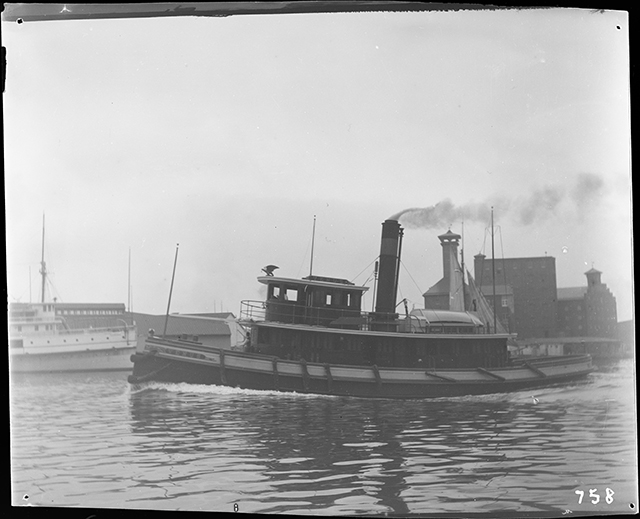 MS0094-758 Venture
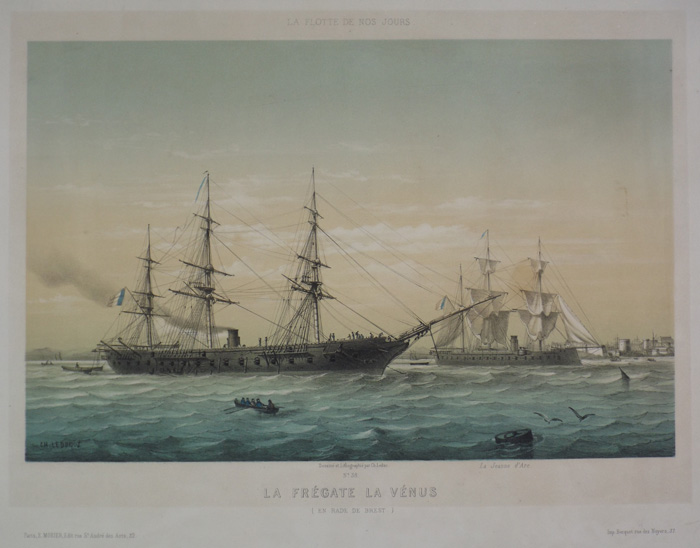 lp1424
 MSM 1 - 0038
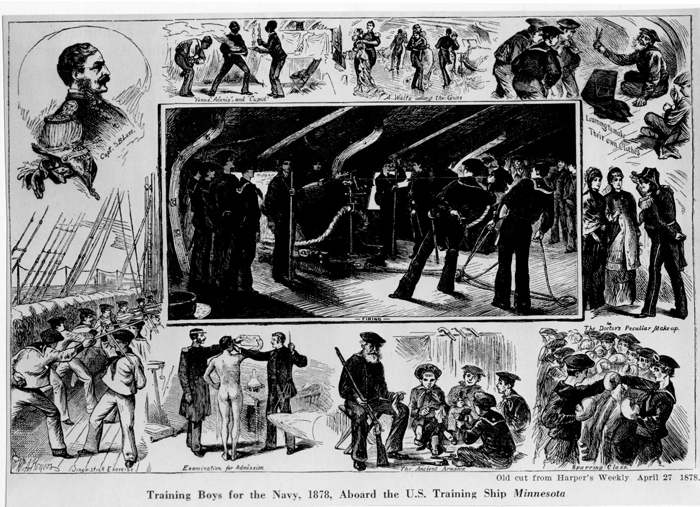 UPP825
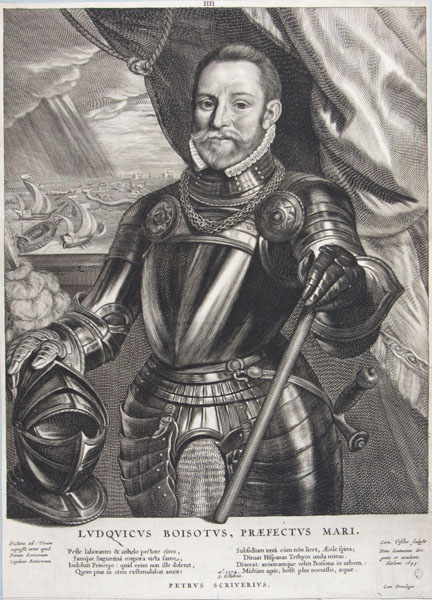 le709
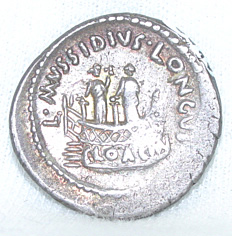 Full-size image
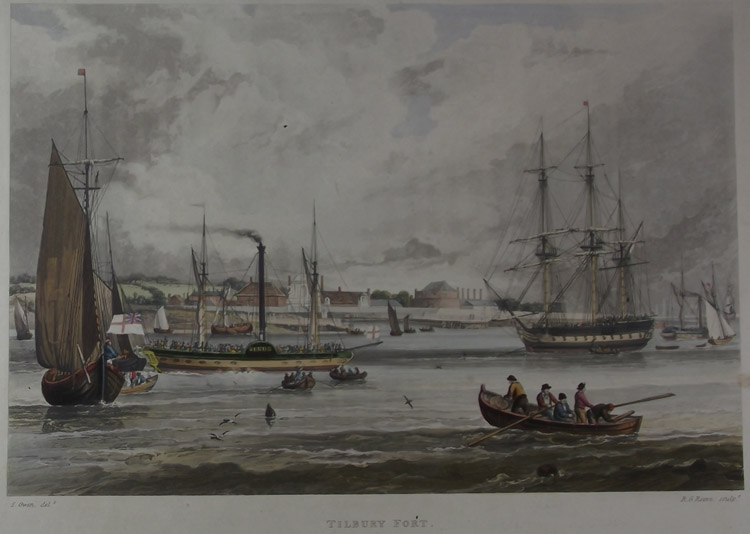 lp1048
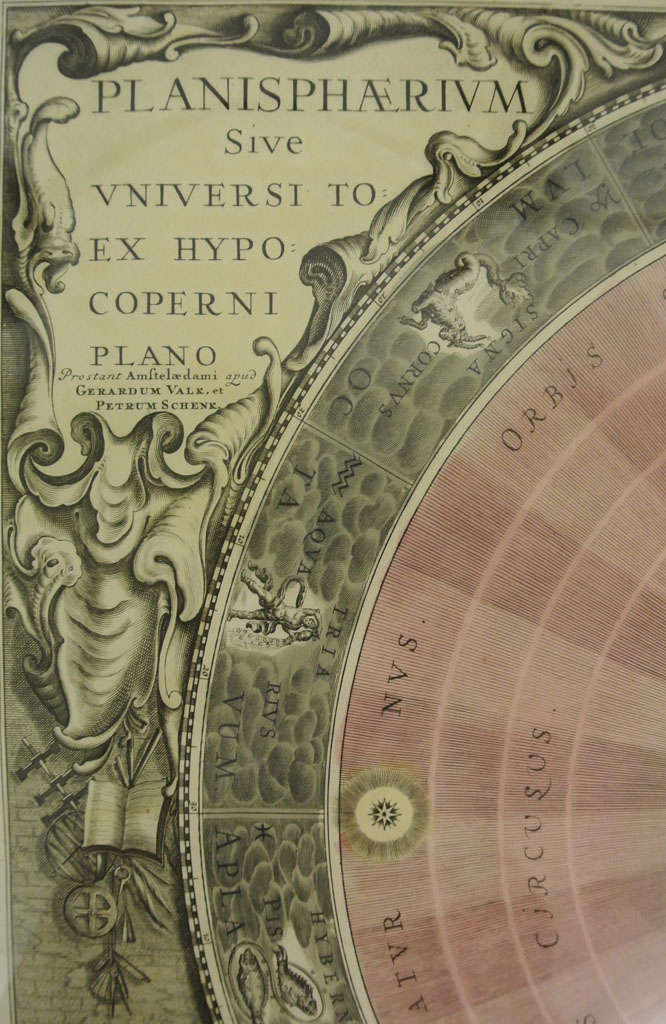 MSM1-0031 det1
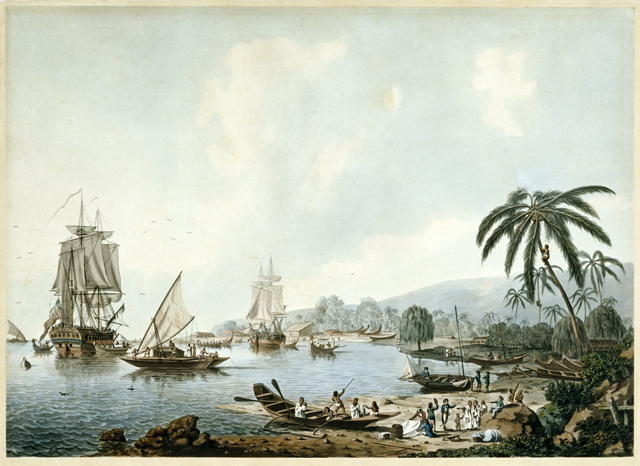 1934.0790.000001
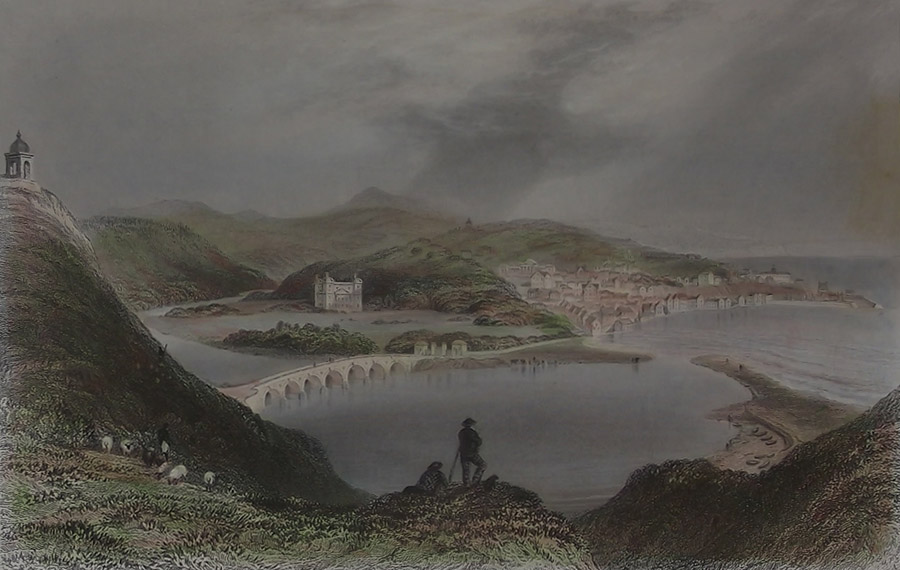 le1438
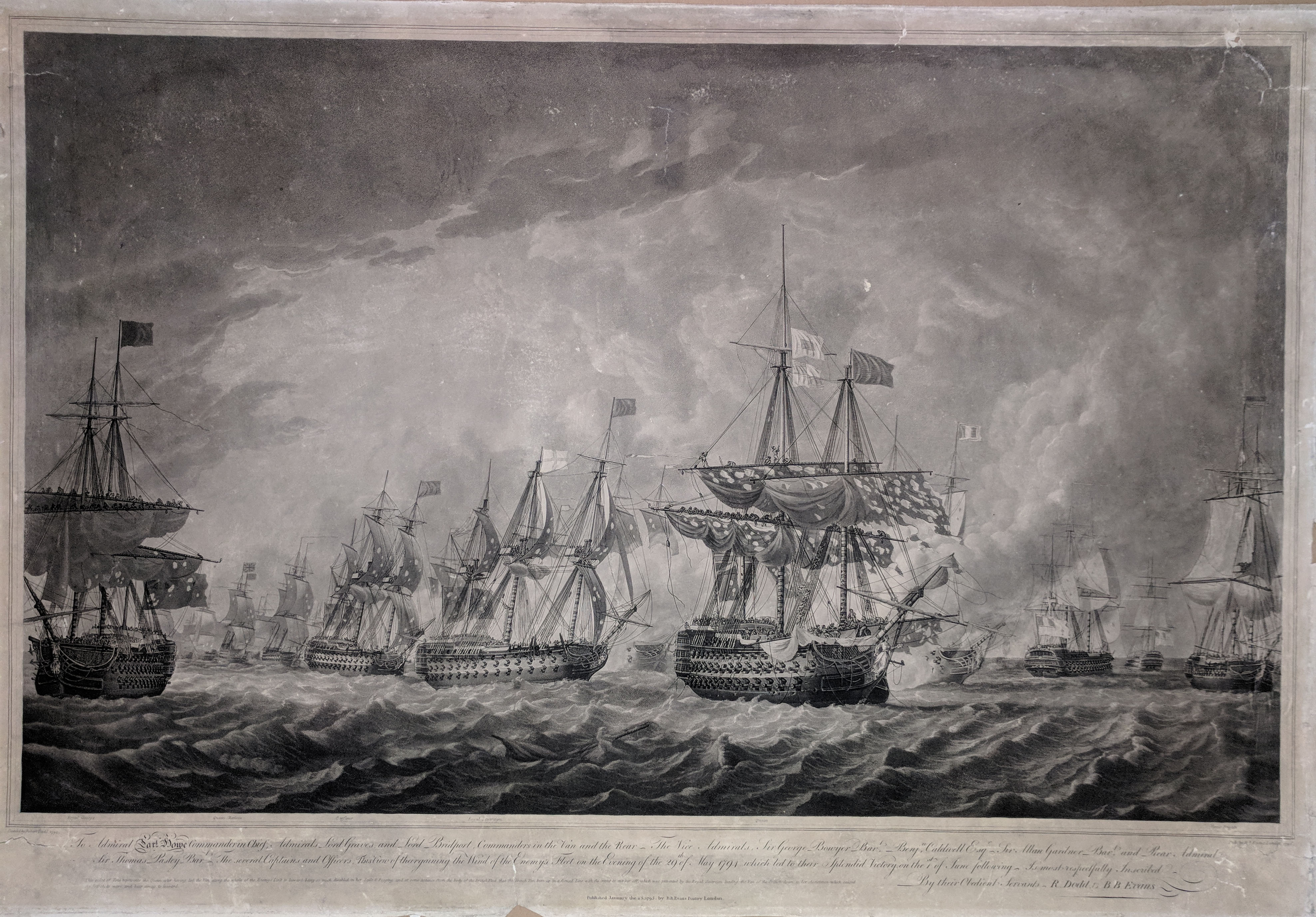 lp937
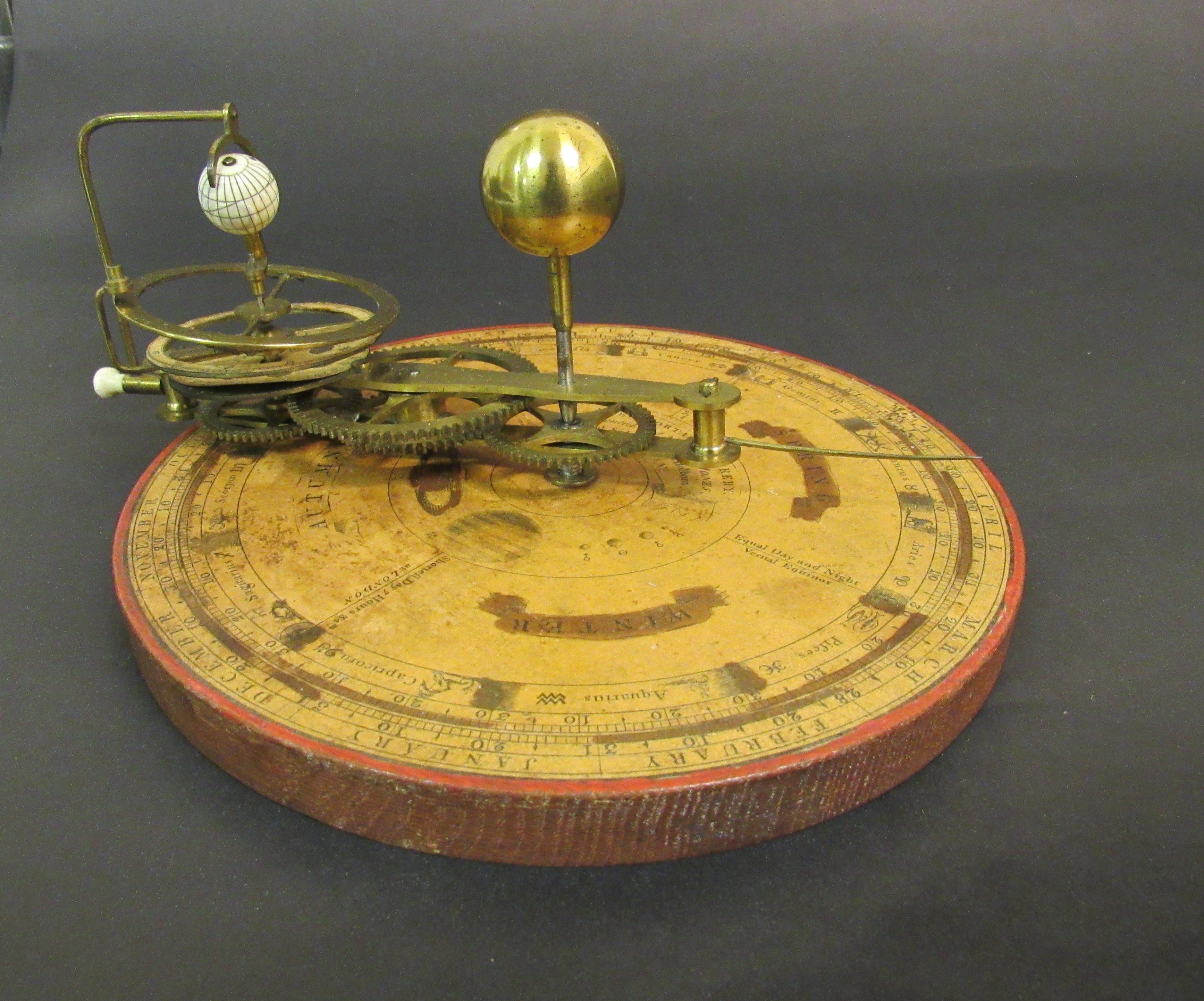 N4
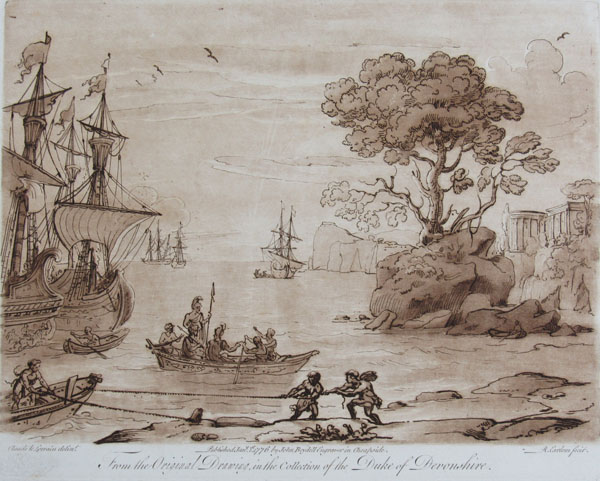 le428
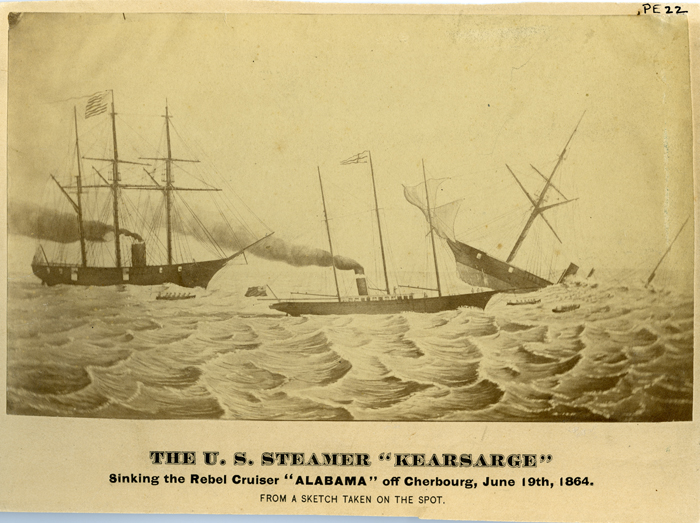 Full-size image
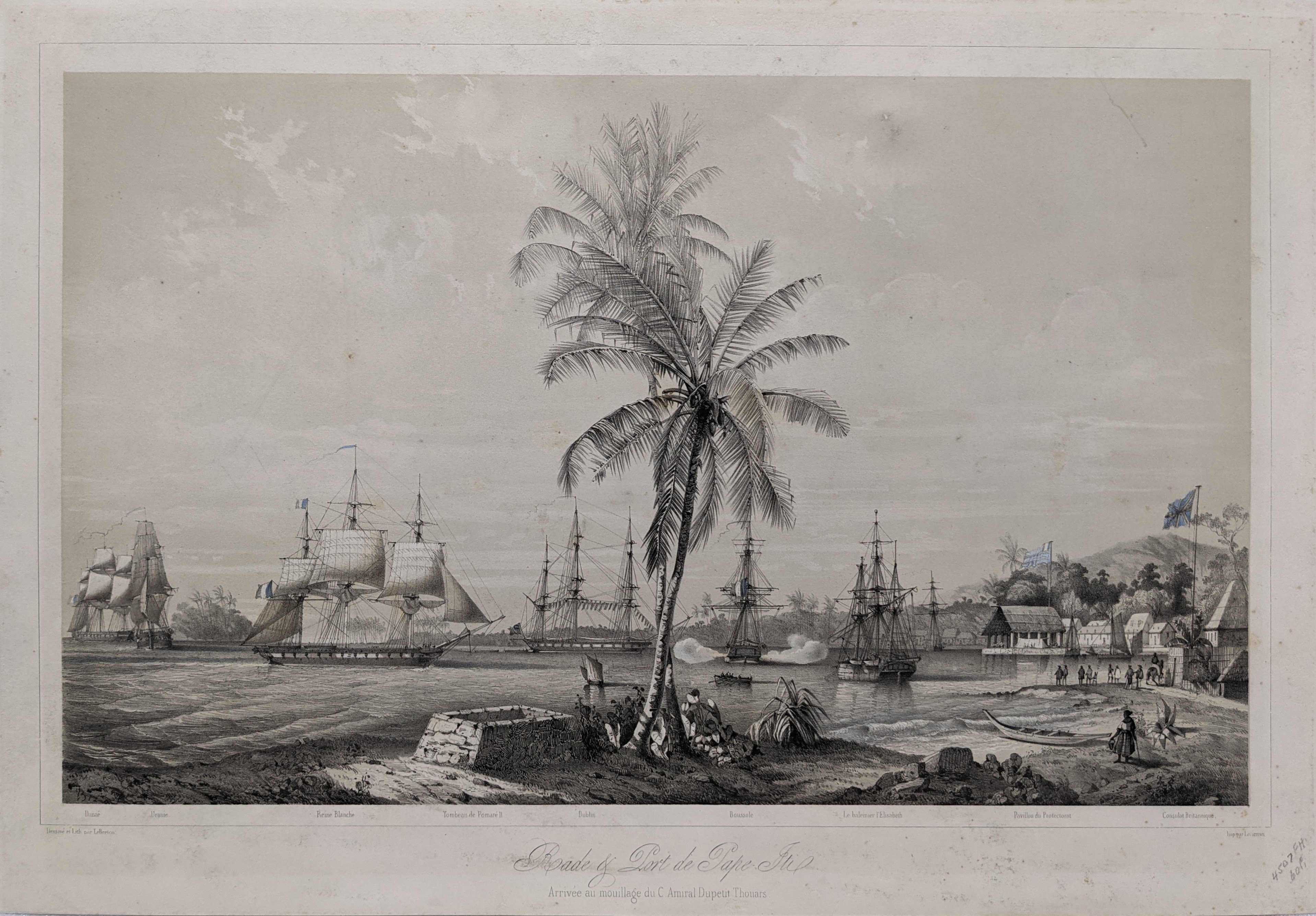 lp1433
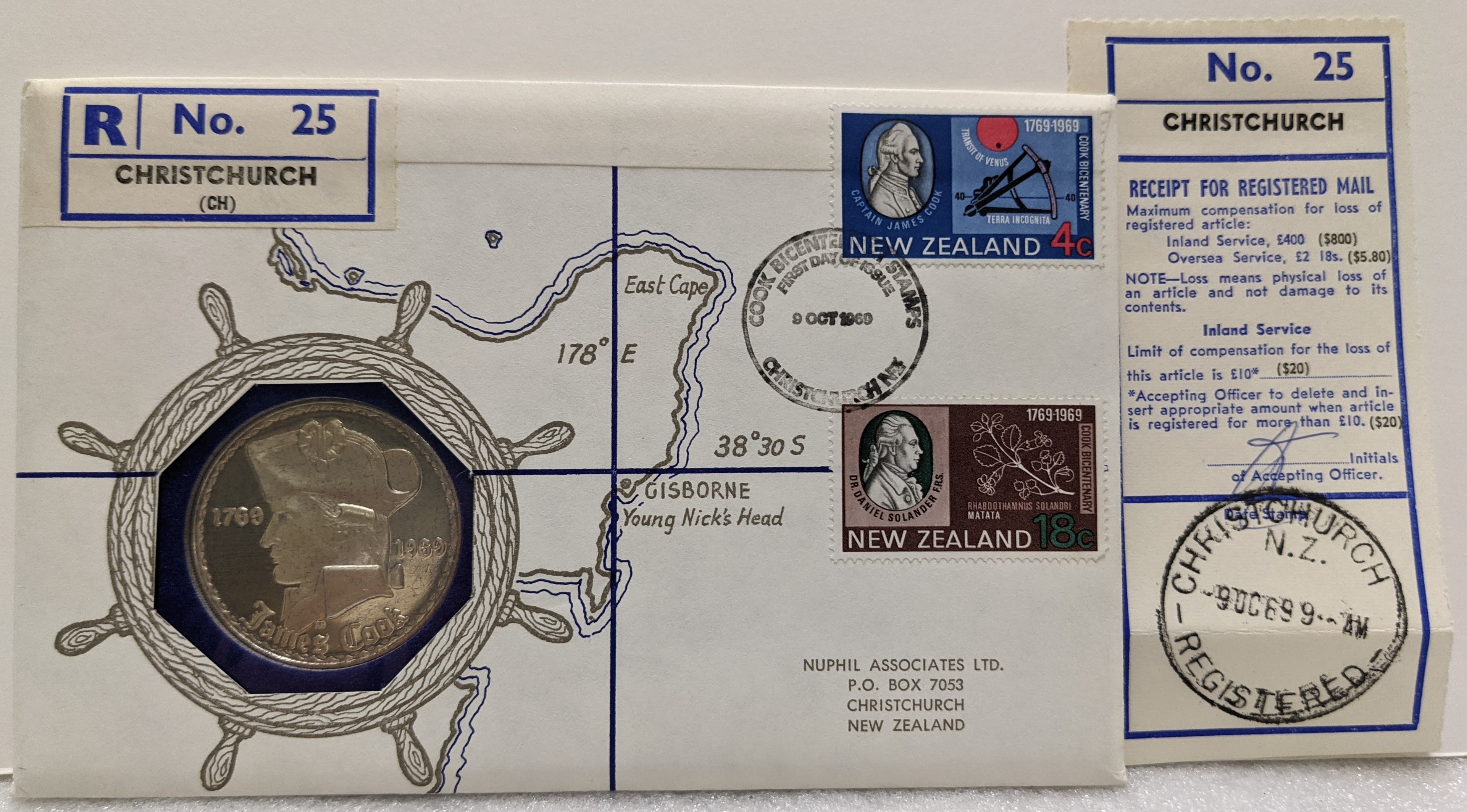 QK408.02_1
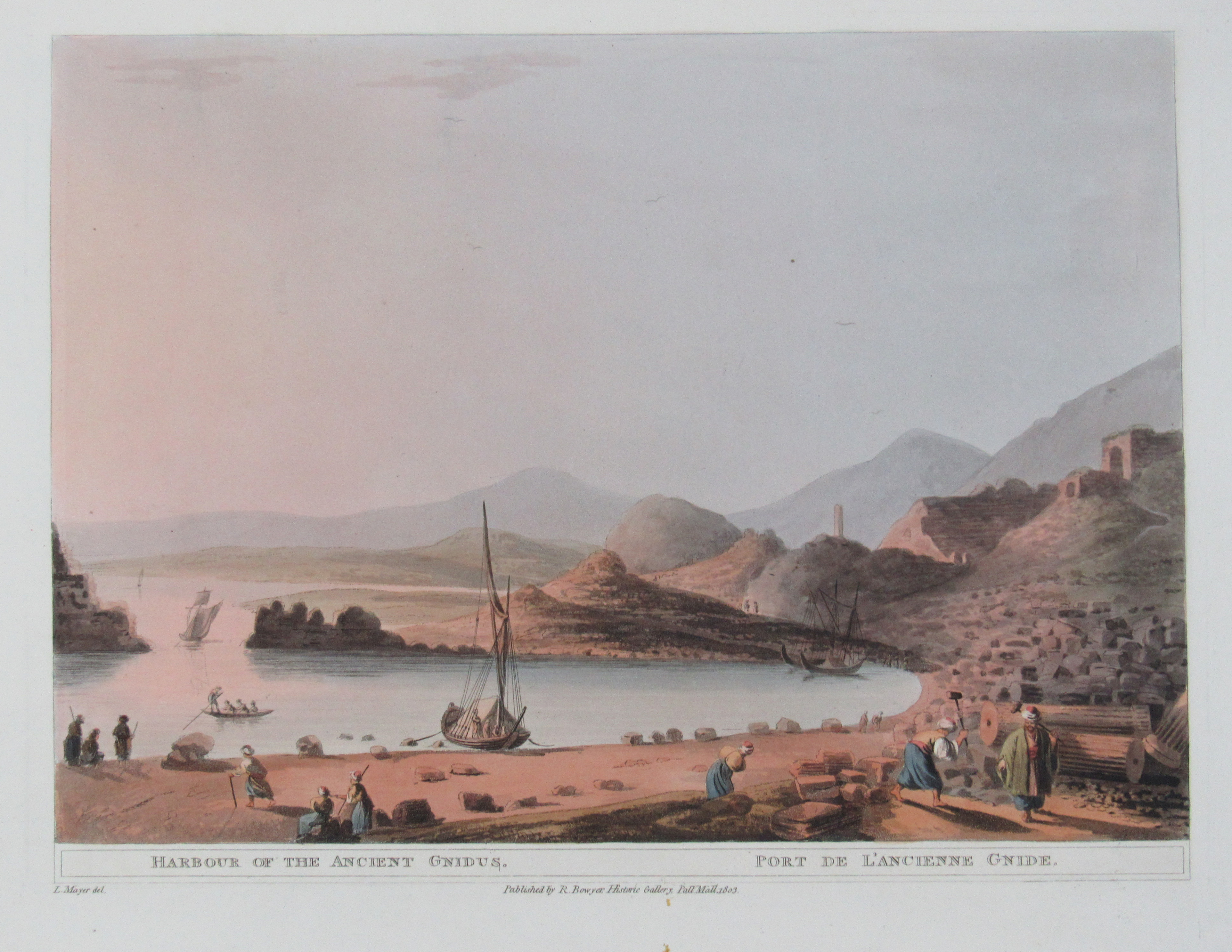 lp462
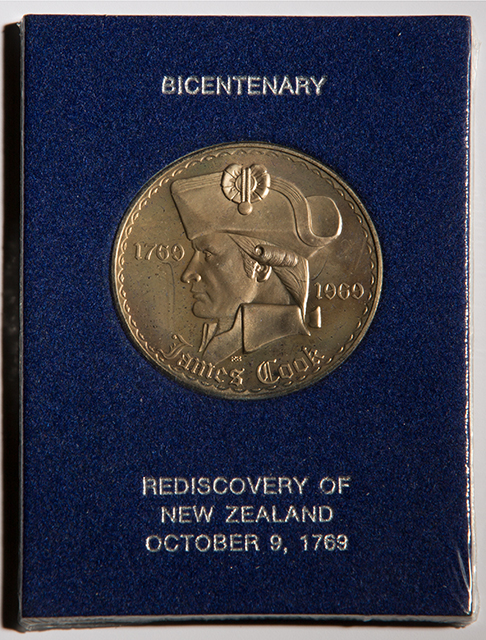 qk408a
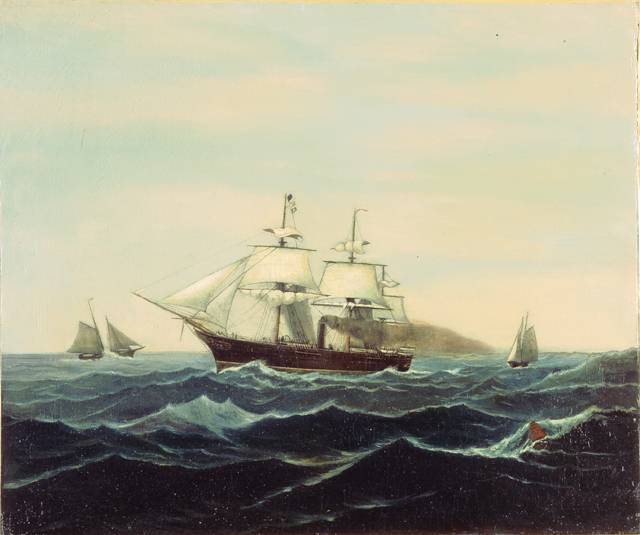 1949.0582.000001
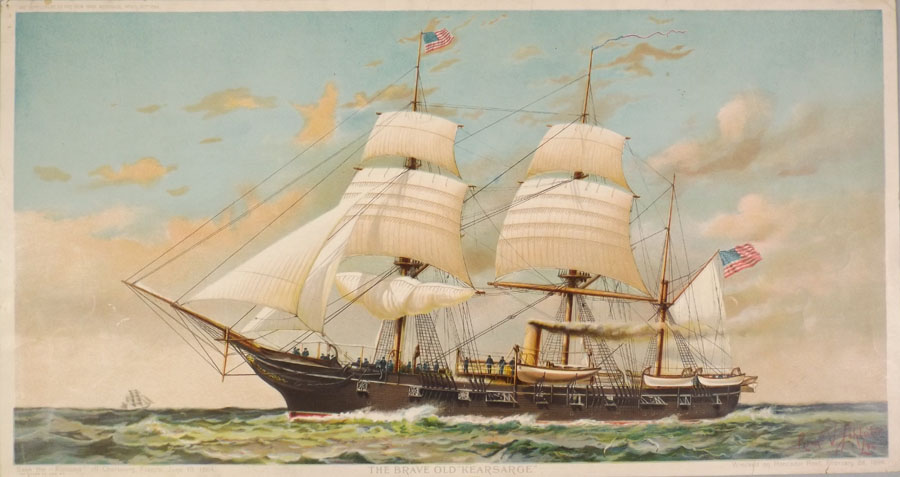 lp6499
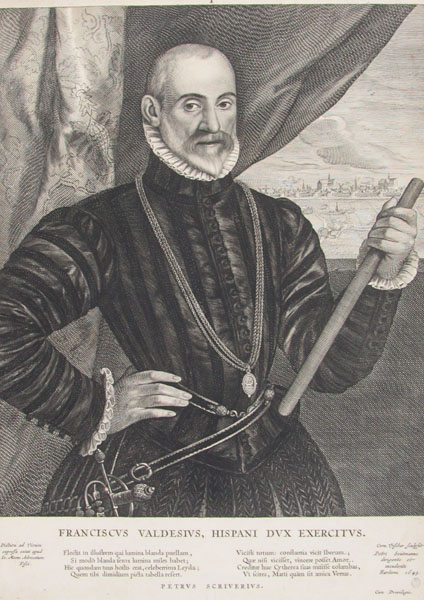 le711
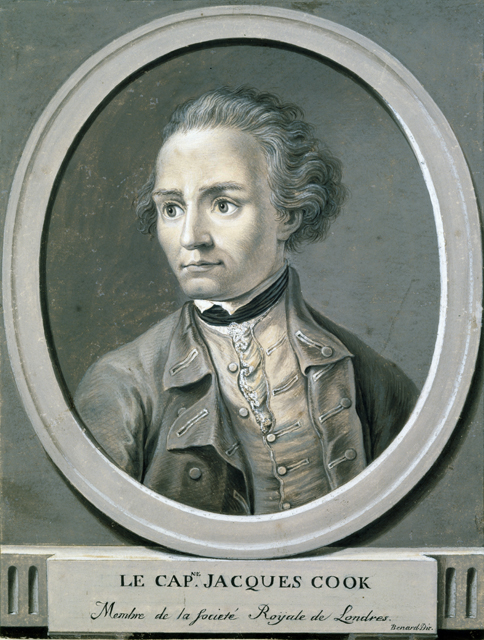 1951.0746.000001A
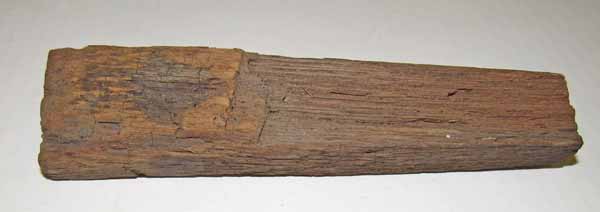 vf34
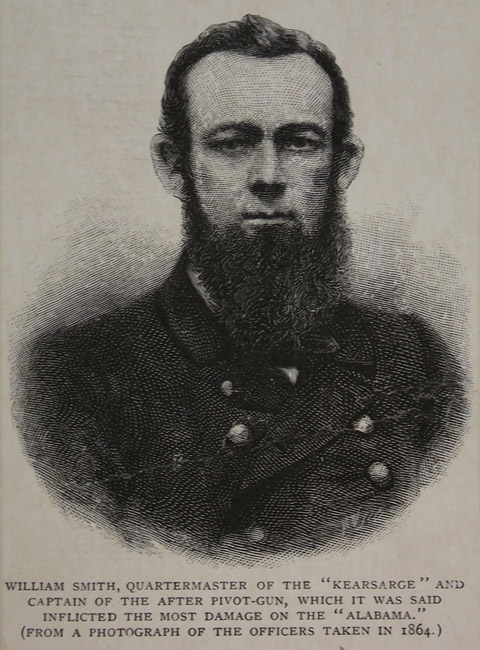 le3081
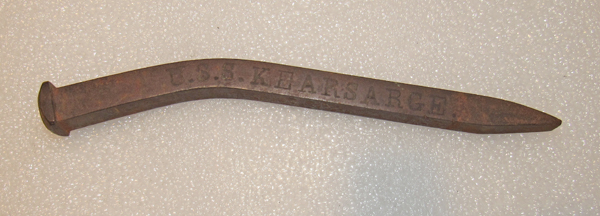 vr5a
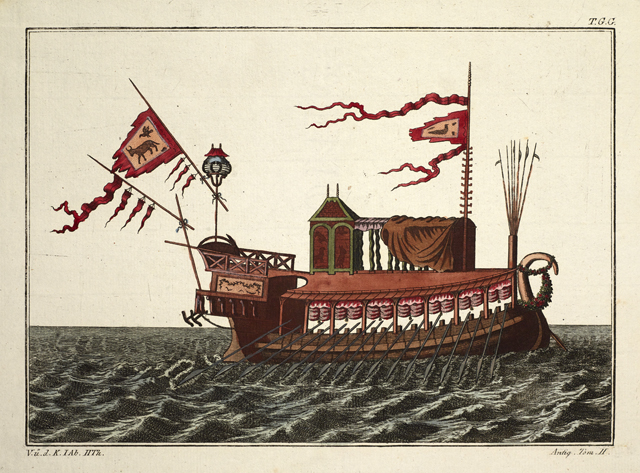 1937.0858.000001
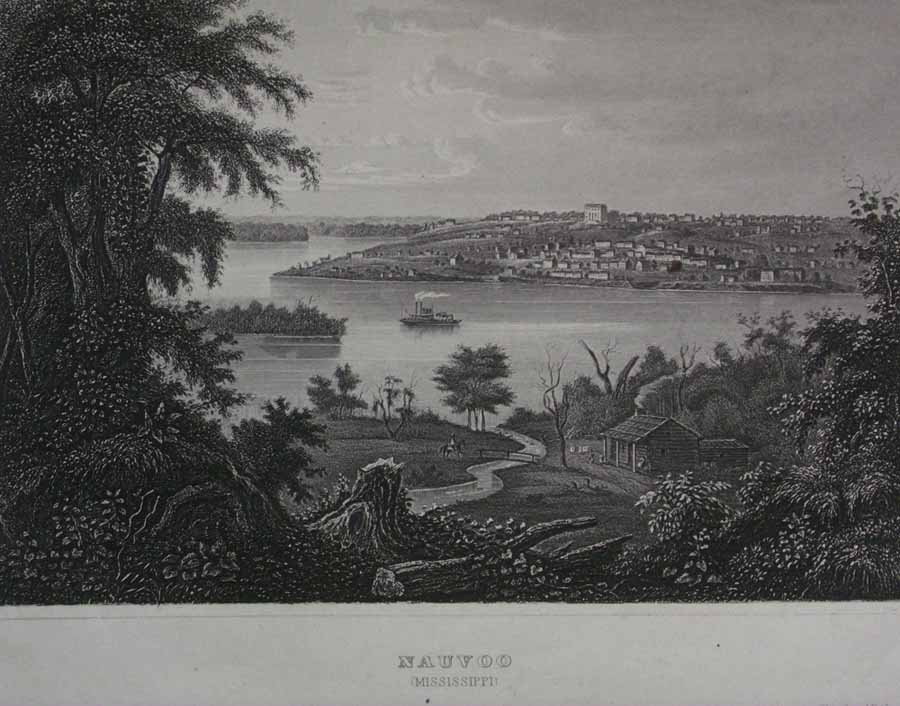 Full-size image
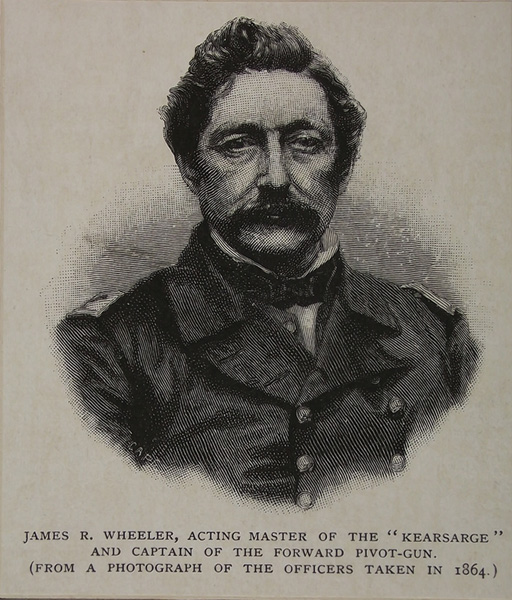 le3073
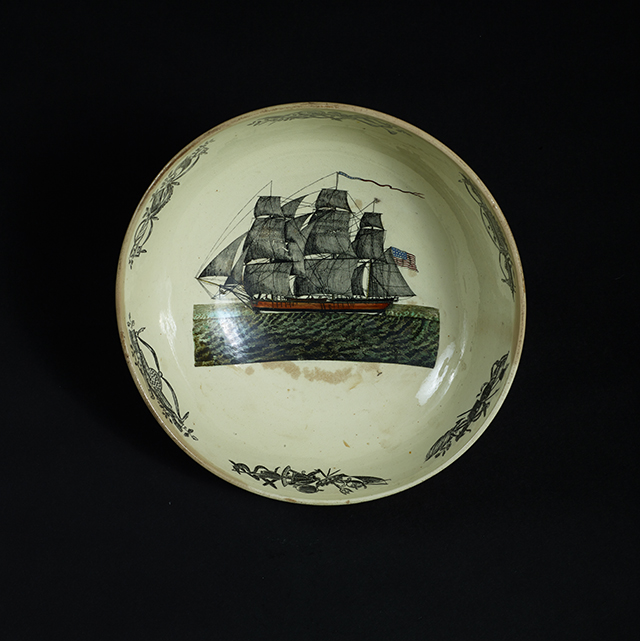 FN271-1
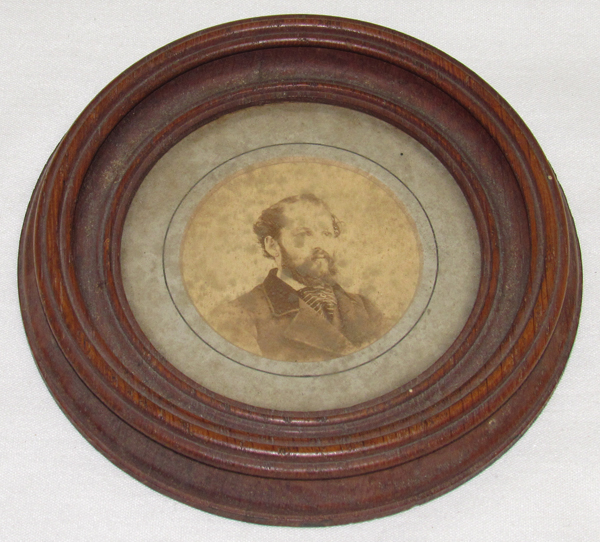 z44a
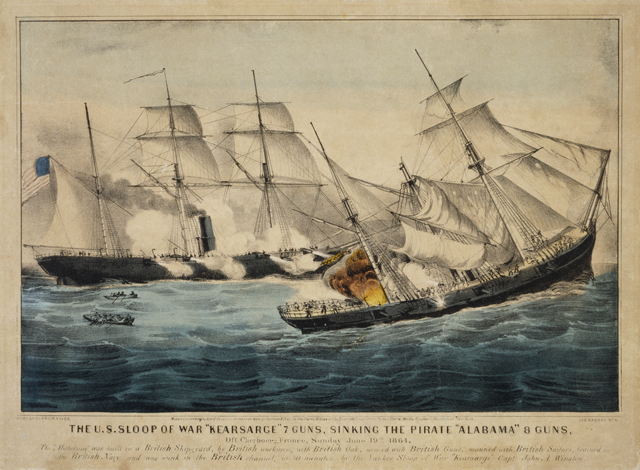 1933.0443.000001_1
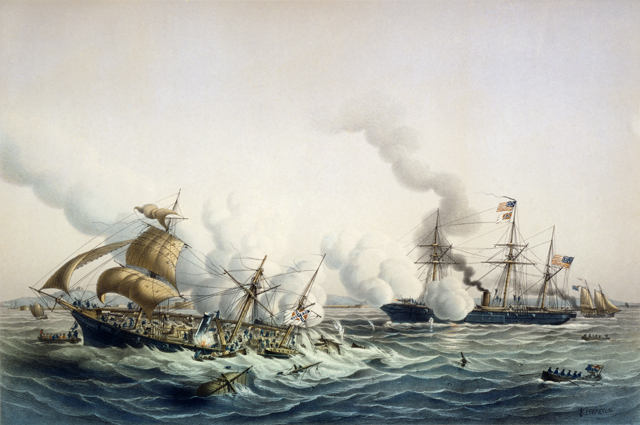 1948.0449.000001
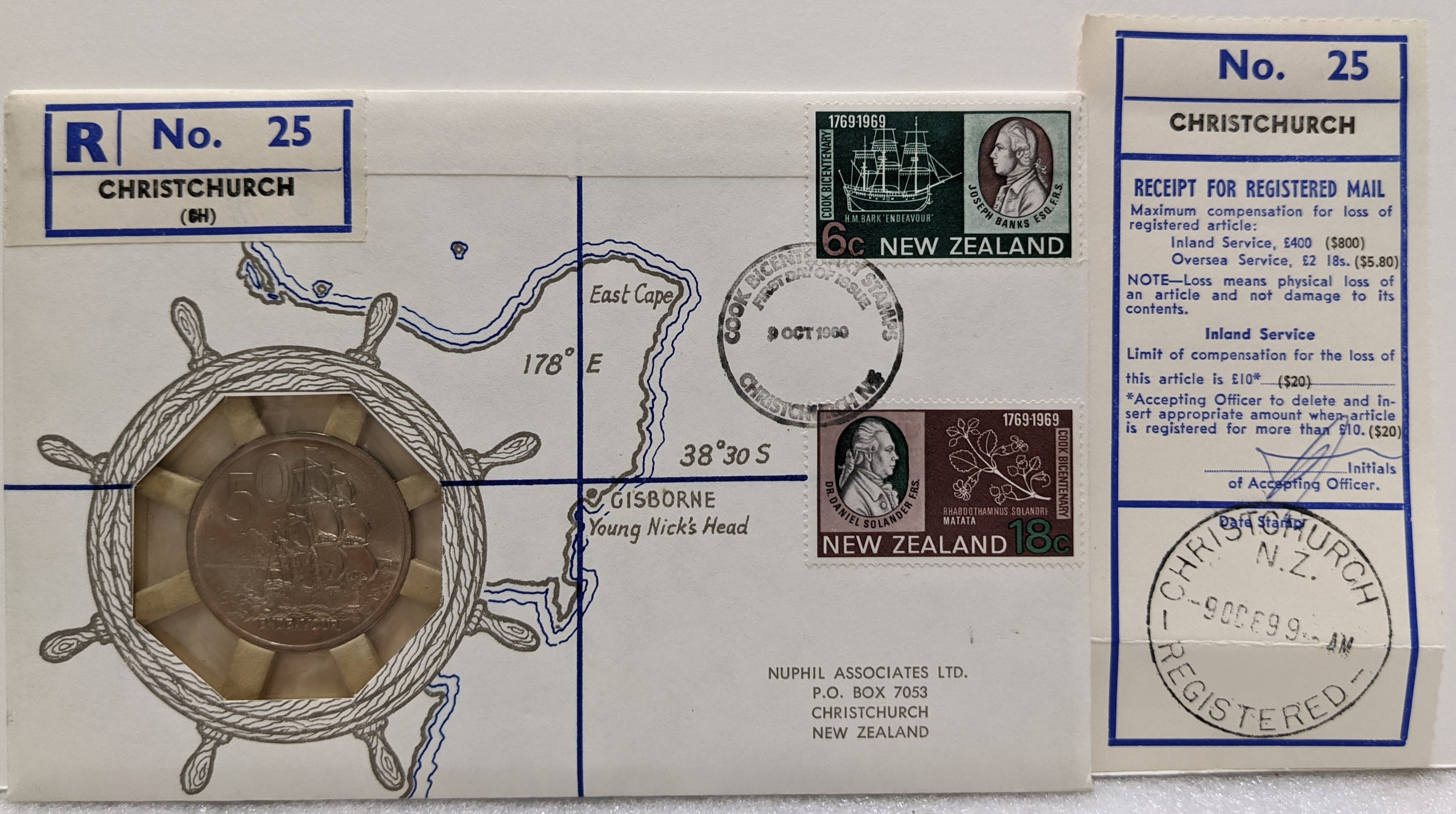 QK410_1
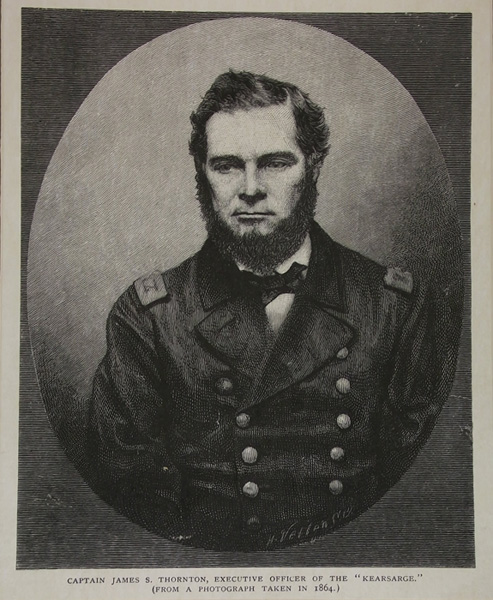 le3076
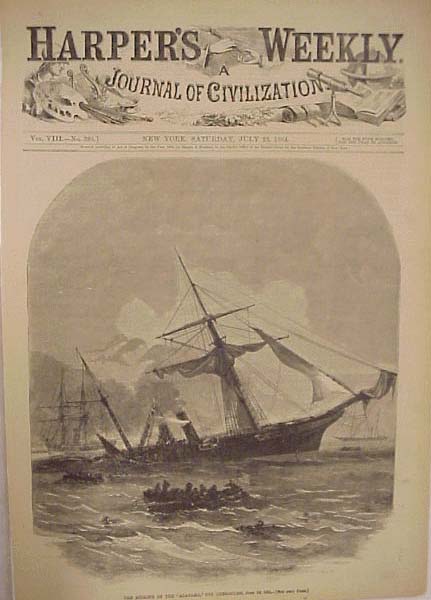 Full-size image
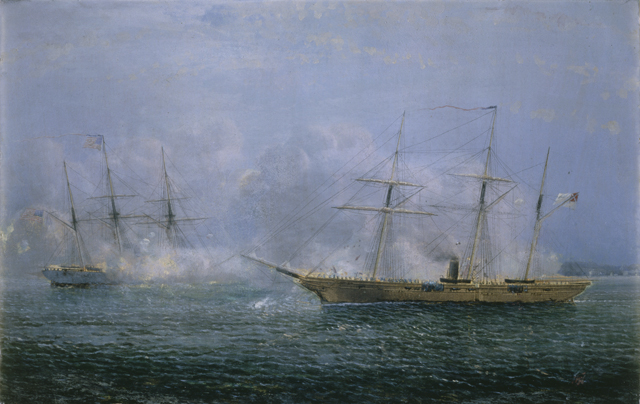 1946.0003.000001_1
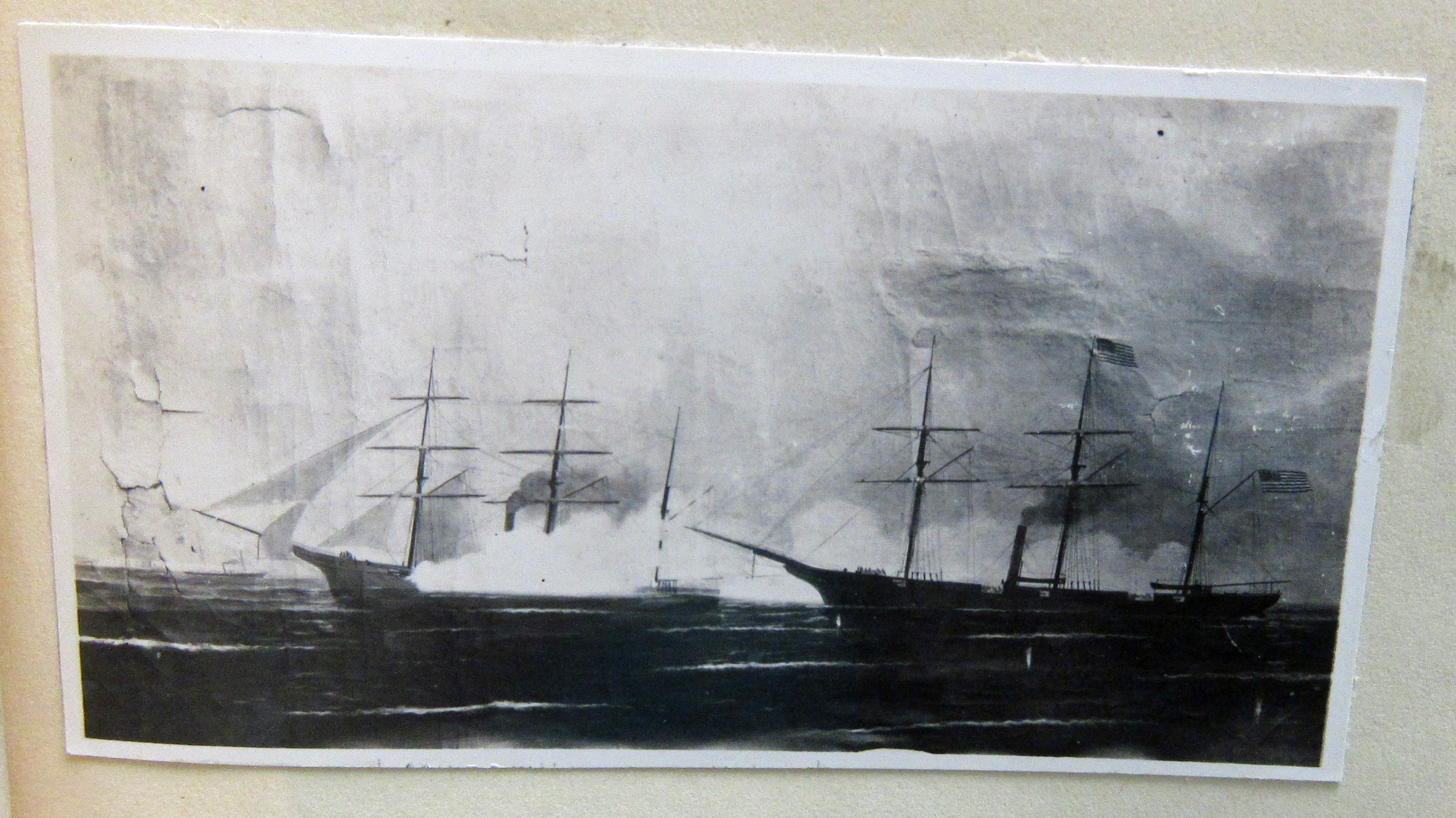 QO 226
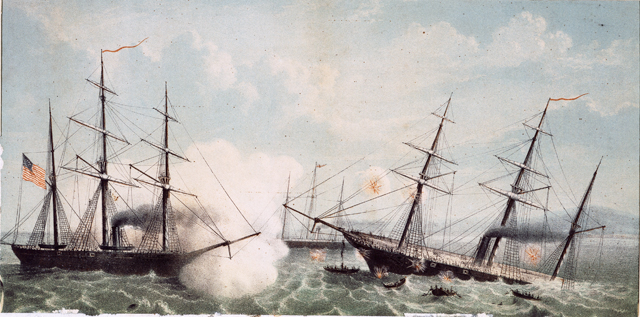 1946.0324.000001
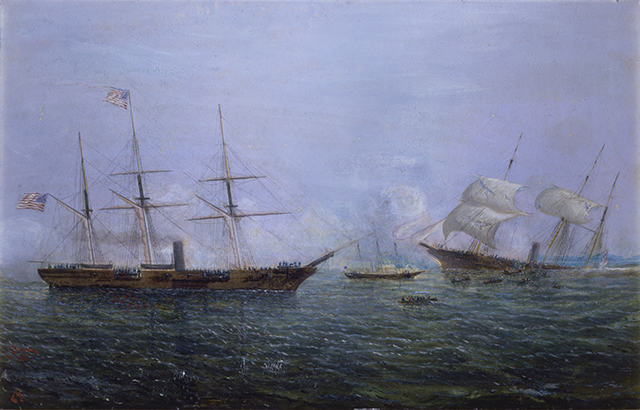 QO575
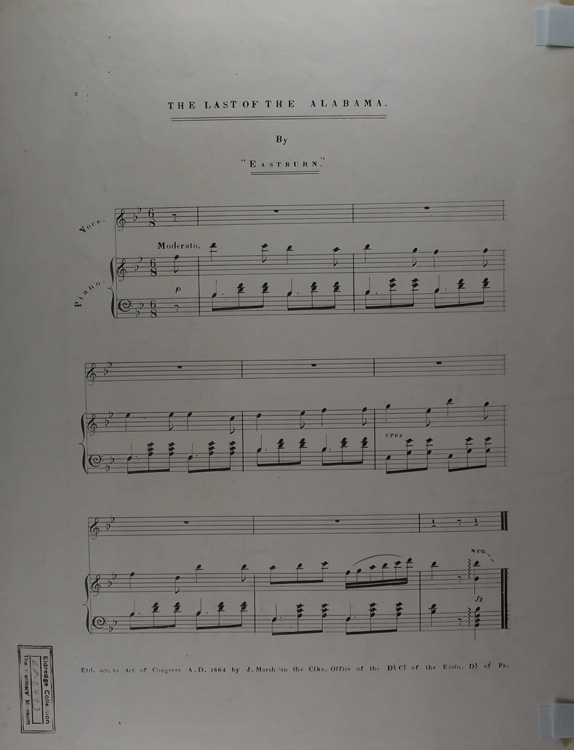 lp2493b
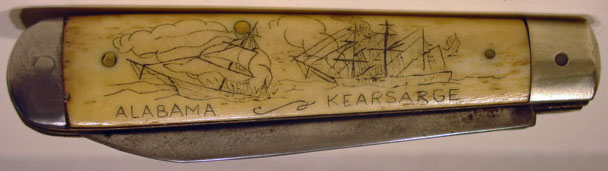 Full-size image
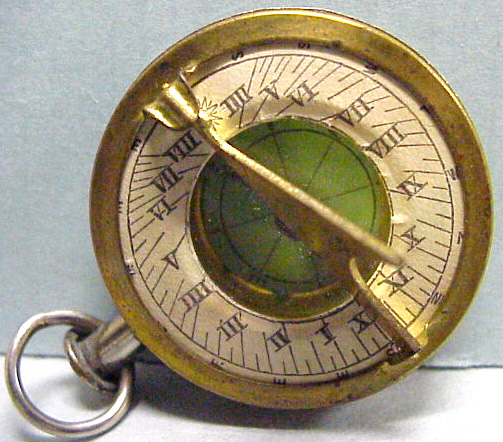 Full-size image
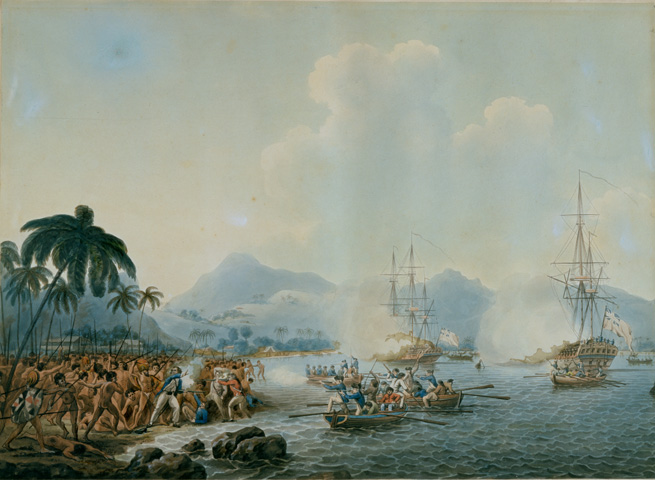 lp391
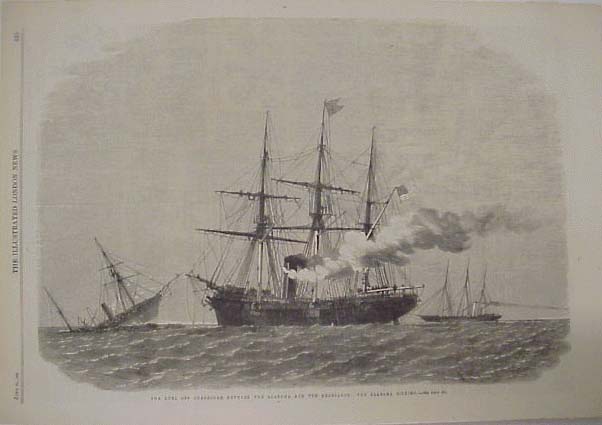 Full-size image
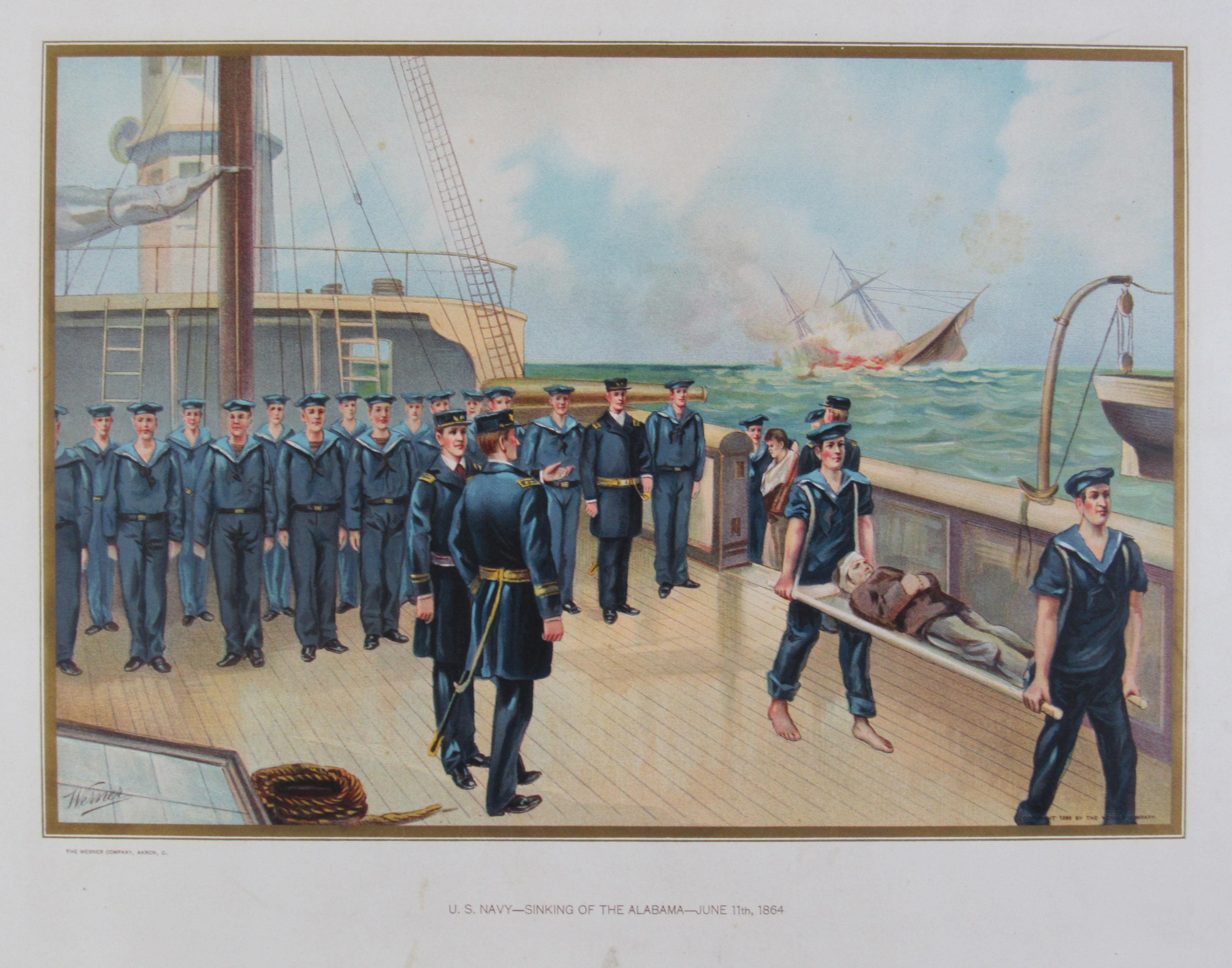 lp2141
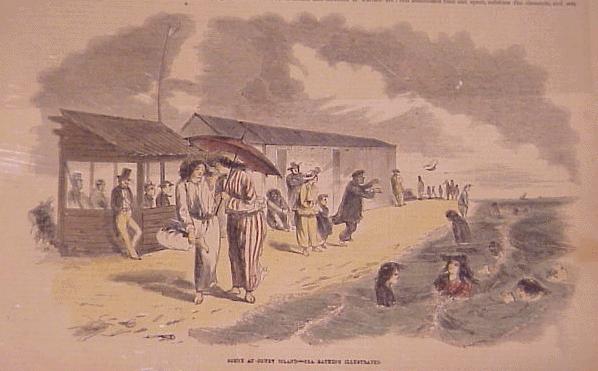 Full-size image
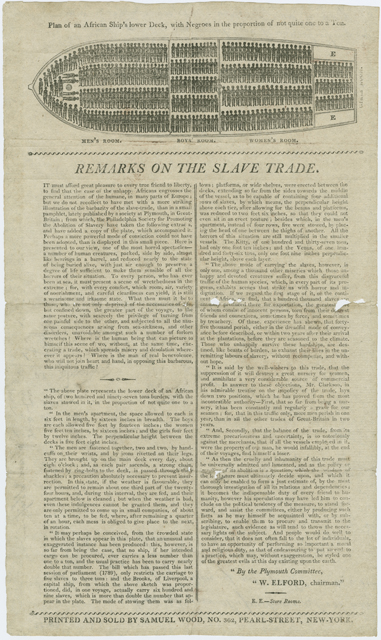 1984.0022.000001
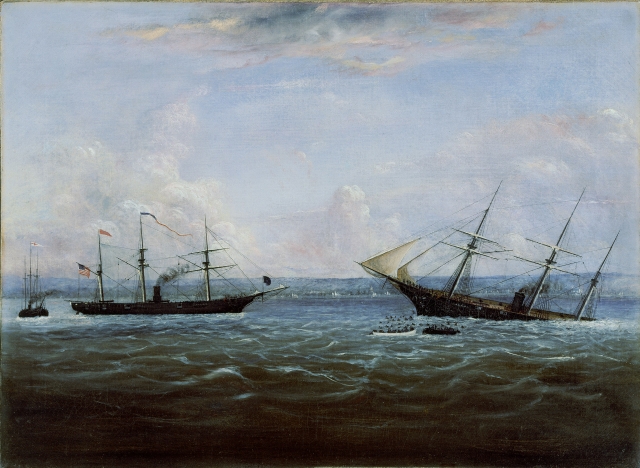 QO775-KearsargeAndAlabama[1]
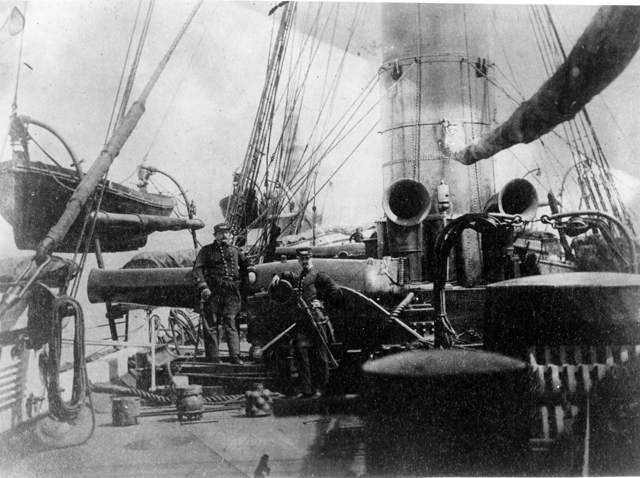 Full-size image
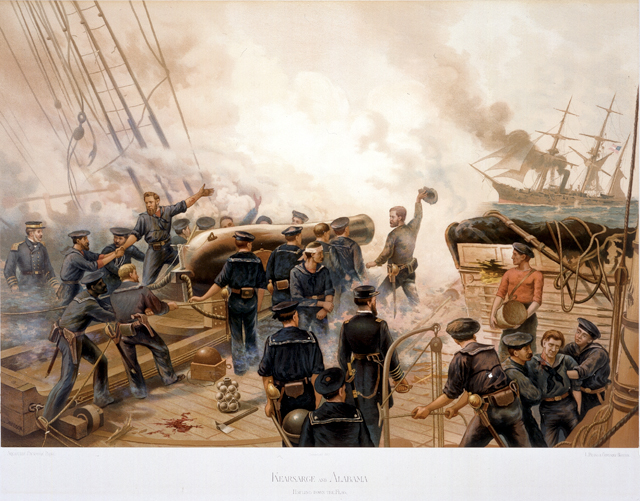 1945.0425.000001
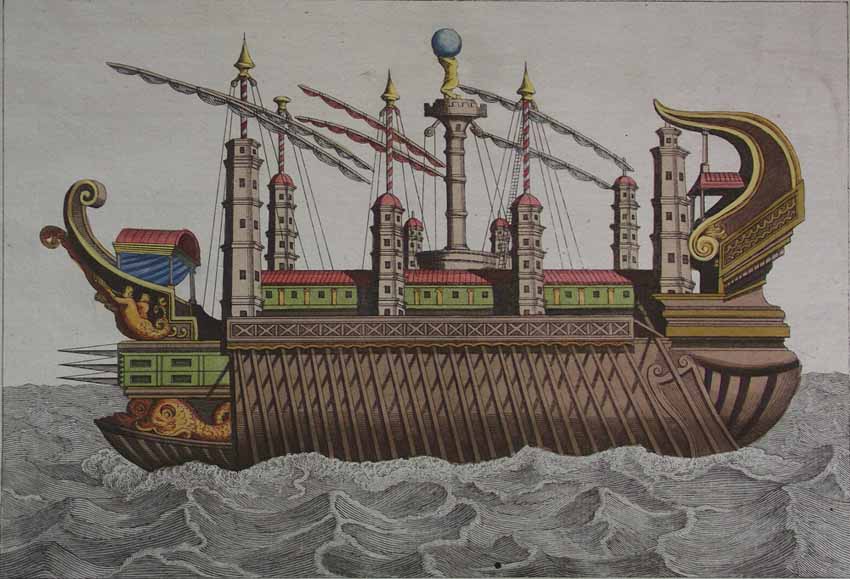 Full-size image
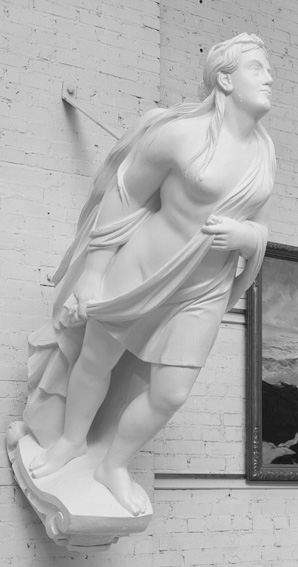 Full-size image